Kenya has successfully raised Sh290.6 billion through two new Eurobond issuances in international capital markets, marking one of the largest sovereign debt raises by the country in recent years.
The National Treasury announced the completion of the transactions on February 20, 2026. The funds were mobilised through a dual-tranche offering comprising a 7-year bond and a 12-year bond, attracting strong demand from global institutional investors, pension funds, asset managers and hedge funds across Europe, the United States, Asia and the Middle East.
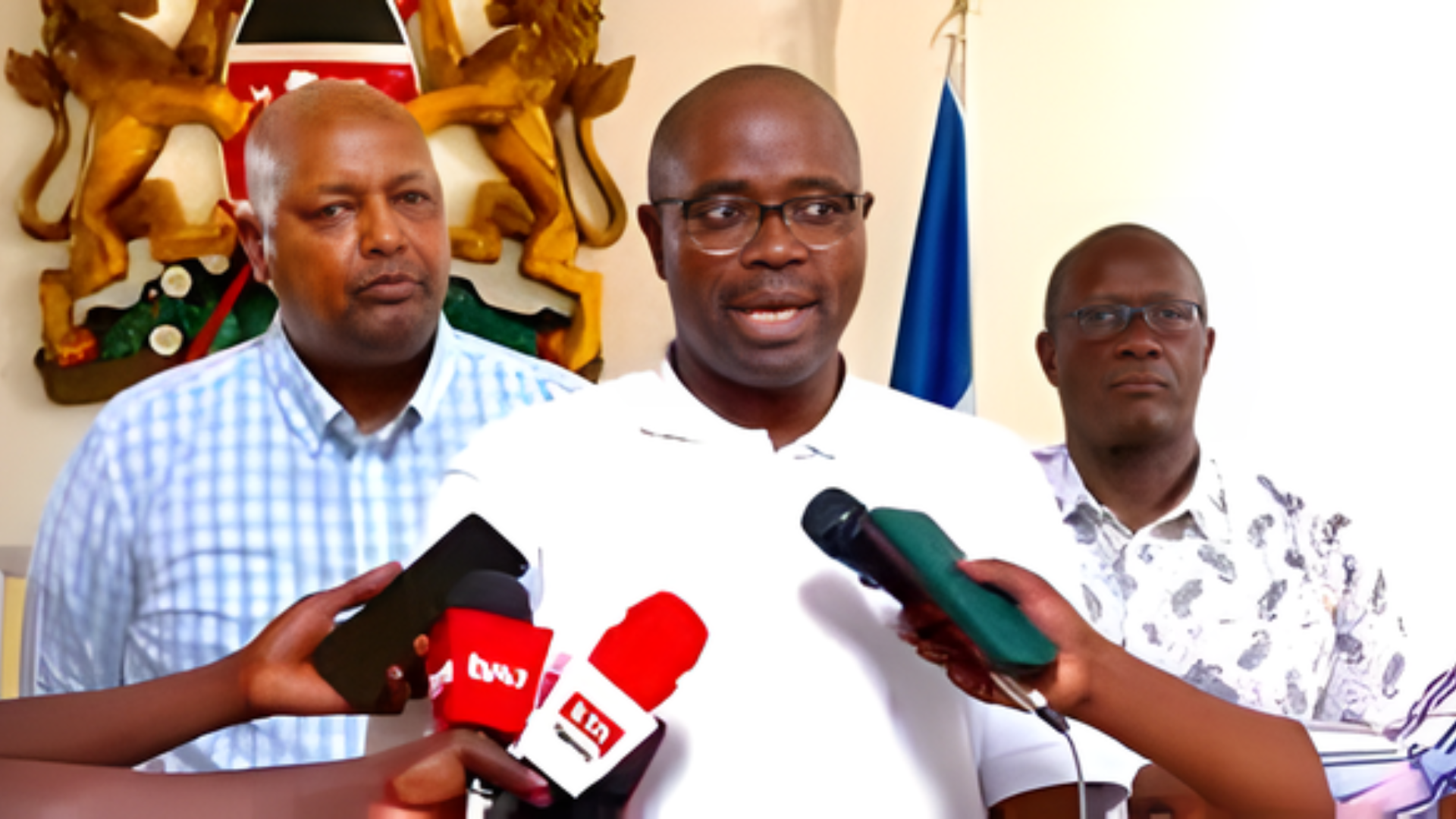
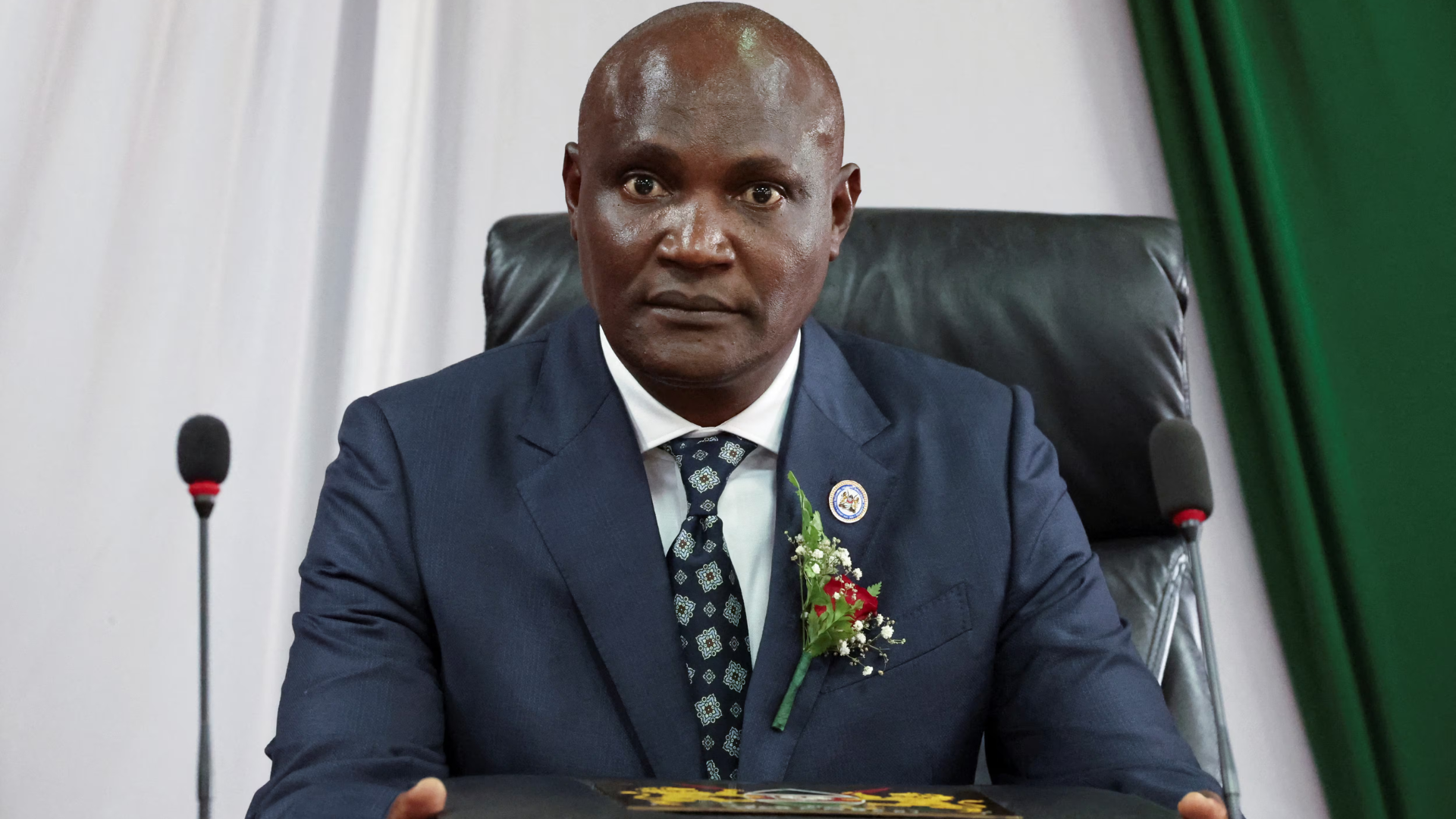
Treasury Cabinet Secretary John Mbadi confirmed the final allocation during a press briefing in Nairobi. “We have closed the books on two successful Eurobond issuances that collectively raised Sh290.6 billion,” Mbadi said. “Of this amount, Sh226 billion will provide critical budgetary support for priority sectors including health, education, infrastructure and social protection programmes. The remaining Sh64 billion will be used to retire maturing debt obligations, thereby easing pressure on domestic borrowing and improving our overall debt profile.”
The issuances were oversubscribed, reflecting renewed investor confidence in Kenya’s economic reform agenda, fiscal consolidation measures and improved macroeconomic indicators. The 7-year tranche carried a coupon rate of 8.875 percent while the 12-year tranche was priced at 9.75 percent, both at the lower end of initial guidance due to robust demand.
Mbadi highlighted that the funds will help bridge the fiscal deficit while reducing reliance on expensive short-term domestic debt. “This Eurobond raise allows us to lock in long-term financing at reasonable rates,” he explained. “By retiring maturing commercial debt, we are extending the average maturity of our portfolio and lowering rollover risks. The budgetary support component will accelerate implementation of key Bottom-Up Economic Transformation Agenda pillars without compromising fiscal prudence.”
The move comes amid efforts to stabilise public finances after several years of elevated borrowing, high debt service costs and external shocks including drought, commodity price volatility and global interest rate hikes. The Treasury has been implementing revenue-enhancing measures, expenditure rationalisation and structural reforms to improve debt sustainability.
Central Bank of Kenya Governor Kamau Thugge welcomed the transaction as a positive signal to markets. “The successful issuance demonstrates that investors continue to have faith in Kenya’s economic trajectory,” Thugge said. “It also provides breathing room to manage domestic liquidity and interest rates more effectively while supporting growth.”
The funds are expected to finance ongoing development projects, including the Affordable Housing Programme, Universal Health Coverage expansion, education infrastructure, agricultural value chains and climate resilience initiatives. Part of the budgetary allocation will also support social safety nets amid rising living costs.
Opposition leaders criticised the continued reliance on external commercial borrowing. Wiper Party leader Kalonzo Musyoka said: “While we acknowledge the need for financing, we must question why Kenya keeps returning to expensive Eurobonds instead of prioritising domestic resource mobilisation and concessional loans. Future generations will bear the cost of these high-interest debts.”
Treasury officials countered that the Eurobond proceeds are cheaper than domestic market rates and have longer maturities, helping to smooth debt service payments. “This is strategic liability management,” Mbadi reiterated. “We are refinancing shorter, costlier debt with longer-term obligations at competitive rates.”
The issuances were led by international banks including JPMorgan, Citigroup, Standard Chartered and Absa Capital as joint bookrunners. The bonds were issued under Kenya’s Global Medium-Term Note Programme and are listed on the London Stock Exchange and Nairobi Securities Exchange.
Credit rating agencies have maintained stable outlooks on Kenya’s sovereign ratings, citing the Eurobond as evidence of market access and proactive debt management. Moody’s, S&P and Fitch have all noted the transaction positively in recent updates.
The funds are expected to begin flowing into government accounts in the coming days, with first disbursements prioritised for budgetary support programmes already underway.