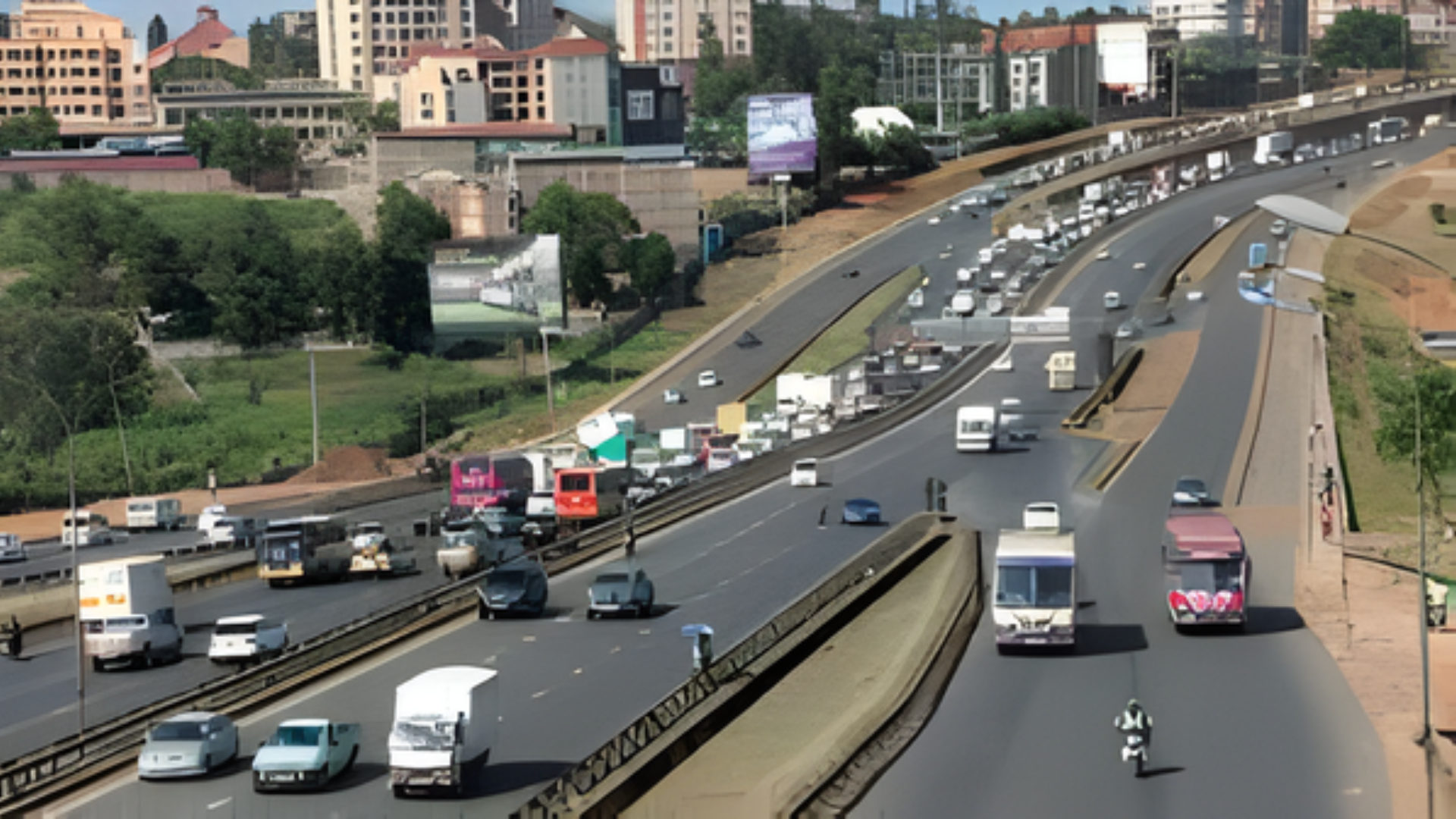
The Kenya National Highways Authority has issued a strict 7-day notice to traders and business owners encroaching on Thika Superhighway reserves, requiring them to remove all structures, merchandise and equipment from the affected areas.
The directive, communicated through public notices and direct engagements with affected parties, targets sections in Kihunguro, Allsops and Delview on both carriageways of the busy Nairobi–Thika dual carriageway. It follows large-scale demolitions carried out days earlier in the neighbouring Githurai area along the same corridor, where roadside kiosks, car washes, vulcanisers and informal parking lots were cleared to restore the full road reserve width.
KeNHA Regional Manager for Nairobi Metropolitan, Eng. Peter Maina, said the move is necessary to create space for planned designated roadside service stations that will improve highway safety, reduce congestion caused by haphazard parking and provide organised facilities for motorists. “The reserves along Thika Superhighway are meant for road safety, drainage, utilities and future expansion,” Maina said. “Encroachment has led to frequent accidents, blocked drainage causing flooding, and chaotic traffic flow. We are giving a final 7-day window for voluntary removal. After that, enforcement action will be unavoidable.”
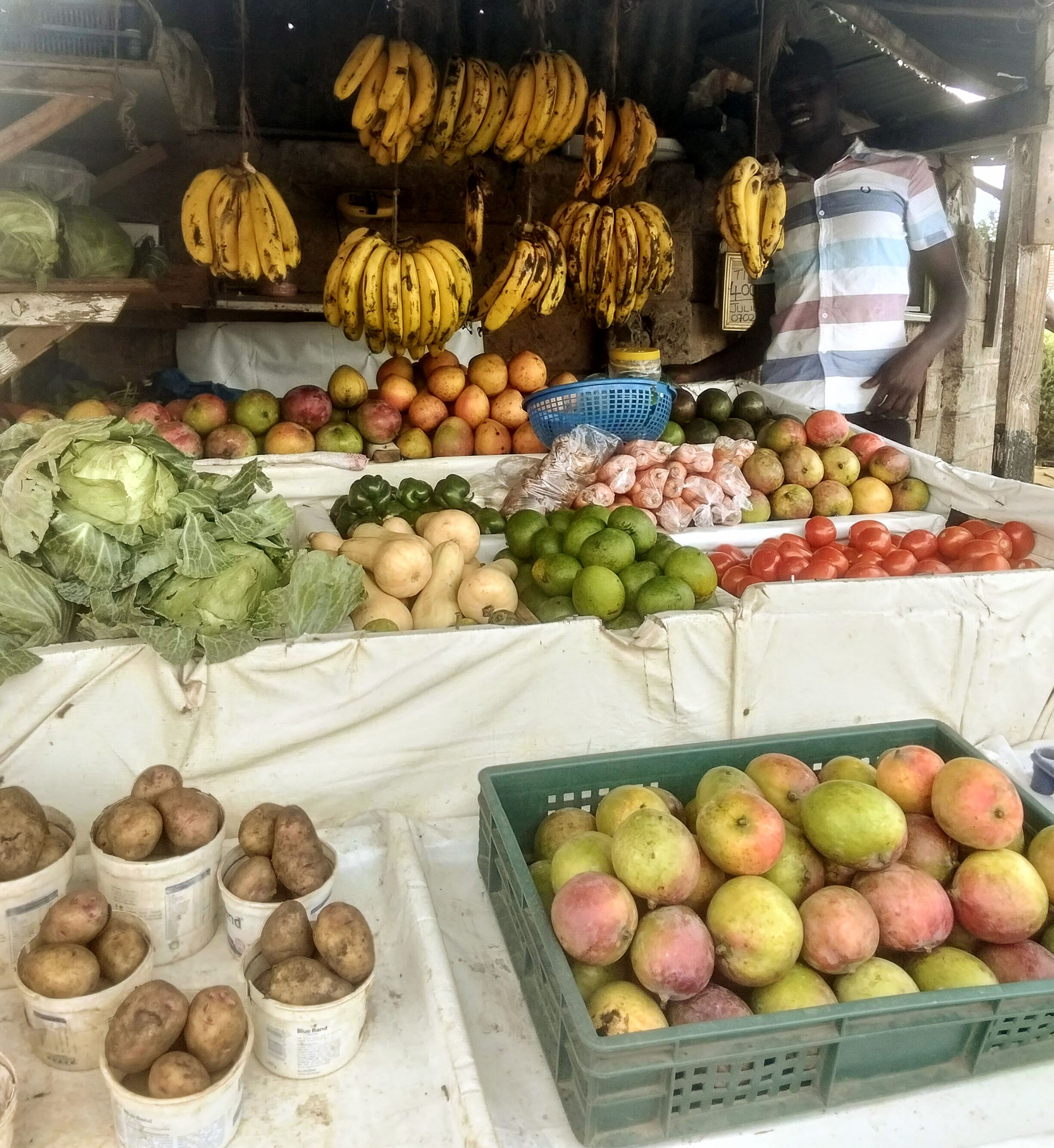
Traders in the named sections have expressed panic and frustration over the short notice period. Many have invested significant capital in concrete structures, water and electricity connections, and stock that cannot be relocated overnight. A car wash owner in Allsops said: “We were not given any prior warning. They came with bulldozers in Githurai and now they are threatening the same here. Where do we go? This business is all I have to feed my family.”
KeNHA officials have insisted the exercise is not new. The authority has been issuing periodic notices and conducting awareness campaigns since 2023, warning that the reserves must be cleared to meet road safety standards set by the Kenya Roads Act and international best practices. “We have held several stakeholder meetings with traders’ associations and local leaders,” Maina explained. “We explained the dangers of roadside trading—pedestrian accidents, vehicle breakdowns blocking lanes, oil spills polluting drainage—and the benefits of designated stations with proper parking, toilets, fuel and food outlets.”
The planned roadside service stations will be constructed under a public-private partnership model, with private investors building and operating modern facilities while KeNHA retains ownership of the land. The stations are expected to include fuel pumps, restaurants, rest areas, vehicle repair bays and security lighting, reducing the need for drivers to stop on the highway shoulder.
The Githurai demolitions, carried out in mid-February 2026, cleared over 300 metres of reserve on both sides of the highway. Traders whose structures were demolished said they received no compensation, though KeNHA promised alternative sites in designated areas. “They told us to apply for space in the new stations once they are built,” one former Githurai trader said. “But how do we survive until then? Many of us lost everything.”
Critics have accused KeNHA of heavy-handedness and inadequate resettlement planning. Kenya Human Rights Commission Executive Director Davji Atellah said: “While road safety is important, evictions must follow due process, provide reasonable notice and offer viable alternatives. Abrupt demolitions without compensation create more poverty and resentment.”
KeNHA has countered that the authority has a legal mandate to protect road reserves and that prolonged encroachment has already caused millions in accident-related losses and infrastructure damage. “We are not targeting individuals; we are protecting a national asset,” Maina reiterated. “Non-compliance after the 7-day notice will lead to forced removal at the owners’ cost, and possible prosecution for illegal occupation.”
The notice period expires on February 26, 2026. Traders have been advised to remove all movable items and dismantle semi-permanent structures voluntarily to avoid extra costs. KeNHA has promised to fast-track allocation of spaces in the upcoming service stations for affected businesses that comply.
As the deadline looms, tension remains high along the affected sections. Some traders have started dismantling kiosks, while others are consulting lawyers and local leaders to seek extension or compensation. The outcome of the 7-day window will determine whether the corridor sees peaceful clearance or further confrontations similar to those witnessed in Githurai.
The Thika Superhighway remains one of Kenya’s busiest roads, carrying heavy commuter, freight and commercial traffic between Nairobi and central Kenya. Restoring full reserve width and introducing organised roadside services is seen as critical to reducing accidents, improving flow and enhancing the corridor’s economic contribution.