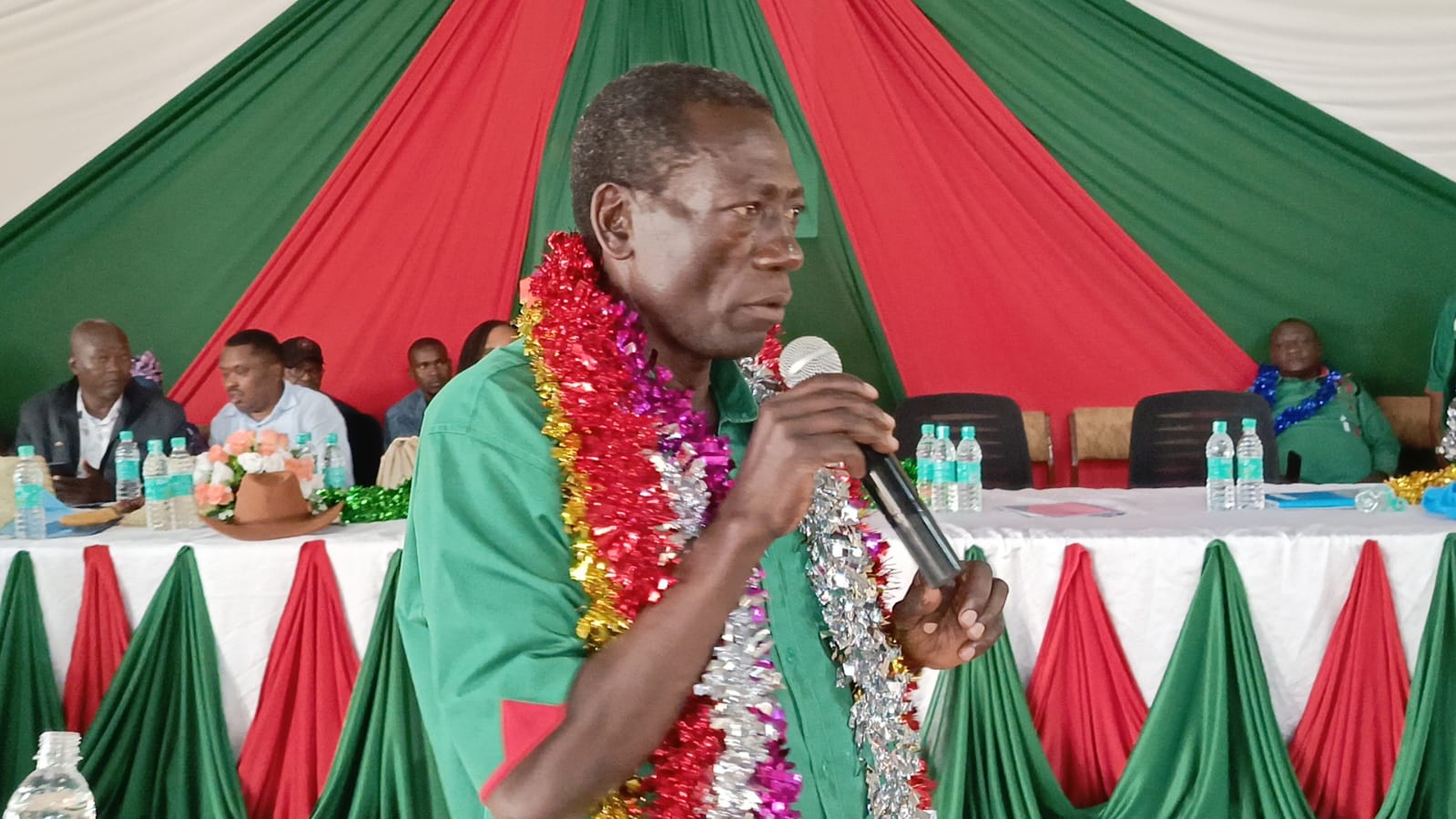
The air inside the KNUT House conference room on Mfangano Street was thick with anticipation and the faint smell of fresh mandazi and milky tea. It was a little after ten on a warm Tuesday morning in November 2025, and every plastic chair was occupied. Television cameras crowded the front, while at the back, a group of teachers who had travelled overnight from as far as Turkana and Mandera stood quietly, clutching worn TSC employment letters dated as far back as 2008.
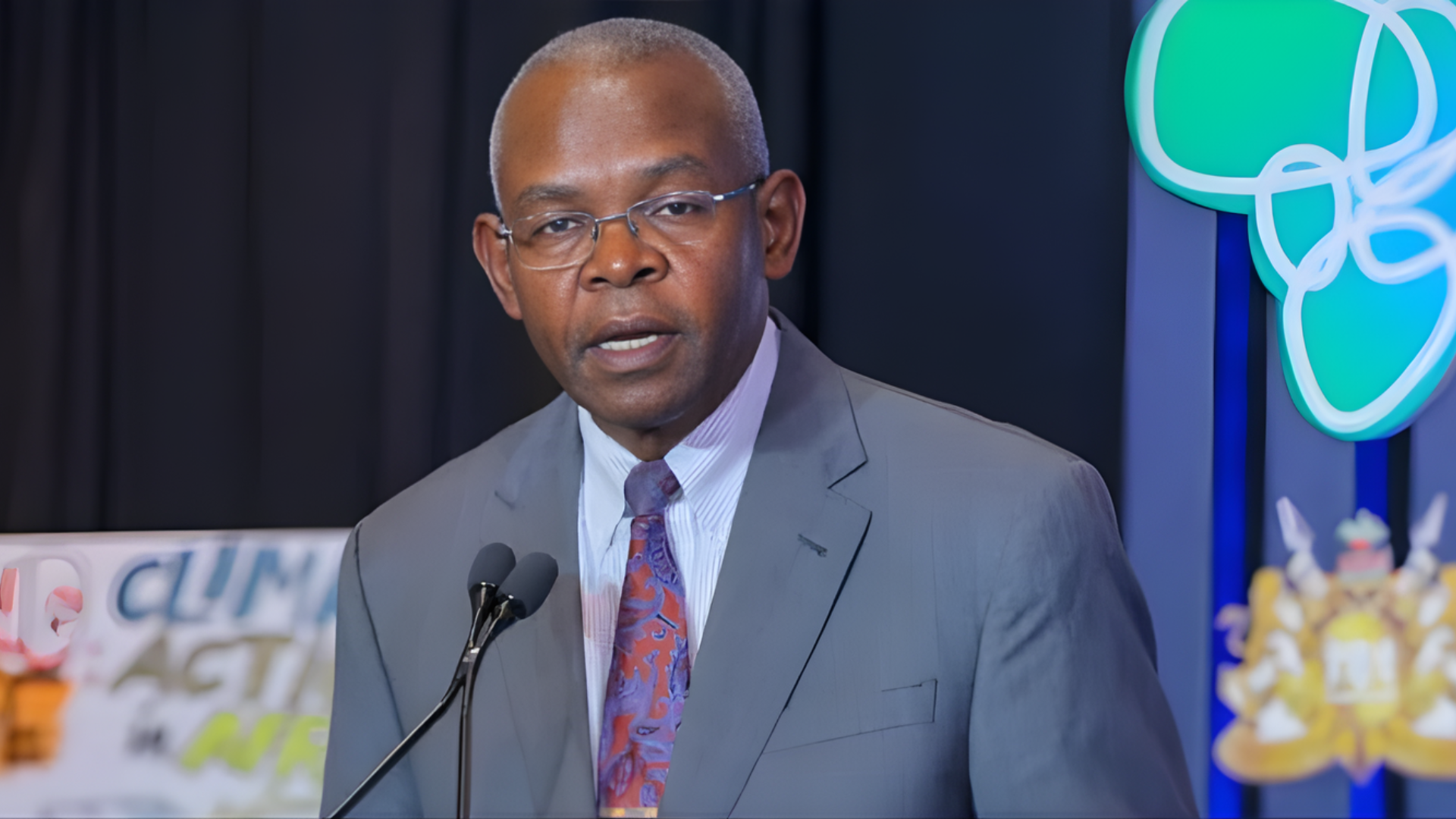
When Collins Oyuu finally walked in flanked by his deputy Hesbon Otieno and national treasurer Joseph Karanja, the room fell into an immediate hush. The KNUT Secretary-General, dressed in his trademark dark suit and bright red tie, did not waste time on pleasantries.
“Teachers of Kenya,” he began, voice steady but carrying the weight of years of broken promises, “today I bring you news that many of you stopped believing you would ever hear.”
He paused, letting the silence stretch just long enough for the words to sink in.
“The government has agreed to an affirmative action programme that will permanently employ thousands of teachers who have been waiting, some for close to two decades, for the jobs they qualified for long ago. Some of you here are 45 years old and still jobless despite having first-class honours degrees and P1 certificates from the Moi era. That injustice ends now.”
A low murmur rippled through the room. An elderly teacher from Kisii, grey hair peeking from under a faded cap, raised a trembling fist in quiet celebration. A younger woman near the aisle pressed both hands to her mouth to stifle a sob.
Oyuu continued, reading from a single A4 sheet that he said was the signed minutes from a marathon meeting held the previous Thursday at the Ministry of Education headquarters in Jogoo House.
“Starting with the financial year 2026/2027, the Teachers Service Commission will create a special window under affirmative action to absorb all teachers who scored 350 marks and above in the 2008 to 2012 KCSE, completed their P1 or diploma training, registered with TSC, and have never been employed on permanent terms. Age will no longer be a barrier.”
He looked up and scanned the room slowly. “If you are 45 today and still waiting, your letter is coming.”
The applause started somewhere in the middle and quickly swept forward like a wave. Camera shutters clicked furiously. A journalist from a local station shouted above the noise, “SG, how many teachers are we talking about?”
Oyuu waited for quiet. “Conservative estimates from our records show at least 28,000 teachers fall under this category nationwide. Some have been doing BOM terms for fifteen years, earning four thousand shillings a month, paying school fees for their own children with money they borrow from chamas. That humiliation ends.”
In the third row, a teacher named Everlyne Chepkorir from Bomet stood up uninvited. Her voice cracked as she spoke. “Sir, I graduated in 2010 with a first-class diploma. I am now 41. I have four children. My youngest was born while I was marking KCSE for TSC at twelve shillings per script. Will I really get that permanent letter next year?”
Oyuu walked from behind the table and stood directly in front of her. “Everlyne, look at me. If your papers are in order, you will not mark another script for twelve shillings. You will be in class teaching on permanent and pensionable terms by July 2026. I stake my name on it.”
The room erupted again. Everlyne sat down slowly, tears streaming freely now, as the woman next to her rubbed her back in small circles.
Oyuu returned to the microphone and delivered the second bombshell.
“Many of you have also complained that teachers stagnate in the same job group for ten, fifteen years. The promotion budget has been a disgraceful one billion shillings for the entire country. Last week we forced the government to double it. From next financial year, the promotion kitty will be two billion shillings every year until the backlog is cleared.”
He held up the document again. “This is not a promise. This is signed by the Cabinet Secretary, the TSC Chair, and witnessed by the Salaries and Remuneration Commission. More than six thousand teachers who have been stuck in Job Group K and L for over a decade will move up in the first phase alone.”
A primary school headteacher from Machakos, a wiry man with a voice like gravel, stood up. “SG, what about the 2025 promotions? Some of us were interviewed in 2023 and still nothing.”
Oyuu smiled for the first time all morning. “Patience, teacher. The list for 2025 is being typed as we speak. You will see it before schools close in two weeks. And for those who will still miss out, the expanded budget next year will catch you.”
Then came the part that made phones across the country start buzzing even before the press conference ended.
“Since President Ruto took office,” Oyuu said, “76,000 teachers have been employed on permanent terms in just three years. That is more than the combined total of the two previous administrations. And I can confirm to you today that another 20,000 permanent positions have been ring-fenced for recruitment in January 2026. The advert will be out before Christmas.”
Outside on Mfangano Street, as journalists rushed to file their stories, a group of unemployed teachers who had been listening from the doorway began singing the old union anthem “Solidarity Forever” in Kiswahili. Their voices carried into the midday traffic, where matatu drivers slowed down to listen.
One of them, a 44-year-old man named Joshua Omondi from Siaya, spoke to anyone who cared to listen. “I sat for KCSE in 2007. I have a son doing Form Four right now. All these years I have been tilling my father’s land and teaching in a private school for three thousand shillings. Today I feel like a human being again.”
By late afternoon, the news had reached the remotest staff rooms. In a small primary school in Lokichar, Turkana South, a teacher named Grace Ekiyon read the WhatsApp message aloud to her colleagues under an acacia tree during break time. When she finished, nobody spoke for a long moment. Then the deputy headteacher, a woman who had waited since 2009, simply stood up, walked to the middle of the sandy playground, and began jumping up and down like a little girl who had just been given a new dress.
That evening, in a tiny bedsitter in Pipeline, Embakasi, Everlyne Chepkorir cooked supper for her children with tears falling into the sufuria. Her eldest daughter, a Standard Eight pupil, noticed and asked, “Mummy, why are you crying while smiling?”
Everlyne wiped her face with the edge of her lesso. “Because, baby, after all these years, Mummy is finally going to be a real teacher.”
Across the country, thousands of similar quiet celebrations and whispered prayers took place in houses made of iron sheets and in manyattas, in teacher quarters lit by solar lamps and in staff rooms that still smell of chalk dust and hope renewed.
Collins Oyuu himself left KNUT House long after dark. As he walked to his car, a young journalist ran up to him.
“SG, your critics say you have become too close to this government. That you praise them too much.”
Oyuu stopped under the streetlight and looked at the young man for a long second while.
“Young man,” he said softly, “when a government employs 76,000 teachers and commits to employ 20,000 more, when it doubles promotion money and agrees to correct a seventeen-year injustice, my job is not to play opposition for the sake of it. My job is to tell teachers the truth. And tonight, for the first time in a very long time, the truth is good.”
He got into his car and drove off into the Nairobi night, leaving behind a teachers’ union headquarters whose lights stayed on long after he left, because nobody inside wanted to be the first to go home and end a day that finally felt like victory.