The Ministry of Interior has officially announced substantial salary increases for officers in the Kenya Police Service, Kenya Prisons Service and National Youth Service, with the new pay structure taking effect from July 1, 2026.
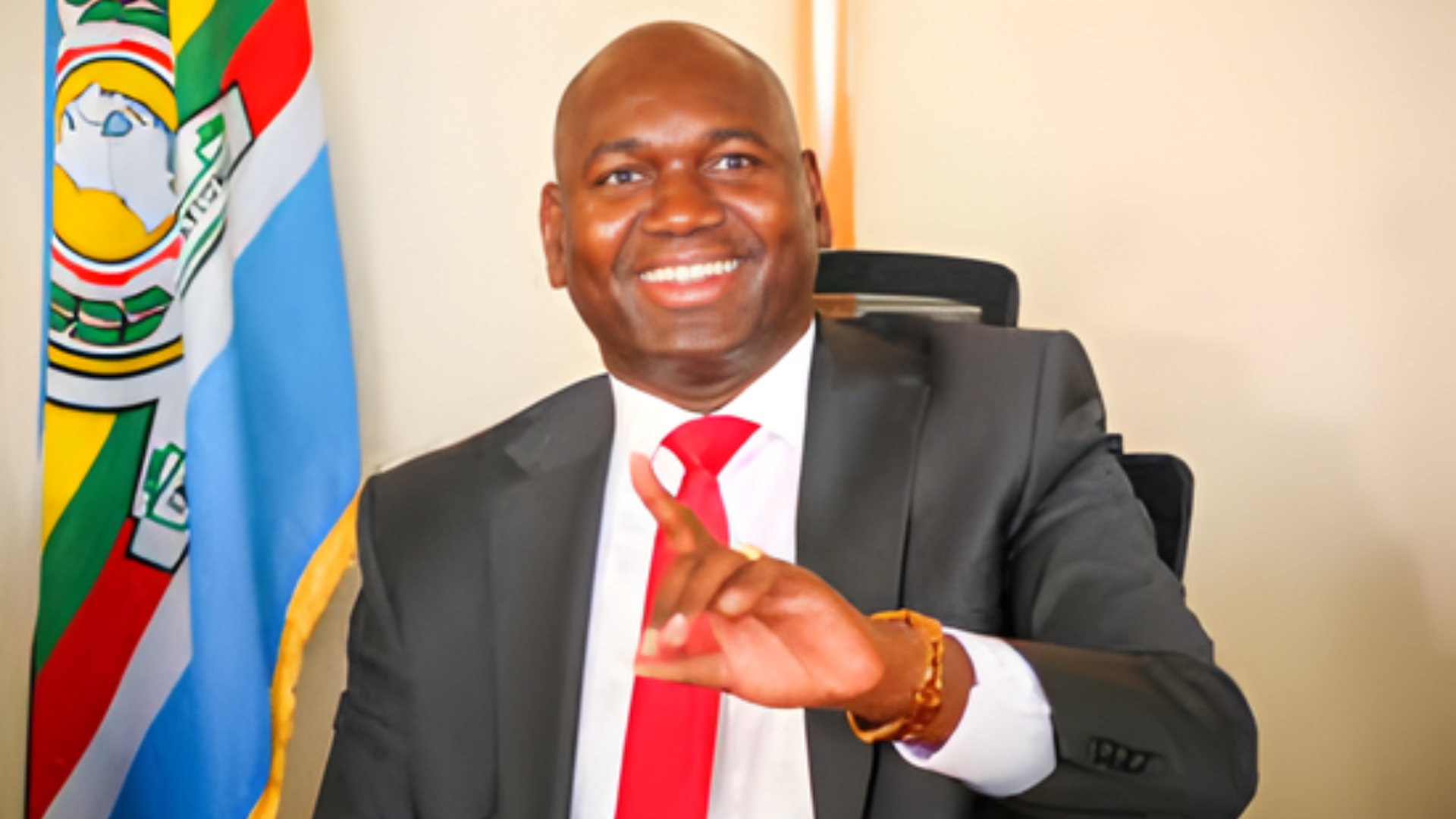
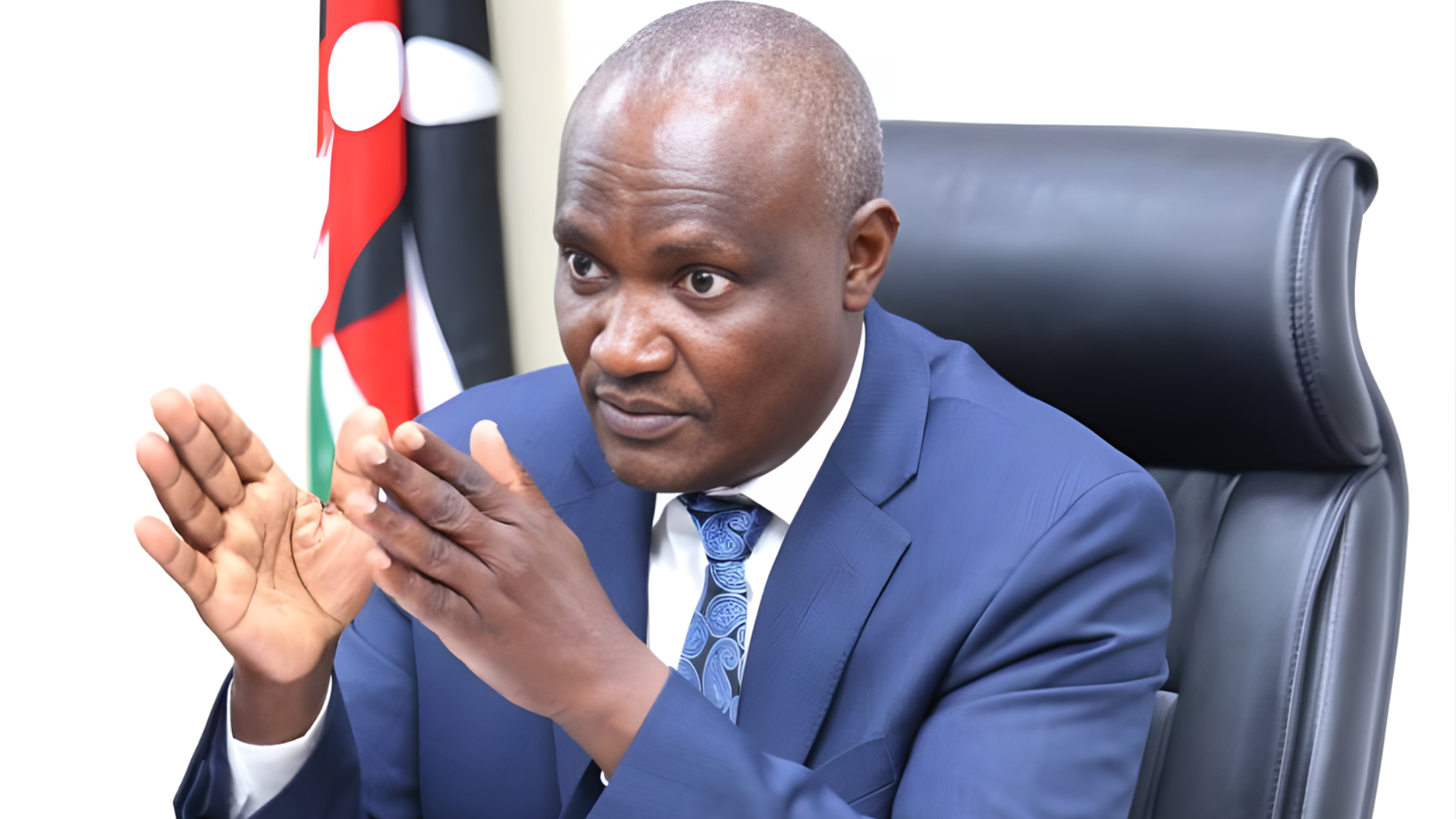
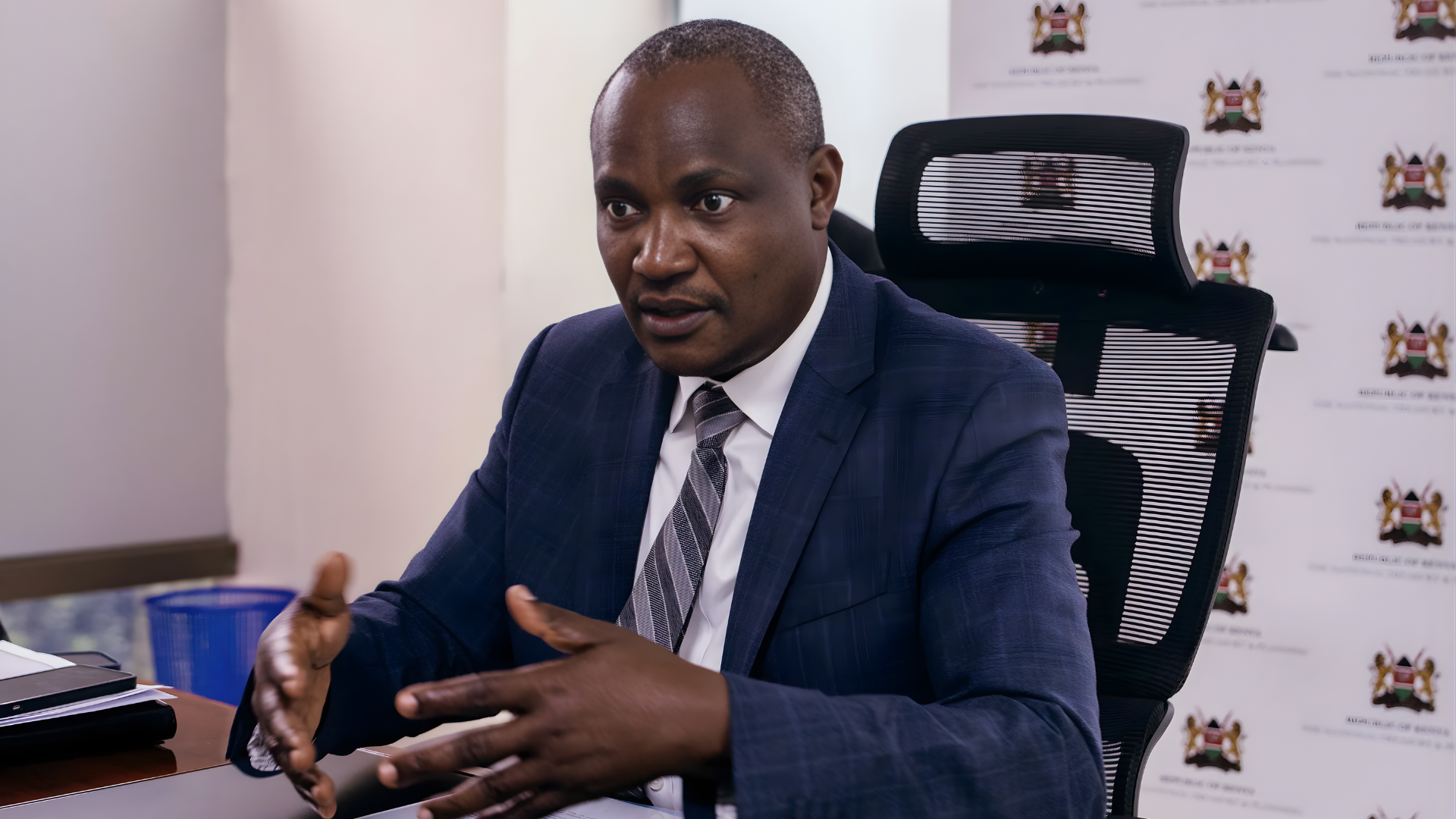
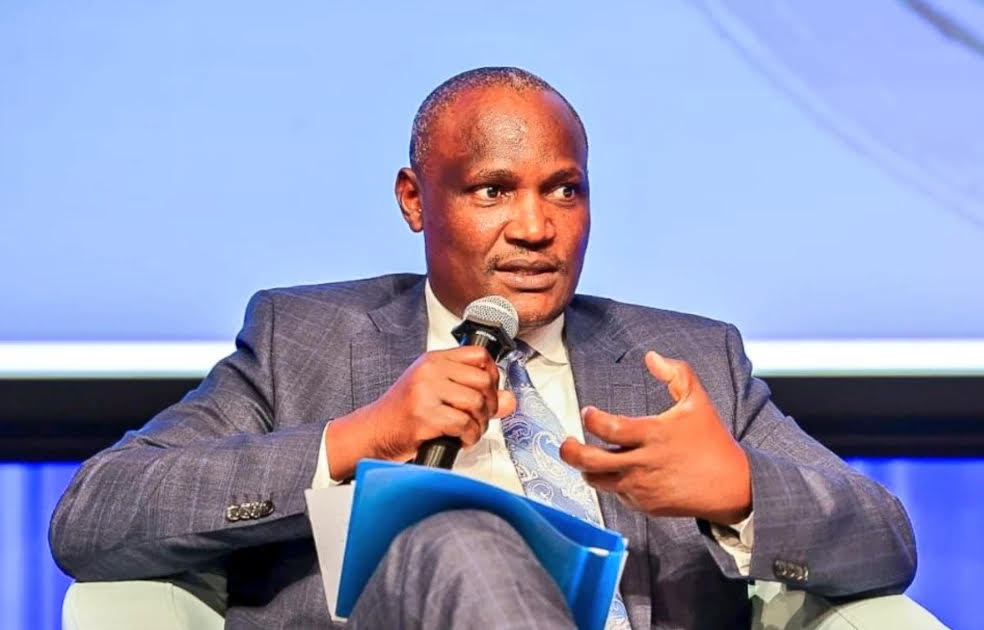
Interior Cabinet Secretary Kithure Kindiki confirmed the adjustments during a joint press conference with the heads of the three services at Jogoo House on February 25, 2026. The salary review, approved by the Salaries and Remuneration Commission and funded through the 2026/27 budget estimates, aims to address long-standing concerns about remuneration, morale, retention and the ability to attract quality recruits into the disciplined services.
Police constables, who previously earned a maximum basic salary of Ksh38,975, will now take home up to Ksh57,700—a 48% increase. New police recruits entering the service will start at Ksh29,296, up from the previous entry point of Ksh20,390, representing a 44% rise at the lowest rung.
National Youth Service officers in the lowest cadre will now earn between Ksh26,222 and Ksh37,912 per month, depending on trade, qualifications and deployment. Senior police officers at the highest salary scale will see their basic pay rise to Ksh345,850, a 20% increase from the previous maximum. Senior Prisons Service officers will earn between Ksh301,548 and Ksh584,903, with the exact placement determined by rank, years of service and performance.
Kindiki described the increases as recognition of the critical role played by the services in maintaining internal security, correctional management and national youth development. “These men and women serve in difficult conditions, often far from their families, facing real risks every day,” the CS said. “Fair and competitive pay is not a luxury—it is essential for morale, discipline and effectiveness. We are delivering on our promise to improve welfare across the disciplined forces.”
The salary adjustments follow earlier reviews for the Kenya Defence Forces and the Administration Police Service, completing a comprehensive remuneration overhaul for uniformed personnel launched in late 2025. The increases will be funded through a combination of Treasury allocations and efficiency savings within the public wage bill.
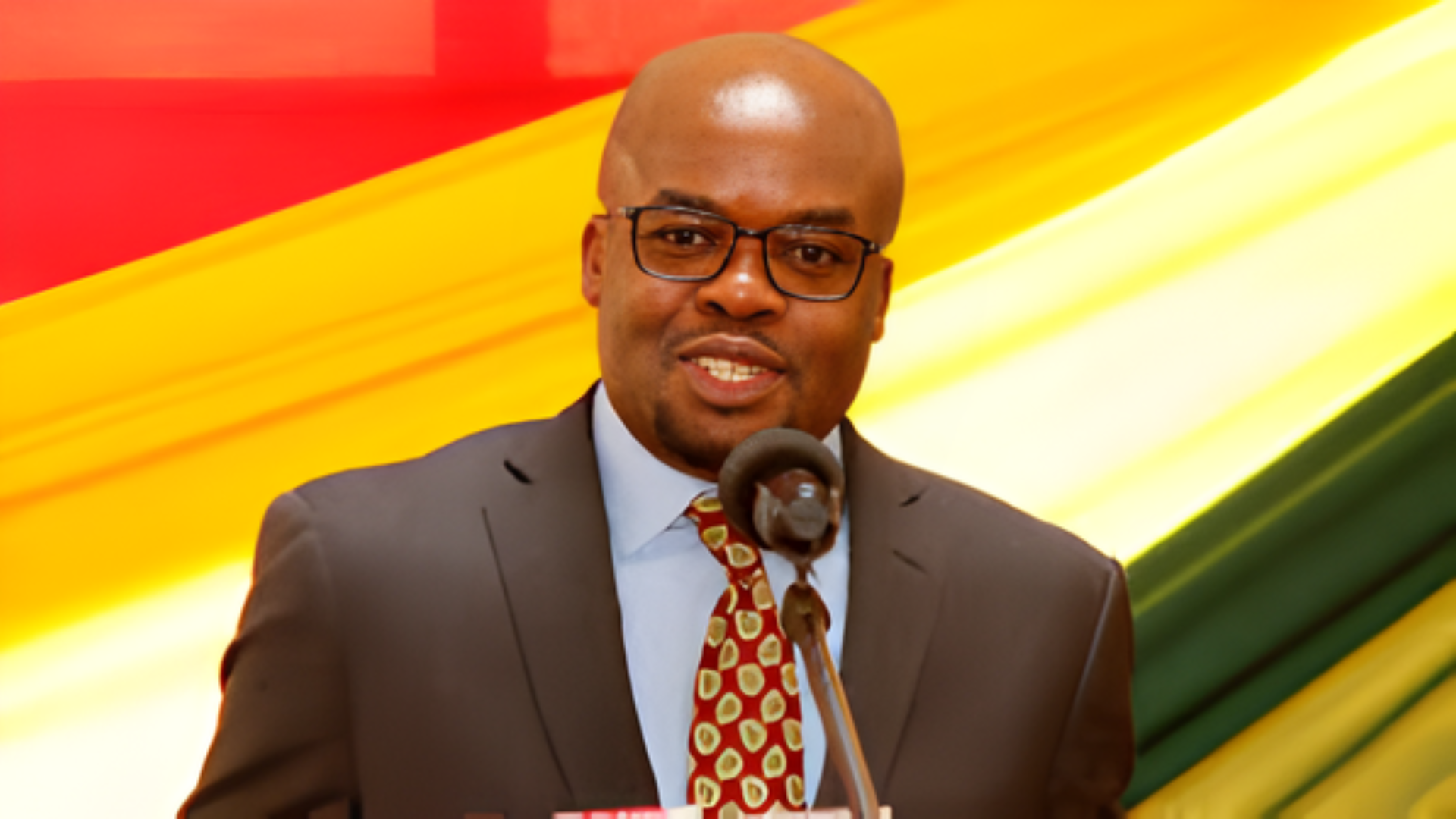
Prisons Service Commissioner-General Wycliffe Ogallo welcomed the move, saying it would boost staff motivation and reduce turnover. “Our officers guard society’s most challenging environments,” Ogallo stated. “Better pay will help us retain experienced personnel and attract new talent capable of delivering humane, professional correctional services.”
NYS Director-General Col. (Rtd) Boniface Wekesa highlighted the importance of the adjustment for youth recruits. “Many young Kenyans join NYS seeking discipline, skills and a path to stable employment,” Wekesa said. “These new salaries make the service more attractive and sustainable, allowing us to continue producing disciplined, skilled citizens ready for national duty.”
The announcement has received broad support from the public and within Parliament, though some MPs have called for similar reviews for teachers, nurses and other essential workers whose unions have also demanded pay rises. Kenya National Union of Teachers Secretary-General Collins Oyuu said: “We congratulate our colleagues in the disciplined services, but teachers and health workers deserve the same urgency and respect. We expect the government to act swiftly on our pending CBA.”
The salary structure will be gazetted in the coming days, with implementation beginning on the first payroll of the 2026/27 financial year. Existing officers will see the new rates reflected automatically, while new recruits enlisting after July 1 will enter at the revised entry points.
The increases are part of the government’s broader strategy to strengthen national security, improve public service delivery and address youth unemployment through disciplined services. With the 2027 election cycle approaching, analysts say the move is also intended to bolster morale among uniformed personnel who play key roles in election security and national stability.
As the changes take effect, the disciplined services are expected to intensify recruitment drives and training programmes to capitalise on the improved terms and attract high-calibre candidates.