 Diana Muthini
The Political Journey of William Ruto: From Humble Beginnings to the Presidency of Kenya
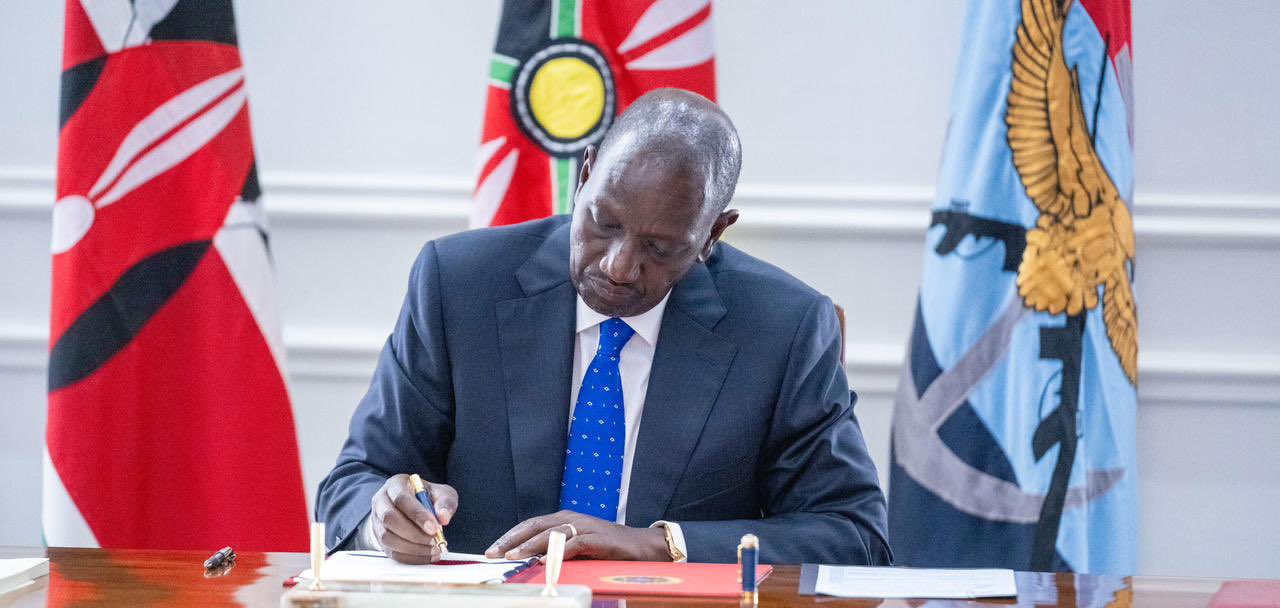
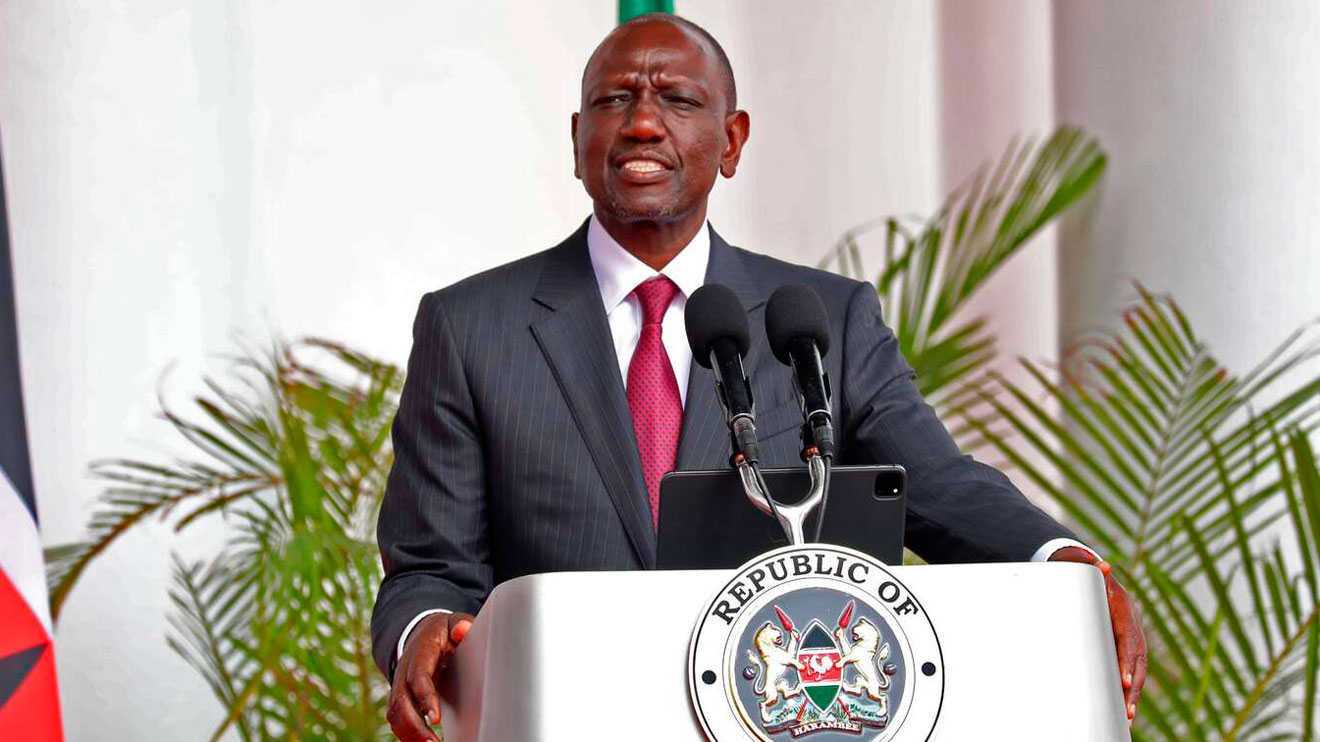
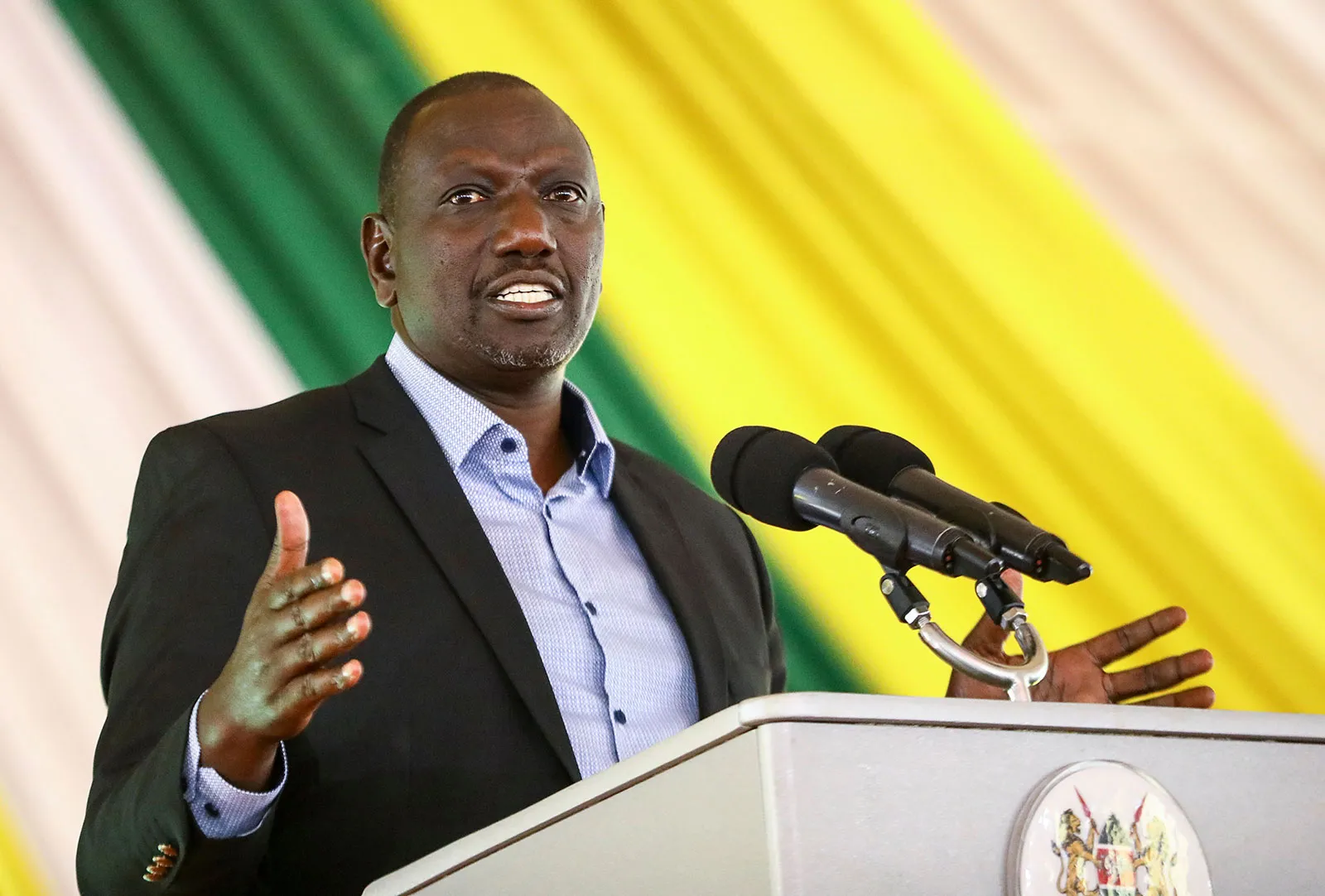
The political journey of William Ruto is one of the most remarkable stories in modern African politics. Rising from a humble background in rural Kenya to become the fifth President of Kenya, Ruto’s rise reflects determination, political strategy, resilience, and an ability to connect with grassroots supporters. Over the years, his career has been shaped by powerful alliances, political rivalries, national controversies, and a strong campaign narrative built around economic empowerment for ordinary citizens.
His path to the presidency spans more than two decades in public service, including roles as a Member of Parliament, cabinet minister, Deputy President, and ultimately the leader of the nation.
Early Life and Background
William Ruto was born on December 21, 1966, in Kamagut village in Uasin Gishu County in the Rift Valley region of Kenya. He grew up in a modest family and has often spoken publicly about the challenges he faced during his childhood.
One of the most well-known stories about Ruto’s early life is that he sold chickens along the roadside to support himself while growing up. This experience later became a central part of his political identity, helping him portray himself as a self-made leader who understands the struggles of ordinary Kenyans.
Ruto attended local schools before joining the University of Nairobi where he studied Botany and Zoology. While at the university, he became actively involved in student leadership and political discussions that shaped his future career.
His early involvement in politics came during the era of President Daniel arap Moi, a time when Kenya was transitioning into multiparty democracy. This political environment gave young activists an opportunity to participate in shaping the country's future leadership.
Entry into National Politics
William Ruto first gained national political attention through his involvement with the Youth for KANU ’92 movement. The organization was formed to mobilize young voters in support of the ruling party led by President Daniel arap Moi.
The movement played a significant role during the early years of Kenya’s multiparty politics and helped introduce Ruto to the national political stage. His ability to mobilize youth and communicate effectively with grassroots supporters helped him build a strong political network.
In 1997, Ruto made a major political breakthrough when he contested and won the Eldoret North parliamentary seat. His victory surprised many political observers and marked the beginning of a long and influential career in Kenya’s Parliament.
As a young Member of Parliament, Ruto quickly became known as an energetic and outspoken leader. His strong connection with voters in the Rift Valley region helped him consolidate his position as one of the rising stars in Kenyan politics.
Rise Within Government and Cabinet Roles
Over time, Ruto’s influence within national politics continued to grow. He held several senior positions within government and political parties, gradually becoming one of the most powerful political figures in the country.
During the presidency of Mwai Kibaki, Ruto served in key cabinet positions, including Minister for Agriculture and later Minister for Higher Education. His role as Agriculture Minister was particularly significant because agriculture remains one of the most important sectors of the Kenyan economy.
In this role, Ruto oversaw policies aimed at improving agricultural productivity and supporting farmers. However, his time in government also attracted criticism and political controversy, which at times placed him at the center of national debate.
Despite these challenges, he continued to build a strong political base and remained a key figure in national politics.
The 2013 Political Alliance
One of the most defining moments in Ruto’s political career came ahead of the 2013 general election. He formed a strategic alliance with Uhuru Kenyatta, creating a powerful political partnership that would significantly reshape Kenya’s political landscape.
The two leaders formed the Jubilee Alliance, bringing together major political blocs across the country. Their campaign focused on unity, development, and economic growth.
In the 2013 election, Uhuru Kenyatta was elected President while William Ruto became Deputy President. Their victory marked the beginning of a new era in Kenyan politics.
As Deputy President, Ruto played a major role in supporting government development projects and maintaining political support for the Jubilee administration.
Jubilee Government and National Development
During the Jubilee administration, the government prioritized major infrastructure projects aimed at transforming Kenya’s economy. These included investments in roads, railways, energy, and urban development.
William Ruto was a visible and active Deputy President who frequently toured different parts of the country launching development projects and engaging with local communities.
The Jubilee administration was re-elected in the 2017 general election, giving Ruto a second term as Deputy President.
However, the political landscape soon changed dramatically.
The Handshake and Political Fallout
In 2018, President Uhuru Kenyatta and opposition leader Raila Odinga shocked the nation by announcing a political truce popularly known as the “Handshake.”
The agreement aimed to ease political tensions following the disputed 2017 elections. However, the handshake also created new political alliances that weakened Ruto’s influence within the government.
During this period, tensions grew between Kenyatta and Ruto. The once-strong partnership between the two leaders gradually deteriorated as political differences emerged.
The Rise of the Hustler Movement
In response to the changing political environment, William Ruto began building a new political narrative known as the “Hustler Movement.”
The movement focused on the idea that ordinary citizens—referred to as “hustlers”—deserved greater economic opportunities and government support. Ruto promoted a “bottom-up economic model” aimed at empowering small businesses, youth, farmers, and informal workers.
This narrative resonated with many voters who felt excluded from the benefits of economic growth.
Through nationwide rallies and grassroots mobilization, Ruto built a powerful political movement that positioned him as a champion of ordinary Kenyans.
The 2022 Presidential Election
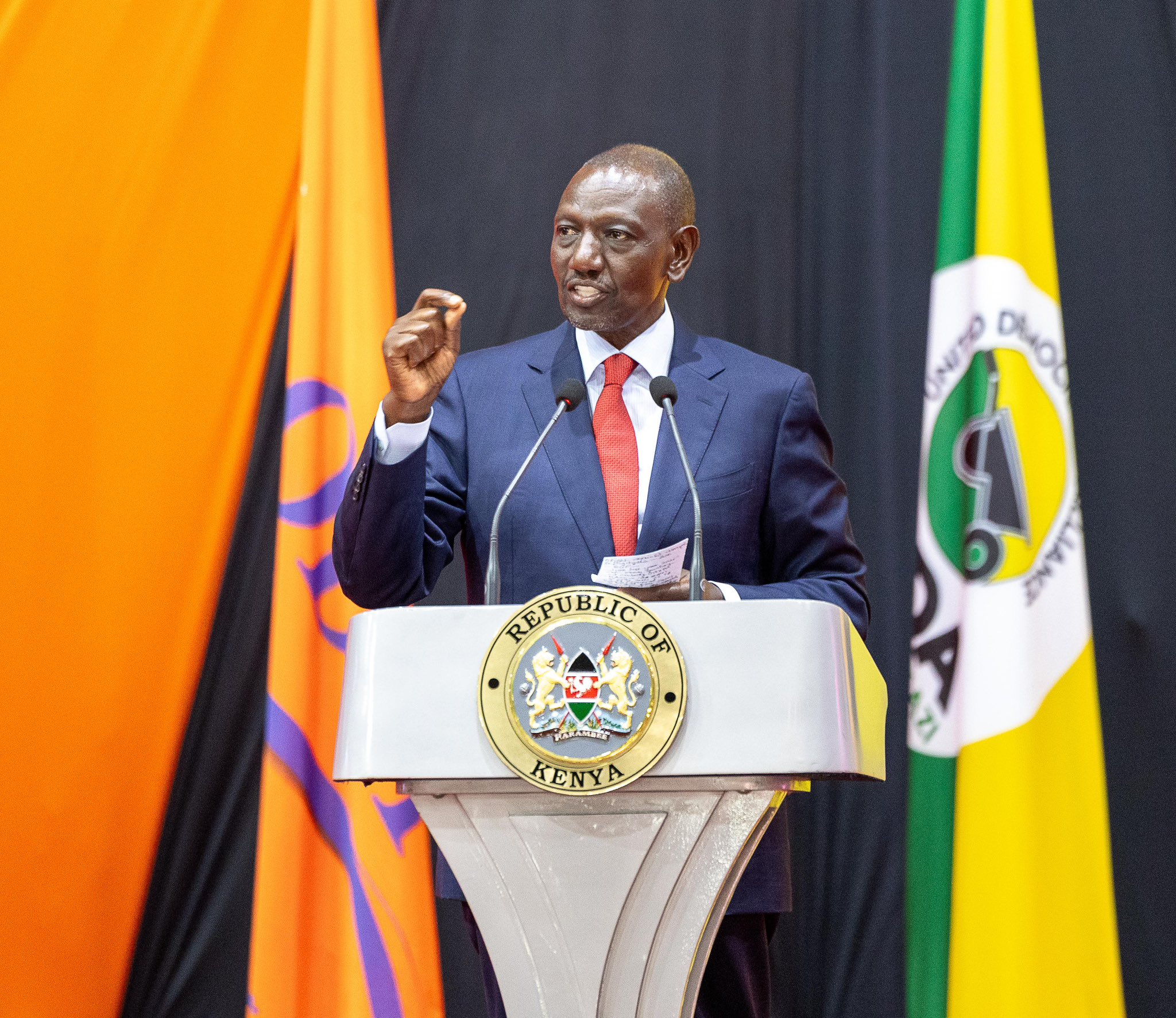
The 2022 general election in Kenya was one of the most competitive elections in the country’s history. Running under the United Democratic Alliance party, Ruto faced strong competition from veteran opposition leader Raila Odinga.
Ruto’s campaign focused heavily on economic empowerment, job creation, and support for small-scale entrepreneurs.
After a tense and closely contested election process, William Ruto was declared the winner of the presidential race.
He was sworn in as the fifth President of Kenya in September 2022.
His victory marked a historic moment in Kenyan politics, completing his long journey from grassroots mobilizer to the highest office in the land.
Presidency and Governance Challenges
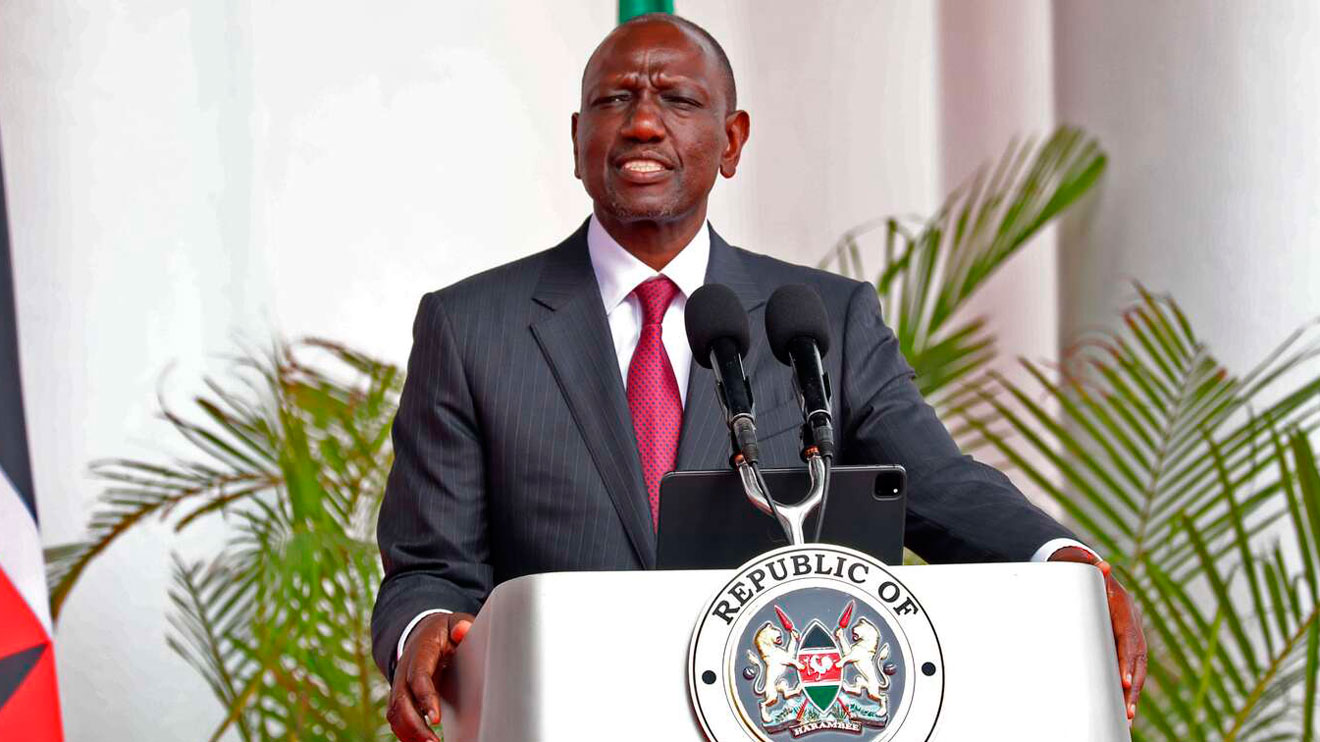
Since taking office, President William Ruto has focused on implementing economic reforms aimed at addressing the country’s debt burden, boosting agricultural production, and supporting small businesses.
His administration has also prioritized programs such as affordable housing, universal healthcare reforms, and increased investment in agriculture.
However, like many leaders around the world, his presidency has faced challenges including rising cost of living, political opposition, and economic pressures.
Despite these challenges, Ruto continues to promote his bottom-up economic model as the foundation of his leadership agenda.
Legacy and Future
The political journey of William Ruto remains one of the most fascinating stories in Kenya’s democratic history. His rise from humble beginnings to the presidency illustrates the possibilities within Kenya’s political system.
Supporters see him as a symbol of determination and social mobility, while critics argue that his leadership will ultimately be judged by his ability to deliver economic transformation and national unity.
As his presidency continues, the true legacy of William Ruto will be shaped by how he navigates the complex political and economic challenges facing Kenya.
What remains clear is that his political journey—from selling chickens as a young boy to leading a nation—has already secured a lasting place in the history of Kenyan politics.
The political journey of William Ruto is one of the most remarkable stories in modern African politics. Rising from a humble background in rural Kenya to become the fifth President of Kenya, Ruto’s rise reflects determination, political strategy, resilience, and an ability to connect with grassroots supporters. Over the years, his career has been shaped by powerful alliances, political rivalries, national controversies, and a strong campaign narrative built around economic empowerment for ordinary citizens.
His path to the presidency spans more than two decades in public service, including roles as a Member of Parliament, cabinet minister, Deputy President, and ultimately the leader of the nation.
Early Life and Background
William Ruto was born on December 21, 1966, in Kamagut village in Uasin Gishu County in the Rift Valley region of Kenya. He grew up in a modest family and has often spoken publicly about the challenges he faced during his childhood.
One of the most well-known stories about Ruto’s early life is that he sold chickens along the roadside to support himself while growing up. This experience later became a central part of his political identity, helping him portray himself as a self-made leader who understands the struggles of ordinary Kenyans.
Ruto attended local schools before joining the University of Nairobi where he studied Botany and Zoology. While at the university, he became actively involved in student leadership and political discussions that shaped his future career.
His early involvement in politics came during the era of President Daniel arap Moi, a time when Kenya was transitioning into multiparty democracy. This political environment gave young activists an opportunity to participate in shaping the country's future leadership.
Entry into National Politics
William Ruto first gained national political attention through his involvement with the Youth for KANU ’92 movement. The organization was formed to mobilize young voters in support of the ruling party led by President Daniel arap Moi.
The movement played a significant role during the early years of Kenya’s multiparty politics and helped introduce Ruto to the national political stage. His ability to mobilize youth and communicate effectively with grassroots supporters helped him build a strong political network.
In 1997, Ruto made a major political breakthrough when he contested and won the Eldoret North parliamentary seat. His victory surprised many political observers and marked the beginning of a long and influential career in Kenya’s Parliament.
As a young Member of Parliament, Ruto quickly became known as an energetic and outspoken leader. His strong connection with voters in the Rift Valley region helped him consolidate his position as one of the rising stars in Kenyan politics.
Rise Within Government and Cabinet Roles
Over time, Ruto’s influence within national politics continued to grow. He held several senior positions within government and political parties, gradually becoming one of the most powerful political figures in the country.
During the presidency of Mwai Kibaki, Ruto served in key cabinet positions, including Minister for Agriculture and later Minister for Higher Education. His role as Agriculture Minister was particularly significant because agriculture remains one of the most important sectors of the Kenyan economy.
In this role, Ruto oversaw policies aimed at improving agricultural productivity and supporting farmers. However, his time in government also attracted criticism and political controversy, which at times placed him at the center of national debate.
Despite these challenges, he continued to build a strong political base and remained a key figure in national politics.
The 2013 Political Alliance
One of the most defining moments in Ruto’s political career came ahead of the 2013 general election. He formed a strategic alliance with Uhuru Kenyatta, creating a powerful political partnership that would significantly reshape Kenya’s political landscape.
The two leaders formed the Jubilee Alliance, bringing together major political blocs across the country. Their campaign focused on unity, development, and economic growth.
In the 2013 election, Uhuru Kenyatta was elected President while William Ruto became Deputy President. Their victory marked the beginning of a new era in Kenyan politics.
As Deputy President, Ruto played a major role in supporting government development projects and maintaining political support for the Jubilee administration.
Jubilee Government and National Development
During the Jubilee administration, the government prioritized major infrastructure projects aimed at transforming Kenya’s economy. These included investments in roads, railways, energy, and urban development.
William Ruto was a visible and active Deputy President who frequently toured different parts of the country launching development projects and engaging with local communities.
The Jubilee administration was re-elected in the 2017 general election, giving Ruto a second term as Deputy President.
However, the political landscape soon changed dramatically.
The Handshake and Political Fallout
In 2018, President Uhuru Kenyatta and opposition leader Raila Odinga shocked the nation by announcing a political truce popularly known as the “Handshake.”
The agreement aimed to ease political tensions following the disputed 2017 elections. However, the handshake also created new political alliances that weakened Ruto’s influence within the government.
During this period, tensions grew between Kenyatta and Ruto. The once-strong partnership between the two leaders gradually deteriorated as political differences emerged.
The Rise of the Hustler Movement
In response to the changing political environment, William Ruto began building a new political narrative known as the “Hustler Movement.”
The movement focused on the idea that ordinary citizens—referred to as “hustlers”—deserved greater economic opportunities and government support. Ruto promoted a “bottom-up economic model” aimed at empowering small businesses, youth, farmers, and informal workers.
This narrative resonated with many voters who felt excluded from the benefits of economic growth.
Through nationwide rallies and grassroots mobilization, Ruto built a powerful political movement that positioned him as a champion of ordinary Kenyans.
The 2022 Presidential Election
The 2022 general election in Kenya was one of the most competitive elections in the country’s history. Running under the United Democratic Alliance party, Ruto faced strong competition from veteran opposition leader Raila Odinga.
Ruto’s campaign focused heavily on economic empowerment, job creation, and support for small-scale entrepreneurs.
After a tense and closely contested election process, William Ruto was declared the winner of the presidential race.
He was sworn in as the fifth President of Kenya in September 2022.
His victory marked a historic moment in Kenyan politics, completing his long journey from grassroots mobilizer to the highest office in the land.
Presidency and Governance Challenges
Since taking office, President William Ruto has focused on implementing economic reforms aimed at addressing the country’s debt burden, boosting agricultural production, and supporting small businesses.
His administration has also prioritized programs such as affordable housing, universal healthcare reforms, and increased investment in agriculture.
However, like many leaders around the world, his presidency has faced challenges including rising cost of living, political opposition, and economic pressures.
Despite these challenges, Ruto continues to promote his bottom-up economic model as the foundation of his leadership agenda.
Legacy and Future
The political journey of William Ruto remains one of the most fascinating stories in Kenya’s democratic history. His rise from humble beginnings to the presidency illustrates the possibilities within Kenya’s political system.
Supporters see him as a symbol of determination and social mobility, while critics argue that his leadership will ultimately be judged by his ability to deliver economic transformation and national unity.
As his presidency continues, the true legacy of William Ruto will be shaped by how he navigates the complex political and economic challenges facing Kenya.
What remains clear is that his political journey—from selling chickens as a young boy to leading a nation—has already secured a lasting place in the history of Kenyan politics.