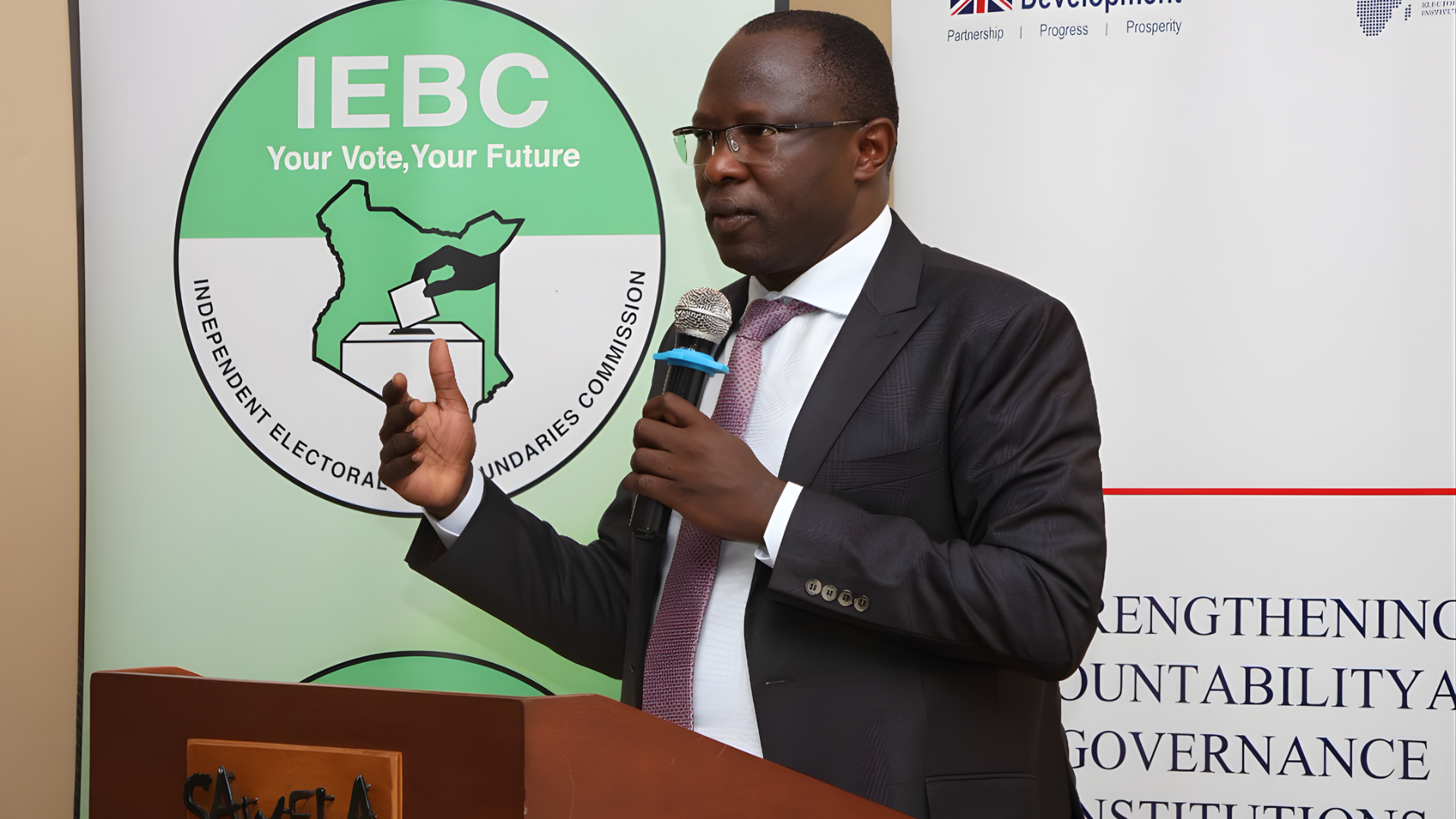
The Independent Electoral and Boundaries Commission has warned that the constitutionally mandated review of electoral boundaries could trigger significant community and class tensions given the high political stakes involved, estimating the process would require at least two to three years to complete.
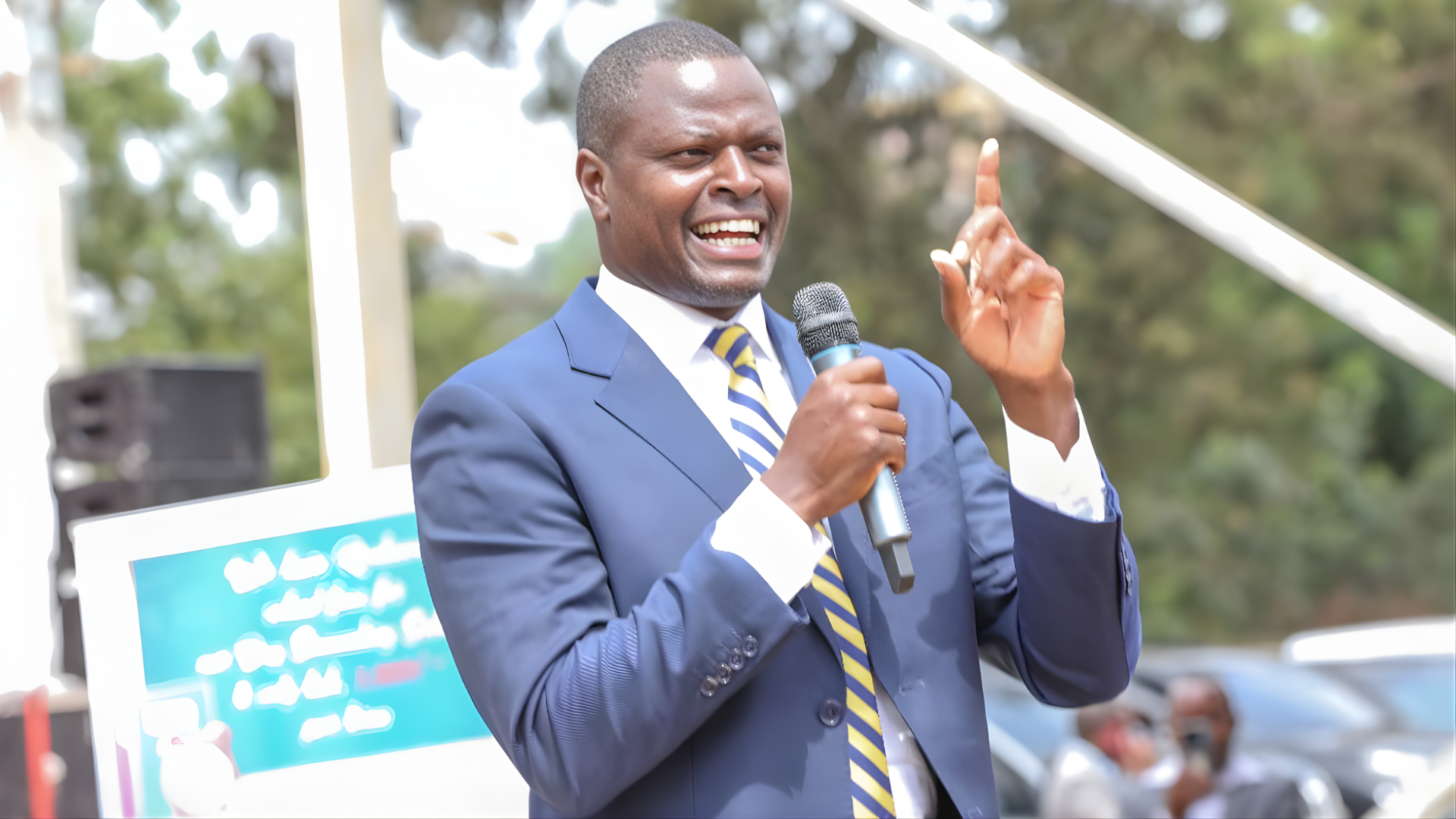
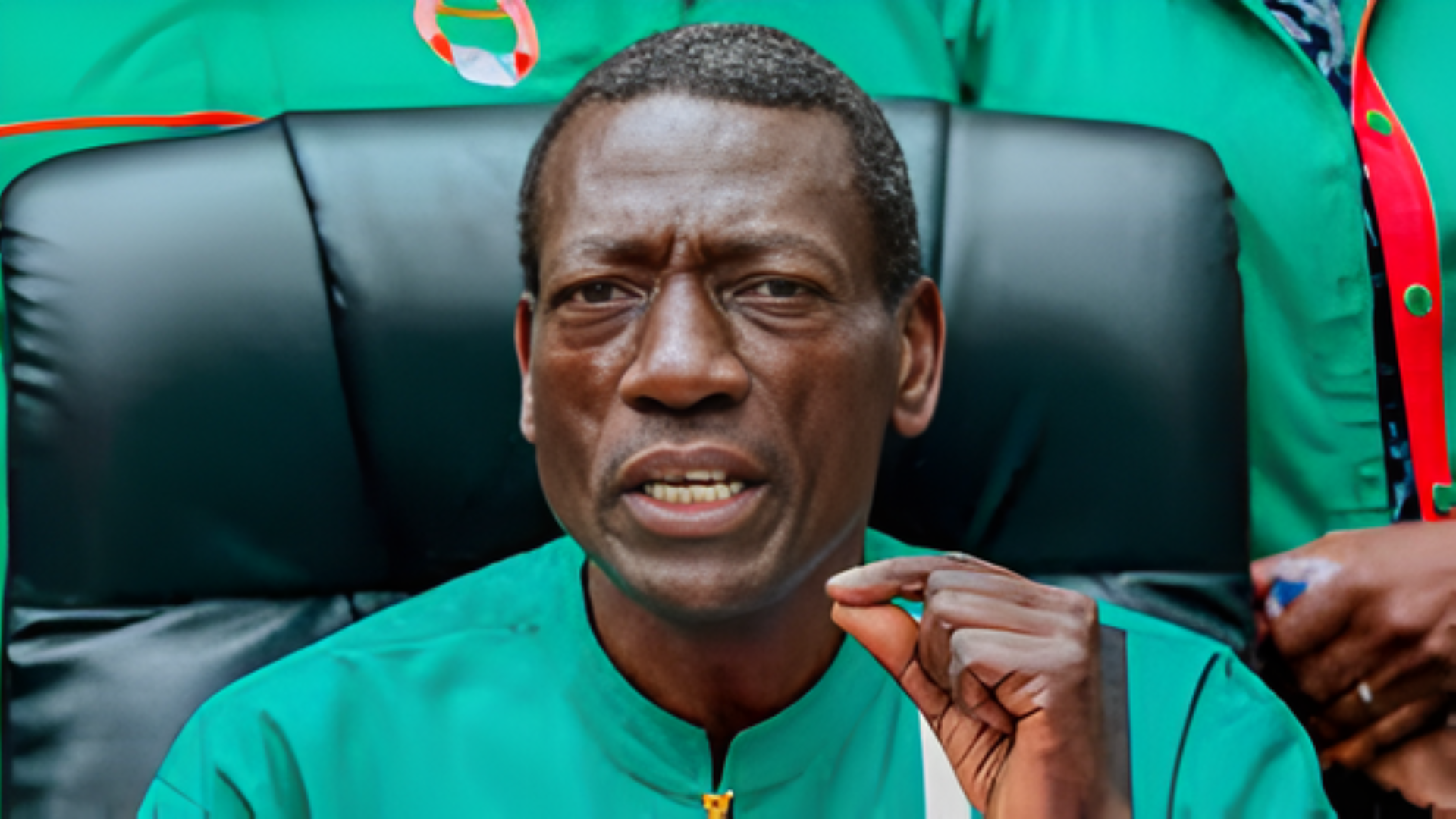
In a statement issued on December 8, 2025, IEBC Chairperson Erastus Ethekon said major technical preparations are underway but emphasised that the exercise cannot be rushed ahead of the 2027 general election without risking disputes. "The boundary review is a constitutionally required function under Article 89, but it is also one of the most politically charged activities we undertake," Ethekon said. "Redrawing lines affects representation, resources, and identities. With less than two years to the polls, completing it now would be impossible and could exacerbate divisions rather than resolve them."
The Constitution requires the Commission to review constituency and ward boundaries every eight to twelve years to reflect population changes and ensure equitable representation. The last review was conducted in 2012, making the current one overdue by at least three years. Ethekon noted that while the Secretariat has begun data collection using the 2019 census figures, the full delimitation process—including public hearings, objections, and parliamentary ratification—cannot realistically conclude before 2027.
"We have mapped out the preliminary phases: data validation, preliminary proposals, and stakeholder mapping," Ethekon explained during a media briefing in Nairobi. "But public participation alone takes nine months, followed by six months for objections and appeals. Parliament then has 120 days to approve. This is not a task for an election year; it demands calm, consensus, and time we simply do not have."
The warning comes amid ongoing legal and political hurdles. In September 2025, the Supreme Court declined to extend the constitutional timelines, ruling that only a fully constituted Commission—not its Secretariat—could seek such clarification, leaving the process in limbo. The National Dialogue Committee (NADCO) report had proposed extending reviews to every 10–20 years, but this remains pending in the Senate.
Political analysts agree the stakes are high. "Boundary reviews have historically ignited ethnic and regional rivalries," said Dr Kariuki Muigua, a constitutional law expert at the University of Nairobi. "In 2012, disputes in Mt Kenya and Rift Valley led to court battles that delayed the process. With 2027 approaching, any attempt now could be weaponised to challenge the polls' legitimacy."
Ethekon highlighted that the exercise's sensitivity could exacerbate class tensions in urban areas where population growth has outpaced ward creation. "Nairobi alone needs at least 10 new wards to reflect its 5.5 million residents," he said. "But creating them means redistributing resources from established areas, sparking fights over devolved funds."
The Commission has begun preliminary work, including geospatial mapping and census data cross-verification with the Kenya National Bureau of Statistics. However, full delimitation requires commissioners' approval and public input, which Ethekon said cannot start until after 2027 to avoid election interference.
In parallel, the IEBC has convened a stakeholder forum on December 8, 2025, at a Nairobi hotel to review the November 27 by-elections, focusing on reports of violence, interference, and operational lapses.
The half-day engagement will bring together political parties, candidates, civil society, observers, and state actors to dissect the mini-polls across one parliamentary seat and 21 wards in 15 counties.
Ethekon said the forum aims to capture lessons from the exercise, which saw 58 percent voter turnout but isolated incidents of intimidation in Kasipul, Malava, and Nyamira wards. "We commend the peaceful participation of 520,000 voters, but we cannot ignore the 247 irregularity reports, 23 of which were substantiated," he said. "Violence has no place in our democracy."
The Elections Observation Group (ELOG) in its assessment noted technical smoothness but flagged pre-election interference, including voter inducement and security lapses. ELOG Chairperson Victor Nyongesa: "The IEBC managed logistics well, but the environment was tainted by bribery and threats."
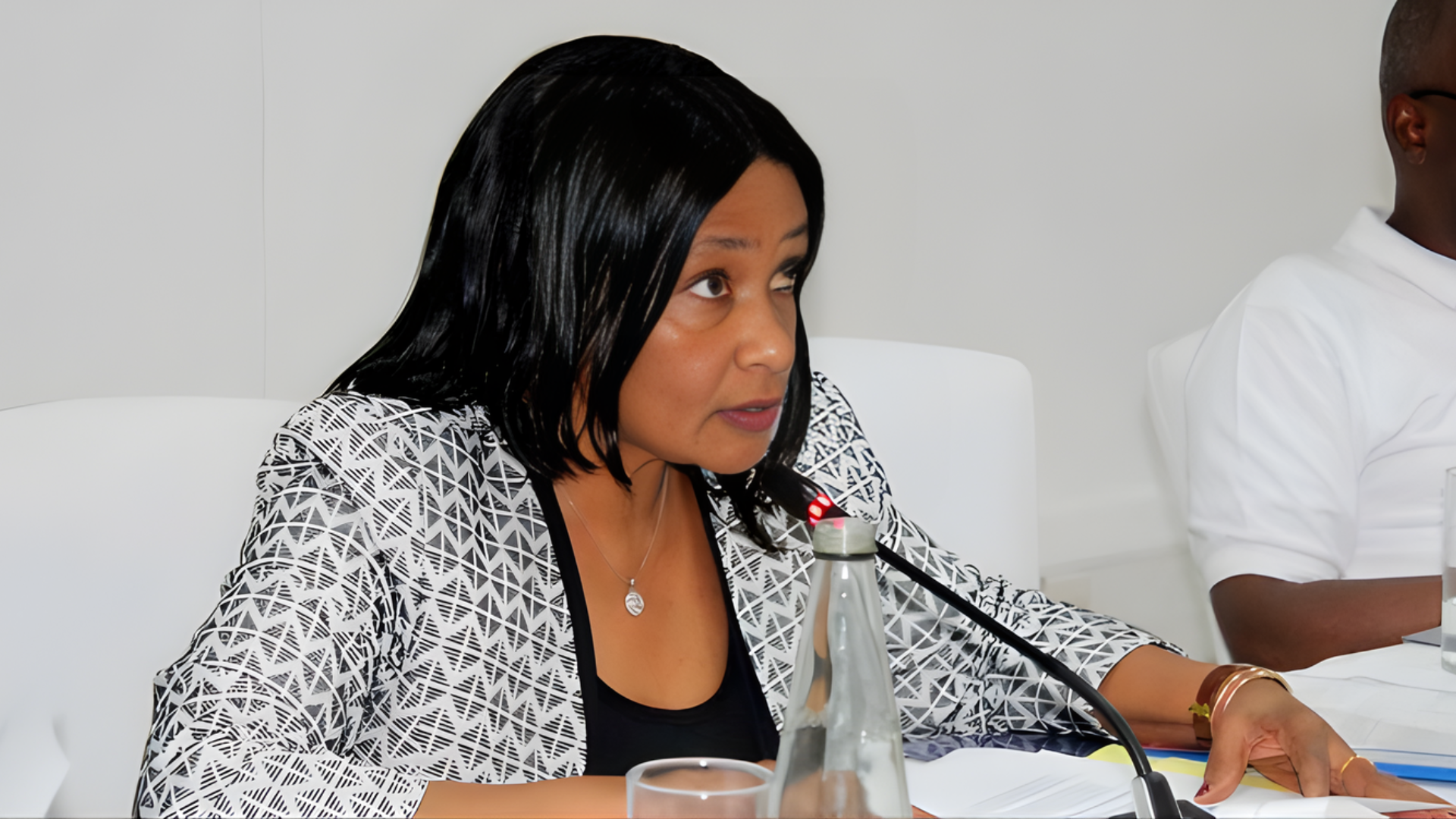
IEBC Vice-Chairperson Fahima Abdallah emphasised the forum's role in reforms. "We will review media disinformation—48 percent targeted parties—and observer harassment in Kariobangi North," she said.
The Kenya National Commission on Human Rights has issued a 14-day ultimatum to IEBC and EACC for action on offences. KNCHR Commissioner Roseline Odede: "The polls were neither free nor fair. We witnessed violence and inaction."
Interior CS Kipchumba Murkomen dismissed allegations as excuses. "The by-elections were credible; 58 percent turnout proves trust," he said.
The forum's outcomes will inform IEBC's 2026 reforms, including campaign finance and civic education.
As December 8 approaches, the IEBC's dual challenges—boundary sensitivities and by-election lessons—underscore the delicate balance of democracy.