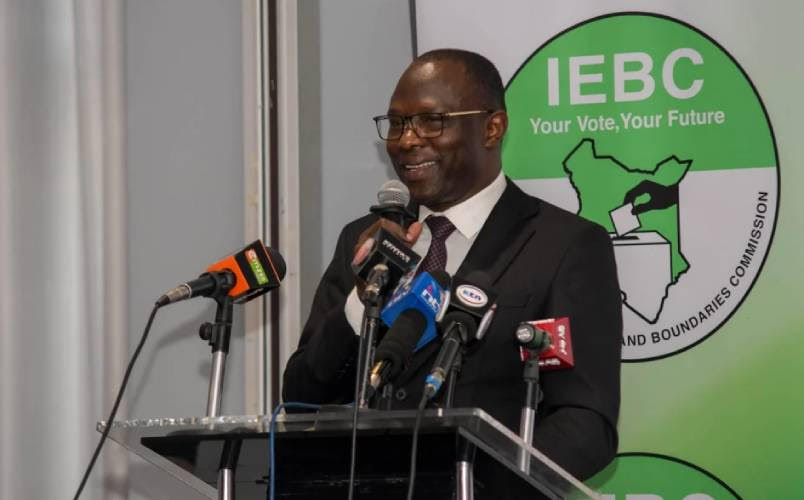
The Independent Electoral and Boundaries Commission is preparing to spend Sh64 billion to organise and conduct the 2027 general election, according to detailed budget estimates submitted to the National Treasury and parliamentary committees.
The figure covers all phases of the electoral cycle—from voter registration updates and political party nominations to polling day operations, results transmission and post-election audits. The commission says the allocation is necessary to deliver free, fair, transparent and credible elections in line with constitutional standards and international best practices.
The largest single item is Sh6.2 billion earmarked for replacement of Kenya Integrated Election Management System kits. The current KIEMS devices, first deployed in 2017 and reused in 2022, have reached the end of their useful life. “We cannot risk using outdated hardware that may fail during voting or transmission,” IEBC Chairperson Wahome Gathagu said. “New kits with enhanced biometric capabilities, longer battery life and improved tamper-proof features are essential for voter confidence and election integrity.”
Ballot printing has been allocated Sh5.9 billion to cover production of presidential, parliamentary, county assembly and referendum ballots if needed. The commission plans to print ballots locally to reduce costs and support domestic industry, with strict security features including special paper, holograms and serial numbering.
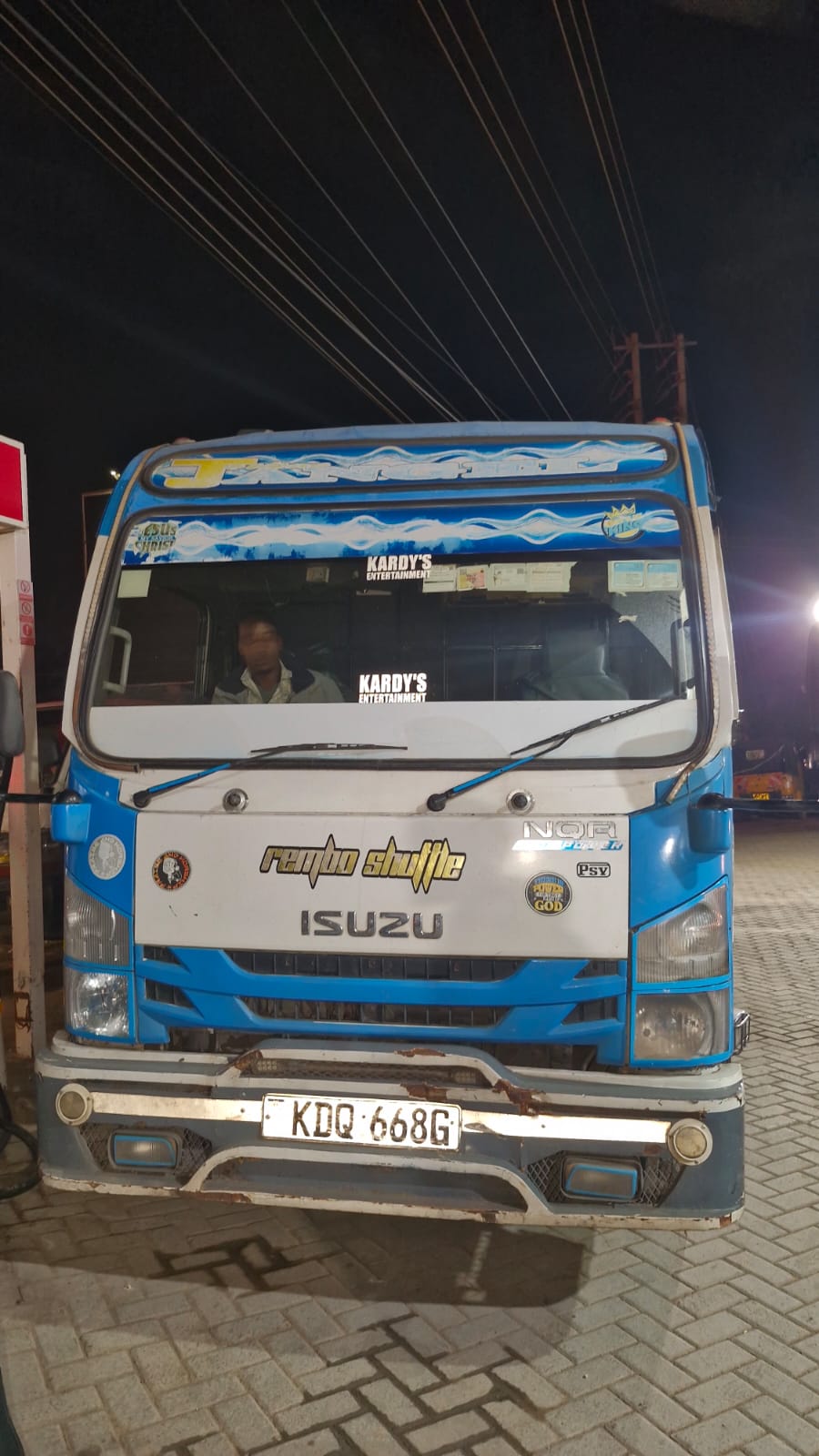
Logistics and transport together account for nearly Sh8 billion. Sh4.9 billion will fund movement of election materials, personnel and equipment to over 40,000 polling stations, while Sh3 billion covers fuel, vehicle hire, airlifts to remote areas and allowances for polling officials. “Kenya’s geography makes logistics one of the most expensive components,” Gathagu explained. “We must reach every corner—from Turkana islands to Lamu creeks—on time and in good condition.”
Other notable allocations include Sh1.1 billion for meals and refreshments for polling staff working long hours, Sh3.9 billion for systems upgrade and IT infrastructure to handle real-time results transmission, Sh776 million for tents and sound systems at polling centres, Sh560 million for political party primaries support and Sh500 million for a comprehensive voter register audit ahead of the election.
Sh305 million has been set aside for bulk SMS campaigns to educate voters on registration, polling station locations, voting procedures and results communication. The commission says targeted messaging will reduce confusion and improve turnout.
The Sh64 billion estimate represents a significant increase from previous election budgets and reflects inflation, expanded voter numbers, new technology requirements and lessons from the 2022 polls. Gathagu defended the figure as realistic and necessary. “Elections are expensive but they are the foundation of our democracy,” he said. “Cutting corners risks credibility and public trust. We are committed to full transparency and will account for every shilling through audited reports to Parliament and the public.”
The budget proposal has sparked debate. Opposition MPs have questioned some allocations, particularly meals and tents, asking for detailed unit costs and justification. “Sh1.1 billion for meals sounds excessive,” said one MP during committee scrutiny. “We need to see how many polling officials, how many days and the per diem rate to accept this figure.”
Civil society groups have called for tighter oversight. Transparency International Kenya Executive Director Sheila Masiga said: “While elections must be properly funded, Sh64 billion is a huge sum in a resource-constrained economy. We need iron-clad procurement rules, real-time expenditure tracking and independent audits to prevent misuse.”
The National Treasury has received the estimates and is reviewing them as part of the 2026/27 budget process. Parliament’s Budget and Appropriations Committee is expected to hold hearings on the IEBC allocation in the coming weeks, with final approval required before funds are disbursed.
The commission has promised to publish quarterly expenditure reports once the budget is approved. “We want Kenyans to see exactly how their money is spent,” Gathagu said. “This election must be seen as credible and cost-effective from start to finish.”
As Kenya prepares for what will be the most complex general election since the return to multiparty politics, the Sh64 billion budget underscores both the scale of the exercise and the high stakes involved in maintaining public confidence in the electoral process.