 Diana Muthini
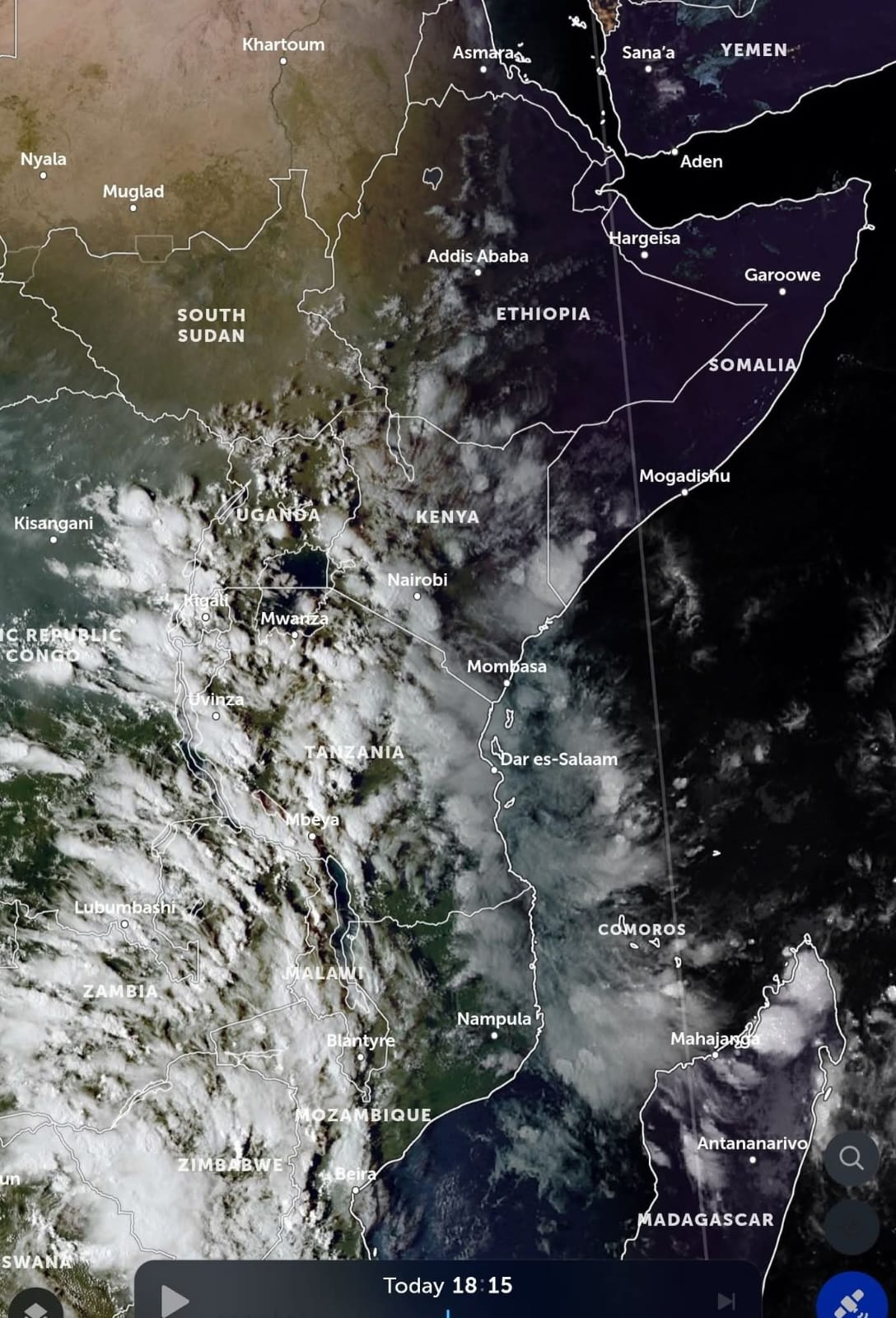
Kenyans have been urged to prepare for days of heavy rainfall as satellite images show large storm clouds moving from Southern and Eastern Africa toward the country. The weather system, which has already caused intense rainfall in countries such as Malawi, Mozambique, Tanzania, and Zambia, is expected to reach Kenya by Thursday.
According to early forecasts, the torrential rains will begin later this week and continue through Sunday. Meteorological patterns further indicate that the rains will temporarily ease before returning again next week, from Wednesday to Friday. This means that the country could experience repeated episodes of heavy downpours within a short period, increasing the risk of flooding, landslides, and disruption of daily activities.
Experts warn that such intense rainfall, often described as cloudbursts, can overwhelm drainage systems, especially in urban areas like Nairobi. Informal settlements and low-lying regions are particularly vulnerable, as water can quickly accumulate and cause floods. Rural areas are also at risk, especially those near rivers, valleys, and hillsides where landslides may occur.
The situation in neighboring countries serves as a warning. Reports from parts of Southern Africa indicate that the heavy rains have already led to flooding, displacement of families, and destruction of infrastructure. Communities in affected regions are struggling with rising water levels, damaged roads, and limited access to essential services. As the same weather system moves northward, similar impacts could be felt in Kenya if proper precautions are not taken.
Authorities are now calling on Kenyans to take early safety measures to reduce risks. Residents living near rivers and riparian lands are strongly advised to move to higher and safer grounds. Floodwaters can rise suddenly, making it dangerous for anyone living close to waterways. Avoiding such areas during this period could save lives.
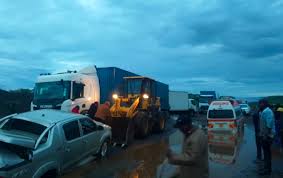
In addition, people are urged to keep off rivers, streams, and flooded roads. Driving during torrential rains is highly discouraged, as visibility becomes poor and roads may be slippery or submerged. Many accidents during heavy rains occur when drivers underestimate the depth of water or the strength of flowing currents.
Pedestrians are also warned against walking through puddles of water. What may appear to be shallow water could be deeper than expected, posing risks of drowning or injury. Open drainage systems hidden beneath floodwater can also be extremely dangerous.
Staying indoors as much as possible during periods of intense rainfall is one of the safest options. Families are encouraged to secure their homes, store essential supplies, and stay informed through weather updates and official advisories.
Beyond Kenya, there is also a call for solidarity with neighboring countries already affected by the rains. Kenyans with relatives or friends in Malawi, Mozambique, Tanzania, and Zambia are encouraged to check on them and offer support where possible. The ongoing rains in these regions highlight the widespread impact of changing weather patterns across Africa.
As the country prepares for the incoming rains, both national and county governments are expected to remain on high alert. Emergency response teams, including rescue services, may be deployed to areas prone to flooding to ensure quick action in case of emergencies.
In conclusion, the approaching heavy rains serve as a reminder of the importance of preparedness and caution. While rainfall is essential for agriculture and water supply, excessive amounts within a short time can pose serious risks. Kenyans are therefore urged to remain vigilant, follow safety guidelines, and prioritize their well-being during this period of extreme weather.