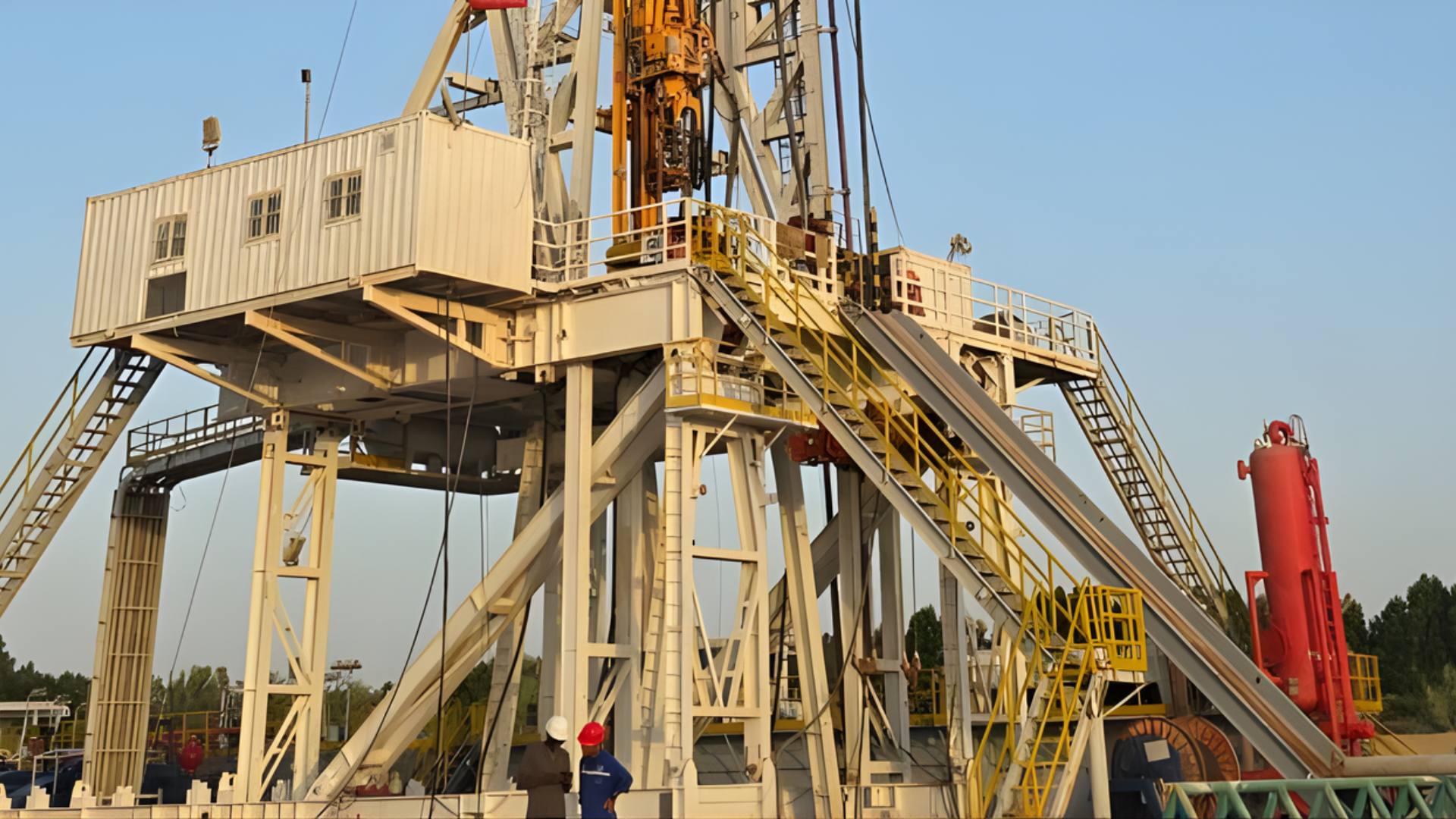
Kenya’s Gulf Energy has rented a state-of-the-art oil rig from the United Arab Emirates valued at Sh1.9 billion to kickstart commercial production from the South Lokichar Basin by December 2026.
The company announced the lease agreement on February 20, 2026, following months of negotiations with a major UAE-based drilling contractor. The rig, a modern jack-up unit equipped for deep drilling in challenging geological formations, is expected to arrive in Mombasa port in the coming weeks before being transported to the Lokichar site in Turkana County.
Gulf Energy Managing Director Mohamed Juma said the rig rental marks a decisive step toward unlocking Kenya’s long-delayed oil potential. “We have waited years for the right combination of regulatory clarity, infrastructure readiness and partner confidence,” Juma stated. “This rig allows us to move from appraisal to full production drilling without further delay. We are targeting first oil by December 2026.”
The South Lokichar Basin, discovered by Tullow Oil in 2012 and later farmed into by Gulf Energy and partners, holds an estimated 560 million barrels of recoverable crude. The first phase of production is planned at 20,000 barrels per day, ramping up to 50,000 bpd as additional wells are brought online and the early production system (EPS) is fully operational. The crude will be trucked to Mombasa for export until the long-proposed Lokichar–Lamu pipeline is constructed.
Juma emphasised that the project will create thousands of direct and indirect jobs, particularly for local Turkana communities through training programmes, supplier contracts and community development initiatives. “This is not just about oil revenue; it is about transforming lives in Turkana and contributing to national energy security,” he added.
The Sh1.9 billion rig lease includes mobilisation, operation for the initial 18 months, crew training and maintenance support. Gulf Energy said it is funding the lease through a mix of equity, partner contributions and project financing discussions with international lenders. The company has already completed front-end engineering design (FEED) for the early production facilities, including well pads, flowlines, central processing facility and export trucking terminal.
Energy Principal Secretary Alex Wachira welcomed the development as a milestone for Kenya’s upstream sector. “The South Lokichar project has the potential to generate significant revenue, create jobs and position Kenya as an oil-producing nation,” Wachira said. “We are working closely with Gulf Energy to ensure all regulatory approvals, environmental safeguards and community benefits are in place.”
The announcement has renewed optimism in Kenya’s oil sector after years of delays due to fiscal terms disputes, community land issues, pipeline financing challenges and global oil price volatility. Gulf Energy acquired operatorship from Tullow Oil in 2023 and has since drilled appraisal wells, conducted seismic surveys and engaged with local communities.
Turkana County Governor Jeremiah Lomorukai said the project offers hope for economic transformation. “Our people have waited long enough,” Lomorukai stated. “We expect meaningful revenue sharing, priority employment for locals and investment in schools, hospitals and water projects. The county government will hold the company accountable to its commitments.”
Environmental groups have called for strict oversight. Kenya Oil and Gas Association Executive Director Phyllis Omido said: “Production must be done responsibly. We need transparent environmental impact assessments, water use plans and spill response mechanisms to protect Lake Turkana and the fragile ecosystem.”
The rig lease is part of Gulf Energy’s accelerated development plan, which includes drilling up to 20 production wells in the first phase, installing artificial lift systems and building a 20,000 bpd early production facility. First oil is targeted for December 2026, with peak production of 50,000 bpd expected by 2028.
The project is expected to generate foreign exchange earnings, create supply chain opportunities and contribute to Kenya’s goal of becoming energy secure. Gulf Energy has committed to local content targets of 70% in procurement and 50% Kenyan staff in technical roles.
As Kenya inches closer to becoming an oil producer, the rig announcement represents a tangible step forward after more than a decade of exploration and appraisal work in the Lokichar Basin.