The government has disbursed KSh 2.54 billion under the January 2026 Inua Jamii payment cycle, directly benefiting more than 1.2 million vulnerable Kenyans across the country.
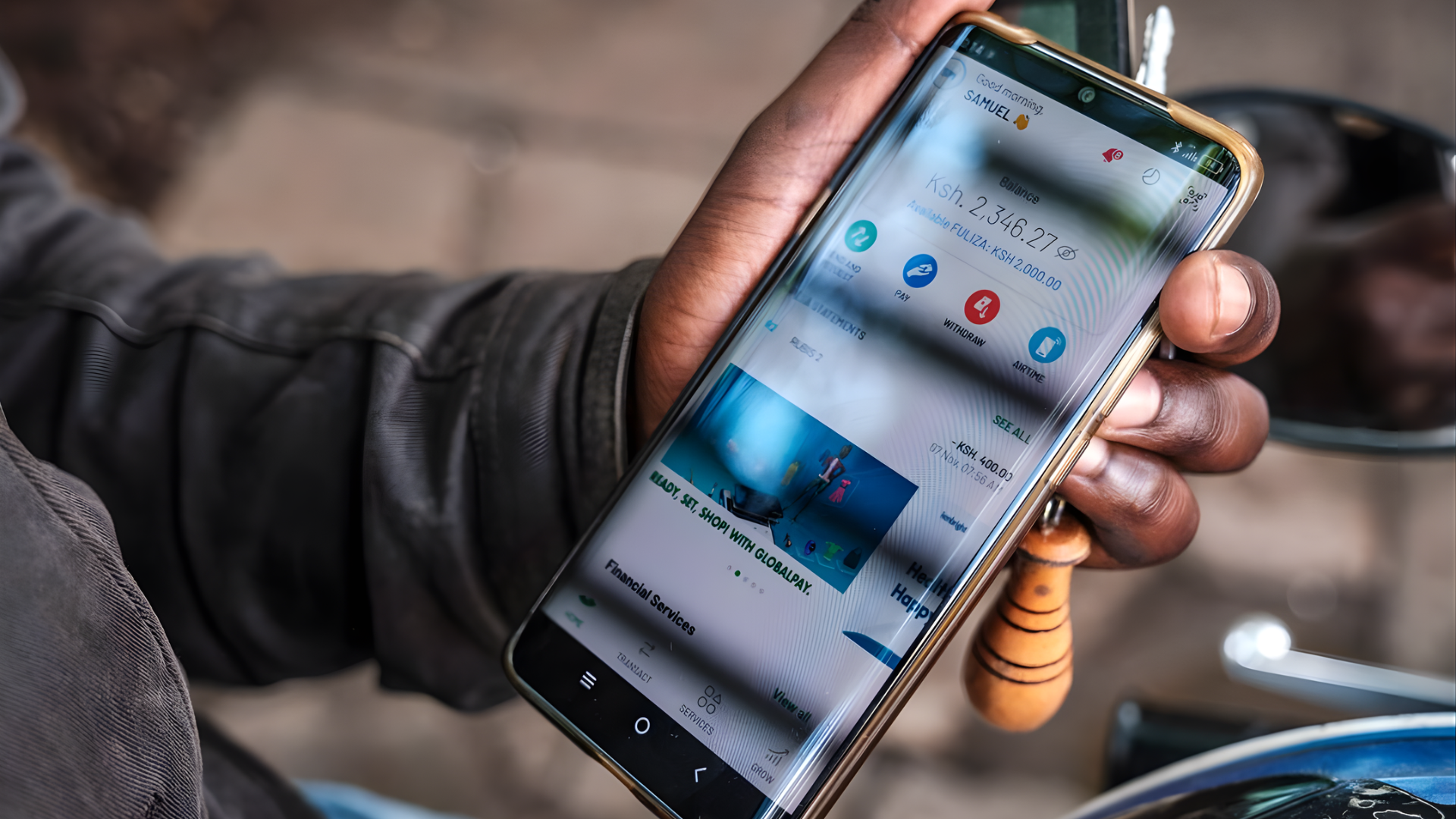
The funds, released on January 3, 2026, represent the first quarterly payout of the year under the flagship social protection programme. Each registered beneficiary received KSh 2,000, transferred seamlessly through the e-Citizen platform and M-PESA, allowing instant access without the need for physical queues or intermediaries.
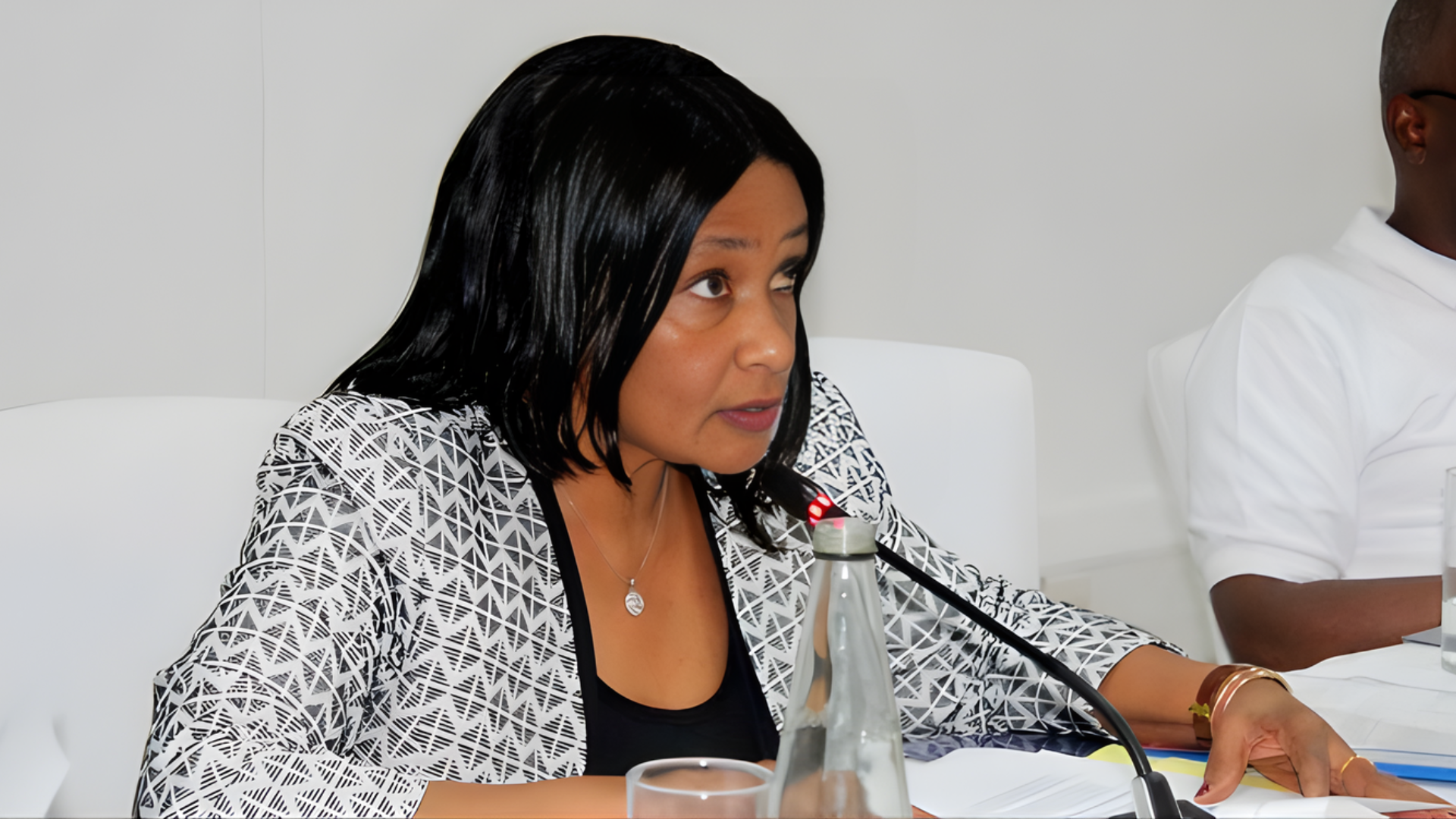
Social Protection Principal Secretary Dr. Roseline Njogu confirmed the disbursement during a brief media address at the Ministry headquarters in Nairobi. “This payment cycle has been executed smoothly and on schedule,” Njogu said. “Over 1.2 million elderly persons, orphans, persons with severe disabilities and other vulnerable groups have received their KSh 2,000 directly into their mobile wallets. This is government support reaching the people who need it most.”
The Inua Jamii programme, previously known as the Older Persons Cash Transfer, Inua Jamii Disability Cash Transfer and Orphans and Vulnerable Children Cash Transfer, has been expanded under the Bottom-Up Economic Transformation Agenda to cover a broader range of vulnerable populations. The quarterly KSh 2,000 per beneficiary translates to KSh 8,000 annually per person, providing critical support for food, healthcare, education and basic household needs.
Dr. Njogu highlighted the role of digital platforms in ensuring efficiency and transparency. “By leveraging e-Citizen for registration and verification and M-PESA for disbursement, we have eliminated ghost beneficiaries, reduced leakages and ensured that every shilling reaches the intended recipient,” she said. “The system also allows real-time tracking, so beneficiaries can confirm receipt instantly.”
Beneficiaries across the country have reported receiving the funds within minutes of the disbursement window opening at midnight on January 3. In rural areas such as Turkana, Garissa and Wajir, where mobile money penetration is high, elders and caregivers expressed relief. “I got the message at 12:15 a.m. and immediately withdrew the money,” said 78-year-old Halima Ibrahim from Dadaab. “This money buys maize flour, sugar and medicine for my grandchildren. May God bless the government.”
The programme currently supports 1,234,567 active beneficiaries as of December 2025, up from 1.1 million in 2024 following the inclusion of more persons with severe disabilities and expanded orphan and vulnerable children categories. The total annual cost of Inua Jamii now exceeds KSh 10 billion, funded through the national budget and supplemented by development partners.
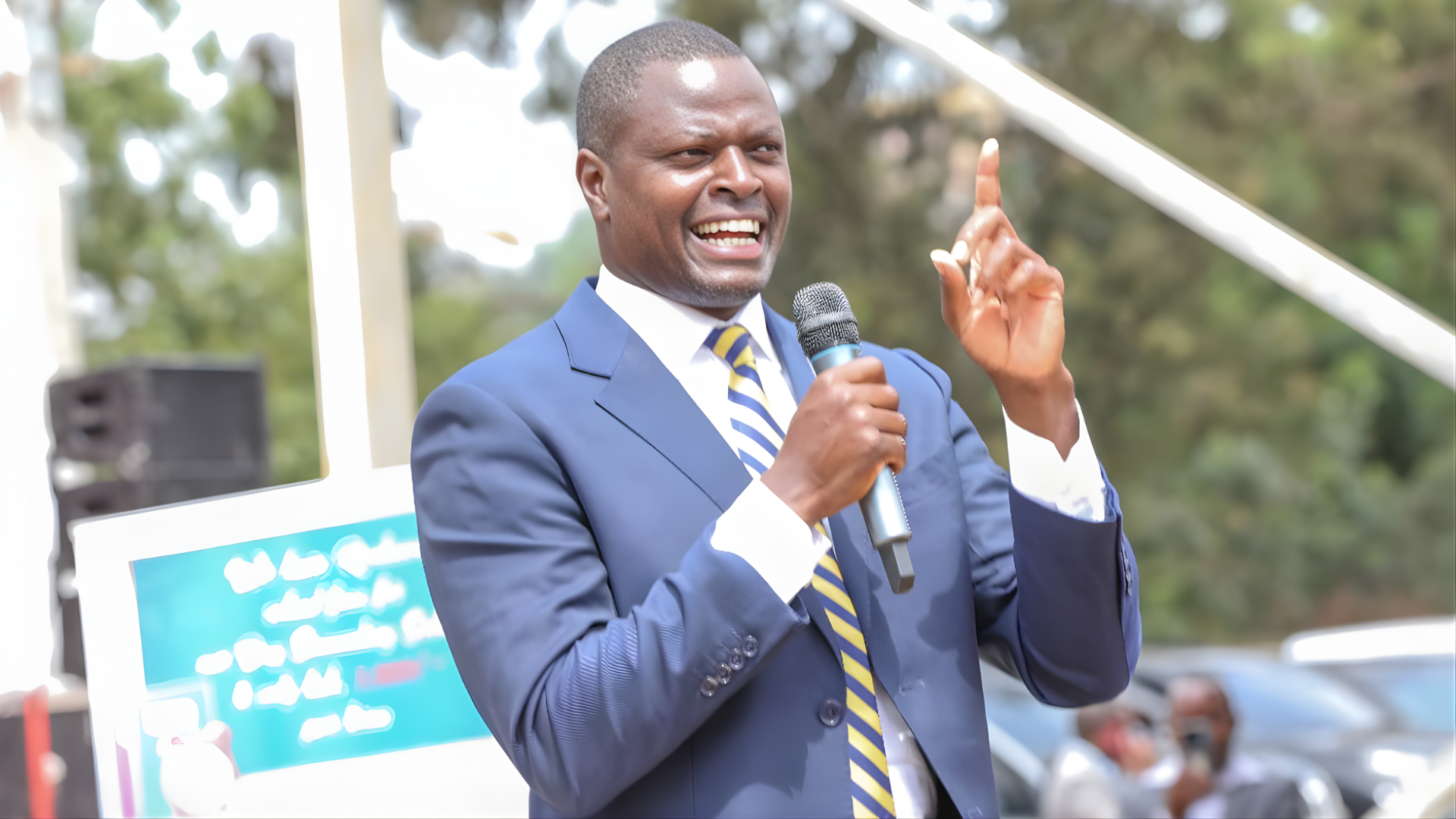
Critics have raised concerns about the adequacy of KSh 2,000 quarterly in the face of inflation and rising living costs. Kenya Kwanza Alliance Youth League chairperson Davis Athias acknowledged the challenge. “We know KSh 2,000 cannot solve everything, but it is a lifeline,” Athias said. “The President has promised progressive increases as the economy grows. This is not the end; it is part of a journey to more robust social protection.”
The disbursement also comes amid ongoing efforts to clean up the beneficiary register. In 2025, the government removed over 150,000 ghost and ineligible beneficiaries, saving approximately KSh 1.2 billion annually. “We continue to use biometric verification and community validation to ensure only genuine beneficiaries remain,” Dr. Njogu added.
Local administrators have been directed to monitor the impact of the funds and report any misuse or diversion. In counties like Kisumu, Mombasa and Nairobi, chiefs and village elders have been mobilised to conduct spot checks and assist beneficiaries with M-PESA withdrawals.
The Ministry of Labour and Social Protection has also launched a toll-free helpline (0800 724 600) for beneficiaries to report delays, incorrect amounts or harassment during withdrawal. “We want every Kenyan who qualifies to receive their money without hassle,” Njogu said.
As the government continues to scale up social protection, the January 2026 Inua Jamii disbursement reinforces its commitment to cushioning vulnerable populations amid economic pressures. With over 1.2 million households directly supported, the programme remains one of the largest and most impactful cash transfer initiatives in East Africa.