 Wambui Faith
Understanding Gastroenteritis: Causes, Symptoms, Treatment, and Prevention
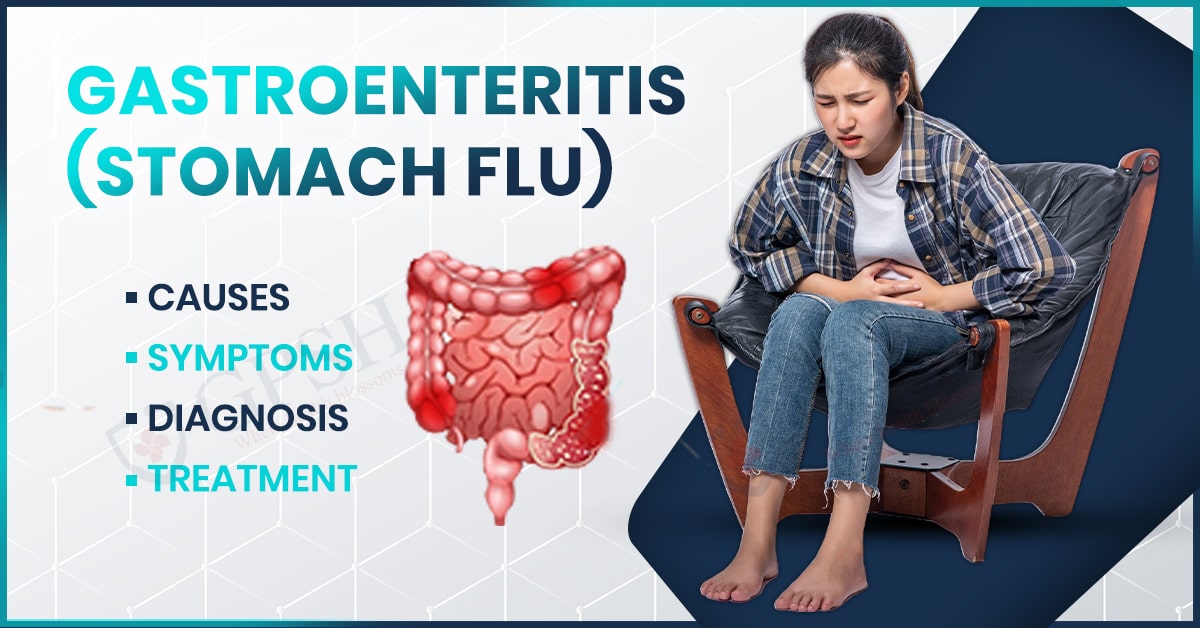
Gastroenteritis is a common yet potentially serious condition characterized by inflammation of the stomach and intestines. Often referred to as “stomach flu,” it is not related to influenza but is primarily caused by infections that affect the digestive tract. It presents with symptoms such as diarrhea, vomiting, and abdominal discomfort, and can affect individuals of all ages—though children and the elderly are particularly vulnerable.
What Causes Gastroenteritis?
Gastroenteritis can result from a variety of infectious agents, broadly categorized into viral, bacterial, and parasitic causes.
1. Viral Causes (Most Common)
Viruses are the leading cause of gastroenteritis worldwide. Key examples include:
Rotavirus – a major cause of severe diarrhea in infants and young children.
Norovirus – often responsible for outbreaks in crowded settings such as schools and hospitals.
2. Bacterial Causes
Bacterial infections are often linked to contaminated food or water. Common bacteria include:
Escherichia coli
Salmonella
Shigella
3. Parasitic Causes
Parasitic infections are more common in areas with poor sanitation:
Giardia lamblia
Entamoeba histolytica
Clinical Features;
The symptoms of gastroenteritis can range from mild to severe, depending on the cause and the individual’s health status. Common signs include:
Frequent diarrhea (which may be watery or bloody)
Nausea and vomiting
Abdominal cramps and discomfort
Fever
Signs of dehydration such as dry mouth, sunken eyes, fatigue, and reduced urine output
Dehydration is the most dangerous complication and requires immediate attention, especially in children.
Types of Gastroenteritis;
Gastroenteritis is classified based on how long the symptoms persist:
Acute Gastroenteritis: Lasts less than 14 days
Persistent Gastroenteritis: Lasts between 14 and 30 days
Chronic Gastroenteritis: Persists for more than 30 days
Understanding the duration helps guide further investigations and treatment.
Diagnosis and Investigations;
In most cases, gastroenteritis is diagnosed clinically based on symptoms and patient history. However, additional tests may be required in severe or prolonged cases:
Stool Examination: To identify bacteria, parasites, or blood
Electrolyte Tests: To assess dehydration and imbalances
Management and Treatment;
Effective management focuses on relieving symptoms and preventing complications.
1. Rehydration – The Cornerstone of Treatment
Oral Rehydration Solution (ORS) is the first line of treatment
Intravenous (IV) fluids may be necessary in severe dehydration
2. Nutrition
Continue feeding, especially in children, to maintain strength
Avoid fatty, spicy, or hard-to-digest foods
3. Medications
Antiemetics to control vomiting
Antibiotics only when a bacterial cause is confirmed or strongly suspected
Zinc supplementation, particularly beneficial for children, to reduce the duration and severity of diarrhea
Possible Complications;
If not properly managed, gastroenteritis can lead to serious health issues, including:
Severe dehydration
Electrolyte imbalance
Shock in extreme cases
Prompt treatment significantly reduces the risk of these complications.
Prevention Strategies;
Preventing gastroenteritis largely depends on maintaining proper hygiene and sanitation:
Regular hand washing with soap and clean water
Drinking safe, treated water
Proper food handling and hygiene practices
Vaccination, especially against rotavirus in children
Final Thought;
Gastroenteritis, though common, should never be taken lightly. Early recognition, proper hydration, and timely medical care can make a significant difference in recovery. With simple preventive measures and awareness, the spread and severity of this condition can be greatly reduced.
Stay mindful, stay hygienic, and protect your health—because even the smallest habits can guard you against the biggest risks.
Gastroenteritis is a common yet potentially serious condition characterized by inflammation of the stomach and intestines. Often referred to as “stomach flu,” it is not related to influenza but is primarily caused by infections that affect the digestive tract. It presents with symptoms such as diarrhea, vomiting, and abdominal discomfort, and can affect individuals of all ages—though children and the elderly are particularly vulnerable.
What Causes Gastroenteritis?
Gastroenteritis can result from a variety of infectious agents, broadly categorized into viral, bacterial, and parasitic causes.
1. Viral Causes (Most Common)
Viruses are the leading cause of gastroenteritis worldwide. Key examples include:
Rotavirus – a major cause of severe diarrhea in infants and young children.
Norovirus – often responsible for outbreaks in crowded settings such as schools and hospitals.
2. Bacterial Causes
Bacterial infections are often linked to contaminated food or water. Common bacteria include:
Escherichia coli
Salmonella
Shigella
3. Parasitic Causes
Parasitic infections are more common in areas with poor sanitation:
Giardia lamblia
Entamoeba histolytica
Clinical Features;
The symptoms of gastroenteritis can range from mild to severe, depending on the cause and the individual’s health status. Common signs include:
Frequent diarrhea (which may be watery or bloody)
Nausea and vomiting
Abdominal cramps and discomfort
Fever
Signs of dehydration such as dry mouth, sunken eyes, fatigue, and reduced urine output
Dehydration is the most dangerous complication and requires immediate attention, especially in children.
Types of Gastroenteritis;
Gastroenteritis is classified based on how long the symptoms persist:
Acute Gastroenteritis: Lasts less than 14 days
Persistent Gastroenteritis: Lasts between 14 and 30 days
Chronic Gastroenteritis: Persists for more than 30 days
Understanding the duration helps guide further investigations and treatment.
Diagnosis and Investigations;
In most cases, gastroenteritis is diagnosed clinically based on symptoms and patient history. However, additional tests may be required in severe or prolonged cases:
Stool Examination: To identify bacteria, parasites, or blood
Electrolyte Tests: To assess dehydration and imbalances
Management and Treatment;
Effective management focuses on relieving symptoms and preventing complications.
1. Rehydration – The Cornerstone of Treatment
Oral Rehydration Solution (ORS) is the first line of treatment
Intravenous (IV) fluids may be necessary in severe dehydration
2. Nutrition
Continue feeding, especially in children, to maintain strength
Avoid fatty, spicy, or hard-to-digest foods
3. Medications
Antiemetics to control vomiting
Antibiotics only when a bacterial cause is confirmed or strongly suspected
Zinc supplementation, particularly beneficial for children, to reduce the duration and severity of diarrhea
Possible Complications;
If not properly managed, gastroenteritis can lead to serious health issues, including:
Severe dehydration
Electrolyte imbalance
Shock in extreme cases
Prompt treatment significantly reduces the risk of these complications.
Prevention Strategies;
Preventing gastroenteritis largely depends on maintaining proper hygiene and sanitation:
Regular hand washing with soap and clean water
Drinking safe, treated water
Proper food handling and hygiene practices
Vaccination, especially against rotavirus in children
Final Thought;
Gastroenteritis, though common, should never be taken lightly. Early recognition, proper hydration, and timely medical care can make a significant difference in recovery. With simple preventive measures and awareness, the spread and severity of this condition can be greatly reduced.
Stay mindful, stay hygienic, and protect your health—because even the smallest habits can guard you against the biggest risks.