 Diana Muthini
Wiper Wars: Big Names Face Off Ahead of 2027 Battles
As Kenya edges closer to the 2027 general elections, political observers are keeping a close eye on the Wiper Democratic Movement–Kenya (WDM-K), a party whose influence in Eastern Kenya has historically shaped national outcomes. What was once considered a regional powerhouse has now emerged as a key player in the broader political calculus, with internal contests, leadership ambitions, and alliance strategies setting the stage for what insiders are calling the “Wiper Wars.”
The stakes could not be higher. For Wiper, the coming years will test its ability to maintain unity, manage competing ambitions, and navigate the increasingly complex web of Kenyan coalition politics. The party’s choices could determine whether it remains a kingmaker in national elections or risks losing its influence to more assertive competitors.
A Party with a History of Influence
Founded in the late 1990s by leaders allied to Raila Odinga, Wiper quickly became the dominant political force in Eastern Kenya. Its strongholds—Machakos, Kitui, and Makueni counties—have provided a reliable vote bank, allowing the party to influence coalition negotiations and presidential outcomes. Over the years, Wiper has balanced grassroots politics with national relevance, playing a pivotal role in key coalitions while ensuring that its internal leadership structures remained influential.
The party’s historical significance lies not just in its regional dominance but in its ability to act as a kingmaker. By aligning strategically with larger coalitions, Wiper has ensured that it punches above its weight, influencing policy, appointments, and even presidential trajectories.
Key Figures in the 2027 Battle
The Wiper leadership arena is now crowded with seasoned politicians and emerging leaders, each jockeying for influence ahead of 2027:
Wycliffe Oparanya – The Grassroots Powerhouse
Veteran politician Wycliffe Oparanya has cultivated strong support at the grassroots level. His achievements in local governance and development projects across key counties have made him a respected figure among party stalwarts and voters alike. Oparanya’s ability to rally support could prove decisive, especially in county nominations and in shaping which candidates receive the party’s endorsement for national positions.
Kithure Kindiki – The Rising National Figure
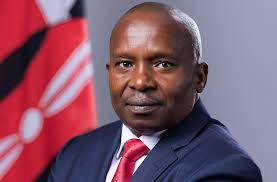
Kithure Kindiki, currently serving as Deputy President, has steadily increased his influence within Wiper. His appeal extends beyond the party’s traditional base, resonating with youth and professionals seeking more dynamic political leadership. Kindiki’s legislative experience and national visibility position him as a potential kingmaker, capable of influencing both party direction and coalition strategies.
The Emerging Leaders – Wiper’s New Guard
Beyond the veterans, a wave of younger MPs and senators is asserting itself. These leaders leverage digital campaigns, social media influence, and public engagement to build their profiles. Their emergence signals a generational shift, potentially redefining Wiper’s leadership and strategy as the party seeks to appeal to a broader, more urban and tech-savvy electorate.
Internal Tensions and Strategy Debates
While the public face of Wiper projects unity, behind the scenes, tensions are rising. Factions within the party are debating strategy, endorsements, and alliances. Some advocate for close collaboration with the ruling government to secure development projects and national appointments. Others argue for maintaining independence, preserving Wiper’s negotiating leverage and identity.
These debates are unfolding across county committees, party structures, and informal networks. With parliamentary nominations, county leadership positions, and presidential endorsements at stake, the next three years promise intense negotiations and political maneuvering. Analysts note that the ability to manage these internal dynamics will be crucial to the party’s success in 2027.
Grassroots Mobilization: Wiper’s Lifeline
A defining feature of Wiper’s current strategy is a focus on grassroots mobilization. Leaders like Oparanya are leveraging county-level structures to consolidate loyalty, maintain engagement, and ensure a steady support base. Community meetings, development initiatives, and constituency outreach are central to this approach.
In addition, the party is emphasizing youth and women empowerment. Targeted programs, digital campaigns, and social initiatives are being deployed to broaden Wiper’s base beyond its traditional rural strongholds. This dual strategy—balancing legacy voters with emerging demographics—is designed to strengthen the party’s position in 2027 and secure its relevance for future elections.
Alliances and National Implications
Wiper’s internal positioning has far-reaching consequences for Kenya’s national politics. The party’s decisions regarding alliances and endorsements could shape opposition strategies, influence presidential campaigns, and affect parliamentary outcomes. Political analysts suggest that Wiper may once again act as a kingmaker, leveraging its regional strength to negotiate favorable deals in national coalitions.
However, internal divisions risk weakening this leverage. Public disputes or contested nominations could erode confidence among voters and coalition partners. Maintaining cohesion, while balancing competing ambitions, will be critical to ensuring that Wiper remains a central player in Kenya’s political landscape.
Looking Ahead: The Road to 2027
The “Wiper Wars” are more than internal party politics—they are a reflection of Kenya’s evolving political environment. The party’s ability to manage leadership contests, generational shifts, and alliance strategies will determine not only its own trajectory but also its influence on national politics.
For voters, political commentators, and rival parties, the coming years offer a window into Wiper’s strategic mind. Every move, every negotiation, and every endorsement will signal how the party intends to shape the political landscape ahead of 2027.
As Wiper navigates this complex terrain, one thing is certain: the next three years will define the party’s relevance, test its unity, and determine whether it remains a kingmaker or becomes sidelined in Kenya’s political story. The stage is set, the players are in position, and the battle for influence has begun.