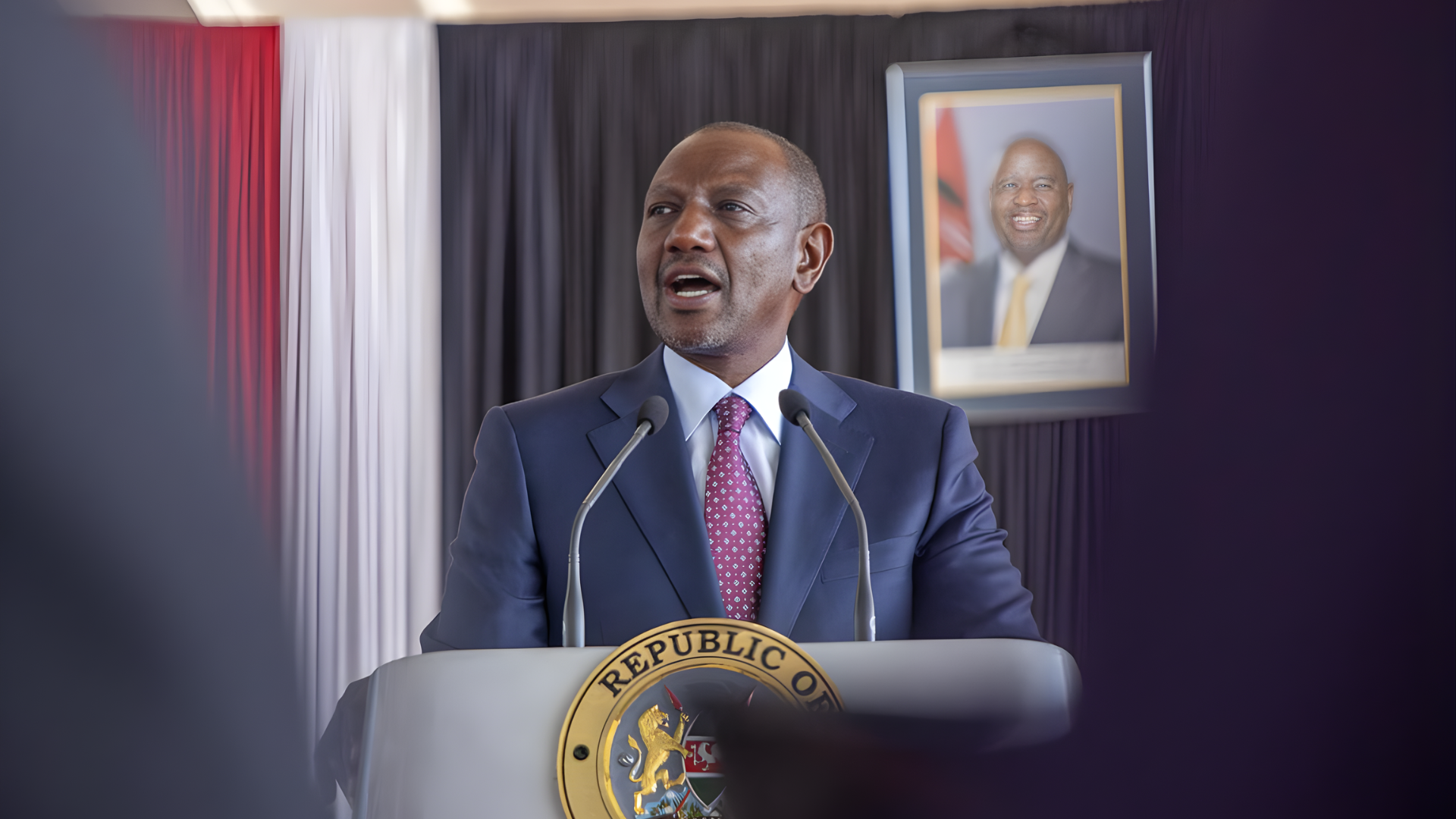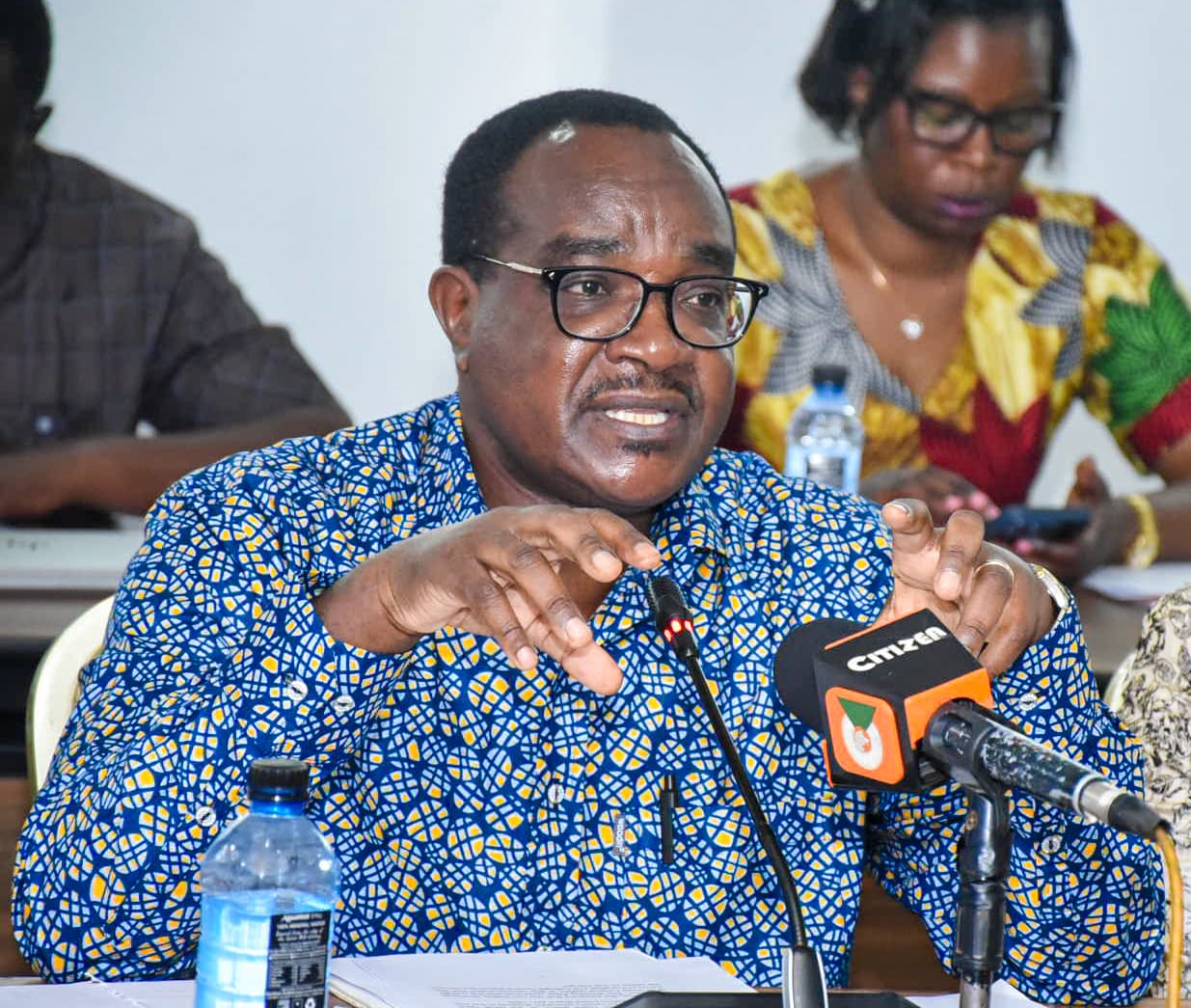
The dusty playgrounds of public day secondary schools across Kenya, where students in faded uniforms chase makeshift balls during lunch breaks and teachers juggle overcrowded classrooms with chalk-stained fingers, are poised for a seismic shift that has parents clutching their wallets in quiet alarm. On a crisp November morning in 2025, as the Ministry of Education unveiled its revised funding guidelines for the 2026 academic year at a packed stakeholders' forum in Nairobi's KICC amphitheater, Basic Education Principal Secretary Julius Jwan stood before a sea of headteachers, parents' association chairs, and union officials to announce a capitation cut that sliced through the air like a cold wind. The per-student allocation for free day secondary education, a cornerstone of the 100 percent transition policy since 2018, has been slashed from Sh22,244 to a stark Sh12,870—a 42 percent reduction that marks the first time in years parents of day scholars will shoulder direct fees under the new Competency-Based Education rollout for senior school. "This adjustment aligns resources with the realities of the CBE framework, where pathways demand differentiated investments," Jwan explained, his voice steady amid murmurs rippling through the hall. "Day schools will receive core capitation for essentials, but parents contribute to pathway-specific costs—ensuring equity without compromising quality."
The revelation, detailed in a 45-page circular distributed to the 8,000-plus public secondary institutions, dovetails with the inaugural cohort of Junior Secondary School learners—those who entered Grade 7 in 2023 under the 2-6-3-3-3 system—transitioning to senior school in January 2026. For boarding students, the ministry has pegged tuition at Sh53,554 annually, covering boarding, learning materials, and activity fees, with capitation supplementing infrastructure and personnel. Day scholars, however, face a novel burden: direct parental contributions estimated at Sh5,000 to Sh15,000 per term, varying by pathway—STEM, arts, or sports—and school needs, a departure from the fully subsidized model that had shielded 3.2 million day students since the free day secondary policy's inception. "We've subsidized to the hilt for years; now, CBE's personalized learning requires targeted inputs—labs for STEM, studios for arts—that core capitation can't fully fund," Jwan elaborated, gesturing to charts projecting Sh120 billion in total senior school allocations for 2026, up 15 percent from 2025 but redistributed unevenly. "Parents aren't paying tuition per se; they're co-investing in their child's pathway, with waivers for the vulnerable."
The forum, a mandatory consultation under the Basic Education Act, unfolded like a tense negotiation, with Kenya Secondary Schools Heads Association chairperson Willy Kuria taking the microphone to voice the sector's unease. "Sh12,870 barely covers a teacher's chalk and a student's desk—how do we bridge to CBE's labs and ICT without chasing parents away?" Kuria pressed, his question echoing the concerns of 1,200 day school principals who had submitted memos decrying the cut's timing amid inflation's bite. A parent from Kisumu's Nyamasaria Day Secondary, 45-year-old market vendor Agnes Omondi, clutched a crumpled guideline, her voice trembling as she addressed the panel. "We voted for free education; now, Sh5,000 a term means my son skips meals or drops out—where's the 100 percent transition you promised?" she asked, her words met with nods from rural delegates whose schools serve 70 percent of day scholars from households earning under Sh20,000 monthly. Jwan, unflinching, countered with safeguards: a Sh10 billion hardship fund for 500,000 needy students, means-tested via the National Education Management Information System, and capitation top-ups for schools in ASALs and slums. "No child left behind—that's the covenant; contributions are capped at 20 percent of pathway costs, with bursaries absorbing the rest," he assured, his tablet aglow with disbursement models.
The capitation calculus traces to the Competency-Based Curriculum's senior school phase, launched nationally in 2026 after JSS pilots from 2023. Unlike the uniform 8-4-4 structure, CBE bifurcates senior school into three pathways: STEM for sciences and engineering, social sciences and arts for humanities, and sports science for talents—a flexibility demanding specialized facilities. Day schools, 60 percent of public secondaries hosting 4.1 million learners, had relied on Sh22,244 capitation since 2018—Sh15,000 for tuition, Sh4,000 for infrastructure, Sh3,244 for activities—fully subsidizing operations. The slash to Sh12,870 reallocates: Sh8,000 core operations, Sh3,000 infrastructure, Sh1,870 activities, with Sh9,374 "deficit" shifted to parents for pathway enablers like lab kits (Sh2,000), digital devices (Sh3,500), or art supplies (Sh1,800). "CBE isn't one-size-fits-all; it's tailored—day parents fund the tail, government the core," Education Cabinet Secretary Ezekiel Machogu had previewed in a September 2025 parliamentary briefing, his defense framing the cut as "fiscal prudence" amid a Sh3.9 trillion national budget straining under debt service.
Boarding schools, enrolling 1.8 million, face a consolidated Sh53,554 fee—Sh30,000 boarding, Sh15,000 tuition, Sh8,554 materials—up from fragmented levies but standardized nationwide, with capitation at Sh25,000 per student bolstering staffing and maintenance. "Boarders get full immersion; the fee reflects that—meals, dorms, supervision," Jwan noted, contrasting with day scholars' home-based logistics. The disparity has sparked equity debates: urban day schools in Westlands demand Sh12,000 contributions for STEM labs, while rural ones in Turkana cap at Sh3,000 for basic kits. "My daughter chose arts; Sh6,000 for drama props feels fair, but neighbors in STEM pay double—will pathways widen gaps?" pondered Nairobi parent Jane Muthoni during a breakout session, her concern shared by unions fearing teacher poaching to better-funded paths.
The policy's rollout, phased from Term 1 2026, hinges on infrastructure audits completed in October 2025: 2,500 day schools flagged for STEM upgrades, 1,800 for arts studios, 900 for sports fields. A Sh45 billion World Bank loan, disbursed via the Secondary Education Quality Improvement Project, funds 60 percent, with parental fees bridging 25 percent and capitation 15 percent. "We've equipped 4,000 schools with ICT since 2023; now, parents sustain the ecosystem," Machogu rallied at a Kisii harambee, his pitch tying fees to Talanta Hela's sports pathway where Sh53,554 boarders access national trials. Safeguards abound: the National Government Constituency Development Fund allocates Sh50 million per constituency for bursaries, targeting 40 percent coverage; the Higher Education Loans Board extends secondary micro-loans at 4 percent interest; and school-based waiver committees, chaired by parents, vet hardships. "No fees, no exclusion—principals enforce or face sanctions," warned Kenya National Union of Teachers secretary Wilson Sossion, his union negotiating a Sh2,000 teacher allowance for CBE facilitation.
Parents' reactions cascade like a Rift Valley waterfall, from resignation to revolt. In Eldoret's Kapseret Day Secondary, where 1,200 students cram 40-per-class benches, PTA chair David Kiprop convened an emergency baraza under a mango tree. "Sh12,870 capitation means we fund desks ourselves—Sh5,000 per parent buys 50; without it, kids sit on floors," Kiprop calculated, his ledger open to skeptical farmers. Omondi, back in Kisumu, rallied a saccos of 200 mothers, pooling Sh1,000 monthly for a hardship kitty. "Government says co-invest; we say co-survive—fees or not, our children learn," she vowed, her group petitioning MPs for Sh22,244 restoration. In Mombasa's Likoni, where day schools serve fishing communities, principal Amina Hassan anticipates 15 percent dropouts. "Pathway choices excite, but fees frighten—Sh8,000 for sports gear means talents rust," Hassan confided over tea, her enrollment projections dipping to 85 percent.
The cut's fiscal roots delve into Treasury's 2025/2026 constraints: education's Sh628 billion slice, 18 percent of the budget, competes with Sh1.2 trillion debt service and Sh300 billion infrastructure. Free day secondary, costing Sh120 billion annually for 4.1 million, had ballooned 25 percent since 2020 amid enrollment surges from JSS. "Sustainability demands sharing—CBE's Sh200 billion five-year tag can't ride government alone," Treasury PS Chris Kiptoo defended in a joint presser, his graphs showing parental fees generating Sh45 billion yearly. Critics like the Kenya Parents Association's chairperson Silas Obuh decry " stealth privatization." "Free education was a pledge; this is a pivot—Sh12,870 starves day schools while boarding blooms at Sh53,554," Obuh thundered at a November 6 rally in Uhuru Park, 5,000 parents waving placards demanding reversal.
Pathway nuances add layers: STEM, chosen by 55 percent of pilots, demands Sh10,000-15,000 in kits; arts Sh5,000-8,000 for materials; sports Sh8,000-12,000 for gear. Day schools, lacking boarding revenue, lean heaviest on parents, prompting KeSPA proposals for corporate sponsorships—Safaricom's Sh5 billion pledge for ICT in 1,000 schools. "Business bridges gaps; parents aren't ATMs," Kuria lobbied during the forum, his pitch securing a ministry taskforce for public-private models. Jwan, closing the session, pledged transparency: fee guidelines published December 2025, hotlines for complaints, audits quarterly. "CBE empowers choices; funding follows suit—core free, excellence shared," he summarized, his handshake with Kuria a fragile truce.
As November's academic calendars flip to 2026 preparations, schools buzz with pathway orientations: STEM labs in Thika humming with microscopes, arts studios in Nyeri sketching murals, sports fields in Kericho marking pitches. Kiprop in Eldoret tallies PTA pledges—Sh3 million for desks; Omondi in Kisumu enrolls 50 in saccos bursaries; Hassan in Likoni scouts donor kits. For the 1.5 million JSS cohort ascending, senior school dawns differentiated: boarders at Sh53,554 immersing fully, day scholars at Sh12,870 core plus contributions tailoring dreams. Muthoni's daughter, eyeing drama, budgets Sh6,000; a neighbor's son in STEM scrapes Sh12,000. "Fees fracture or forge—depends on the fund," Muthoni muses, her savings jar labeled "Pathway."
In Kenya's educational evolution, where 2-6-3-3-3 supplants 8-4-4's rigidity, the capitation cut stands as pivot: from uniform subsidy to stratified support, government footing basics, parents fueling futures. Jwan's circular, now dog-eared in staffrooms, charts not just shillings but shifts—a curriculum where competency costs, equity endures through exemptions, and transition's 100 percent hinges on shared shoulders. As bells ring for 2026, the playgrounds await: balls bouncing higher in funded paths, or fading in fee's shadow—Kenya's children, capitation in hand, stepping into a senior school where free meets fee, core meets choice.
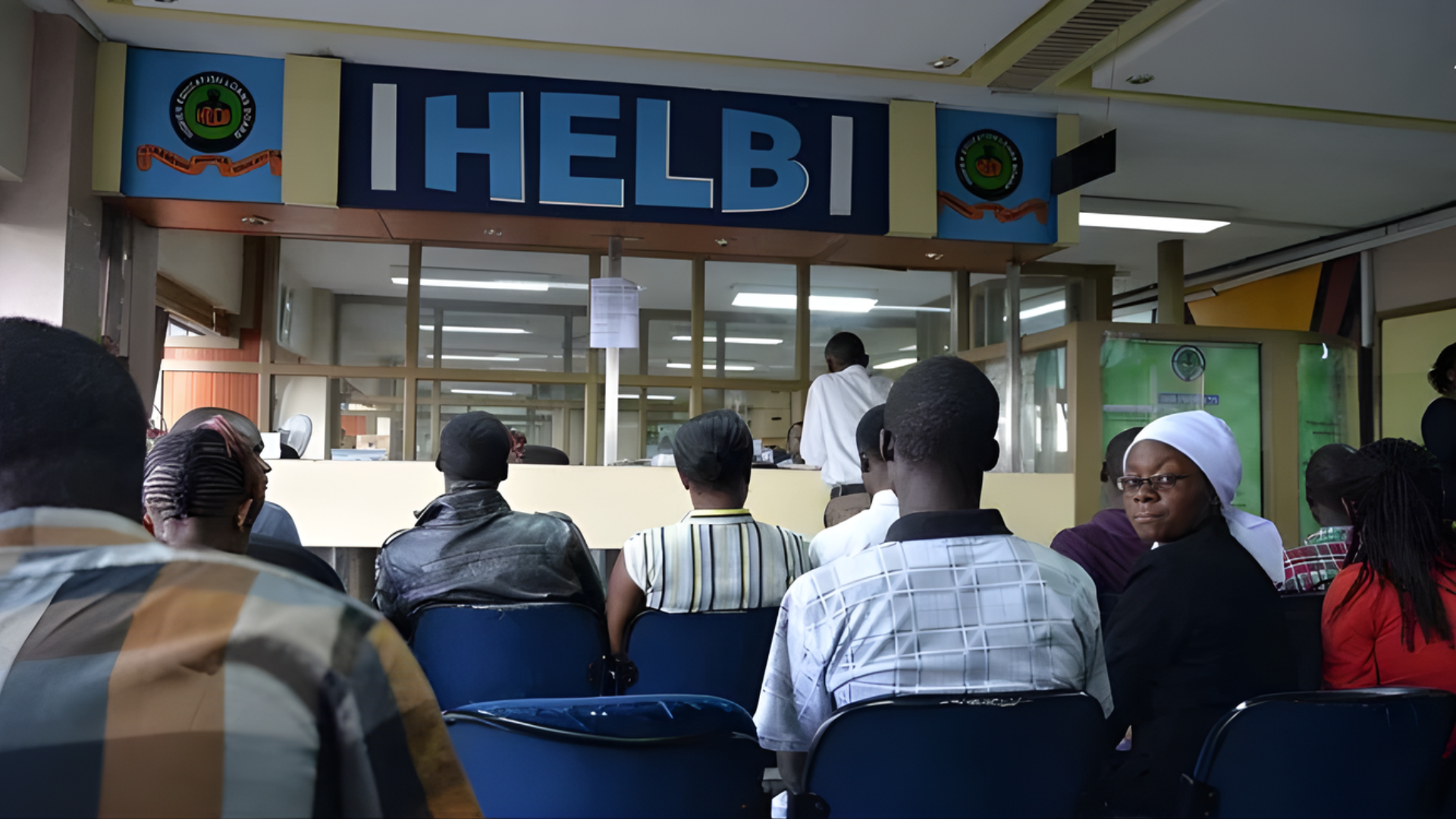
The guidelines' fine print unveils flexibilities: contributions payable termly, instalments via M-Pesa school paybills, waivers for orphans at 100 percent. World Bank's SEQIP, extended to 2028, injects Sh20 billion for day school labs, prioritizing 2,000 institutions. HELB's secondary loans, piloted in 2024 for 50,000, scale to 200,000 at Sh5,000 averages. NG-CDF's Sh2.5 million per school for infrastructure eases burdens. Sossion's KNUT secures Sh1,500 monthly CBE stipends for 50,000 teachers, offsetting workload. Obuh's association launches a "Fee Watch" app, tracking contributions, flagging excesses.
Stakeholder echoes vary: Machogu, touring Kitui, hails "parental ownership"; Sakaja in Nairobi pledges county Sh5 billion for urban day upgrades. Rural MPs like Kisumu's James Nyikal decry "ASAL abandonment," lobbying Sh5,000 top-ups. Corporate Kenya stirs: Equity Bank's Sh2 billion for STEM scholarships, KCB's Sh1.5 billion for arts. For Agnes and Jane, the math materializes: saccos savings, donor drives, waiver forms. "CBE dreams big; we budget bigger," Agnes laughs, her jar filling. In the republic's resilient classrooms, where chalk meets choice, the Sh12,870 capitation endures as equation—government plus parents equals pathways, a sum where senior school's dawn demands shared dawn.