 WEKESA KULECHO
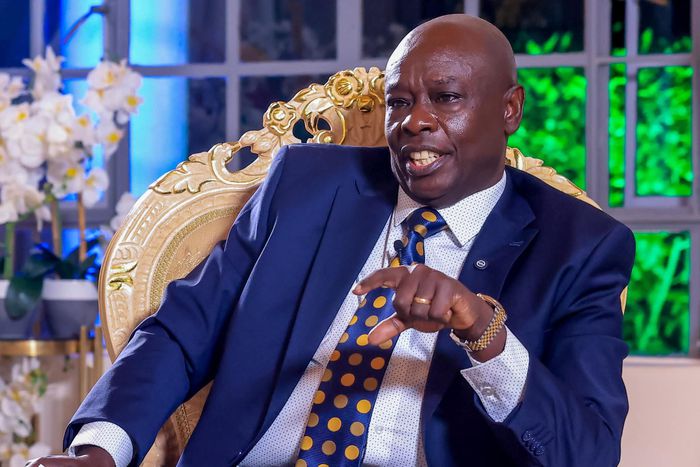
In the fast-changing terrain of Kenyan politics, Rigathi Gachagua has remained a central figure following his impeachment as Deputy President and his subsequent launch of the Democracy for Citizens Party (DCP) — a new political force positioning itself as a key player ahead of the 2027 general elections.
Reasserting Political Relevance Through DCP
Gachagua officially launched the DCP in mid-2025 as a social-democratic alternative to Kenya’s dominant political blocks, pledging that the party would champion citizen interests, broaden political participation, and challenge established parties.
Despite being a new outfit, DCP’s leader has made bold claims about the party’s prospects. In late 2025, Gachagua publicly stated that the DCP — barely seven months old — would not only be competitive but could dominate and form government after the 2027 polls, underlining his ambition to shake up Kenya’s political order.
Building the Party’s Profile and Structure
Recent weeks have seen Gachagua working on consolidating his party’s structure and appeal:
- DCP announced it will hold free and fair primaries ahead of the 2027 elections, a move widely interpreted as an attempt to build a credible democratic reputation and avoid accusations of favouritism in candidate nominations.
- In early February 2026, Nelson Havi, the former Law Society of Kenya (LSK) president, defected to the DCP and aligned himself publicly with Gachagua’s leadership as he eyes a parliamentary seat in Westlands — a sign that DCP is attracting high-profile defectors.
These developments suggest active recruitment and strategic positioning, with Gachagua aiming to broaden the party’s appeal beyond his native Mt. Kenya political stronghold.
Unity and Coalition Politics
Gachagua has also been vocal on broader political alignment. He has articulated support for a united opposition front against the incumbent government, stressing that opposition cooperation is key to “liberating Kenya” ahead of 2027. This messaging underscores his desire to shape coalition politics, not just DCP’s internal profile.
Added to this are claims — though unverified — from opposition allies like Cleophas Malala that retired President Uhuru Kenyatta is working closely with Gachagua on strategic political alignment across the Mount Kenya bloc. These narratives are part of ongoing jockeying for influence within Kenya’s broader anti-incumbent forces.
Controversies and Confrontations
Gachagua’s tenure as DCP leader has not been without turbulence:
- There have been reports and viral claims about violent incidents during some of his movements, including attacks on gatherings where he was present. While some accounts circulate on social media, they remain contested and politically charged, often involving differing narratives from supporters and detractors.
- Despite pushback and political heat from rivals, Gachagua continues to portray himself as a leader unafraid of confrontation, particularly against what he perceives as government overreach or intimidation of political opposition. Recent rhetoric includes strong warnings to the administration over perceived threats to former President Uhuru’s stature and criticisms of governance failures.
DCP’s Policy and Electoral Positioning
As the 2027 election cycle deepens, DCP under Gachagua has been evolving its messaging:
- The party is positioning itself as a vehicle for “citizen empowerment” and accountability, critiquing the current government for alleged failures and promising reforms if elected.
- Calls from DCP leaders for investigations into state-sponsored disruptions at opposition rallies reflect a campaign narrative framing the party as a defender of democratic freedoms and the rights of political expression.
Strategic Challenges and Future Outlook
While ambition is high, Gachagua and the DCP face significant political challenges:
- Establishing a credible national footprint in a landscape dominated by well-established parties requires both strategic alliances and grassroots structures.
- The dynamics of Kenya’s opposition coalitions continue to shift, with negotiations ongoing among various political actors about forming effective blocs to challenge the incumbent. Gachagua’s role in these negotiations — and whether DCP stands independently or as part of a coalition — will be a major story to watch.
- There are also questions about how the party’s leadership style and public positioning will resonate with voters outside traditional strongholds.
Conclusion: A Leader in Transition, Building a New Political Path
As Kenya heads into a decisive election year, Rigathi Gachagua’s leadership of the DCP is shaping up to be one of the most watched political narratives outside the mainstream parties. His efforts to recruit influential figures, push for internal democracy, and frame the party as a serious contender are actively reshaping the political landscape. Yet, with rival narratives, contested public perceptions, and the challenges of building a new party apparatus, the path ahead is richly contested and uncertain — embodying the high stakes of Kenya’s vibrant and often unpredictable democratic politics as 2027 draws near.