 Faith Masita
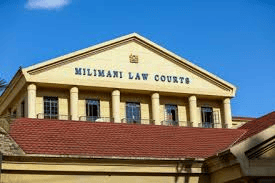
NAIROBI, Kenya A local rights advocacy group, Sheria Mtaani, has filed a constitutional petition seeking to compel the Judicial Service Commission (JSC) to install disability-friendly facilities at the Milimani Law Courts and across court stations nationwide, saying current infrastructure denies persons with disabilities meaningful access to justice.
The application, filed on February 16, 2026, and marked as urgent, demands orders compelling the JSC to install ramps, lifts, handrails, guiding rails and accessible toilets features advocates say are essential for litigants, lawyers and judicial officers with mobility or sensory impairments.
Lawyer Shadrack Wambui, representing Sheria Mtaani, argues that the absence of such basic amenities at Milimani Kenya’s busiest law court effectively blocks persons with disabilities from participating fully and independently in court proceedings, infringing their constitutional right to access justice.
“Persons living with disabilities … continue to face significant barriers in accessing open courtrooms and other physical facilities,” his motion says.
“Persons living with disabilities … continue to face significant barriers in accessing open courtrooms and other physical facilities,” his motion says.
Barriers Beyond Ramps
Advocates and legal experts point to a broader pattern of inaccessible public infrastructure in the justice system. Previous court observations and human rights reports have documented that historic court buildings including Milimani have narrow entrances, steps leading to reception areas and raised witness stands that hinder wheelchair users and others with mobility challenges.
Critics of the status quo note that accessibility isn’t just a matter of convenience but of constitutional and statutory rights: Article 54(c) of the Constitution guarantees reasonable access to places and services, and the newly enacted Persons with Disabilities Act (2025) imposes a duty on public institutions to ensure barrier-free environments, including legal and judicial facilities.
“This isn’t just about ramps it’s about dignity and equality before the law,” said a disability rights advocate not directly involved with the case. “Justice must be physically and practically accessible to everyone.”
Case Significance and Broader Context
The JSC, as custodian of court infrastructure and personnel welfare, has long faced criticism over slow implementation of accessibility reforms despite policy commitments and rights obligations. A December petition highlighted the absence of functional ramps and lifts particularly in upper floors and courtroom areas, noting that falls and injuries have already occurred due to these deficiencies.
The case comes amid broader rights litigation and reforms in Kenya’s legal system that increasingly centre on deprivation of rights through structural and procedural hurdles. Rights groups argue that without clear court-ordered compliance, the entrenched barriers will persist even as the Persons with Disabilities Act now places explicit legal obligations on state bodies to implement disability-friendly measures.
What Comes Next
Sheria Mtaani is asking the High Court to not only order upgrades at Milimani but to mandate progressive, nationwide improvement of court facilities so that persons with disabilities enjoy equal and unhindered access to justice throughout the country.
At the time of publication, the JSC had not publicly responded to the petition.