 Faith Masita
Countries with large diasporas in the Middle East are scrambling to evacuate their citizens as the escalating war involving the United States, Israel and Iran threatens to engulf the wider Gulf region and disrupt travel across major air corridors.
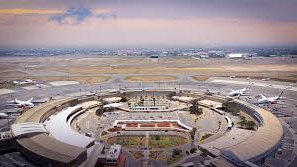
Governments across Asia, Europe and North America have launched emergency repatriation plans after airspace closures and missile attacks grounded flights, leaving thousands of foreign nationals stranded in cities such as Dubai, Doha and Abu Dhabi.
Canadian authorities said more than 2,000 citizens had already requested help leaving the region as the conflict intensified.
“We are actively working to assist Canadians who want to leave the region,” Canada’s Foreign Minister Anita Anand said, adding that the government had secured seats on commercial and charter flights while arranging ground transport to neighbouring countries where possible.
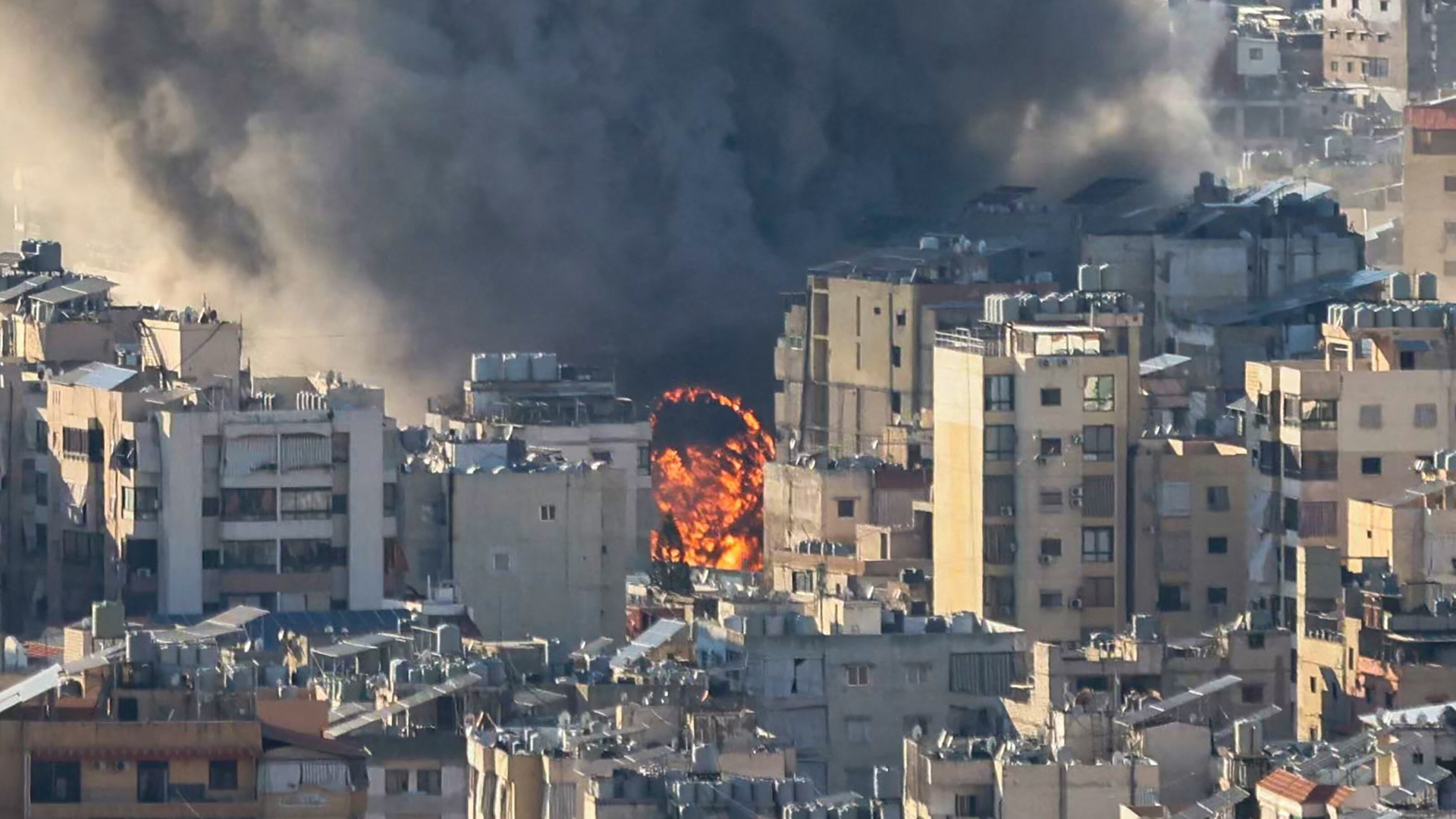
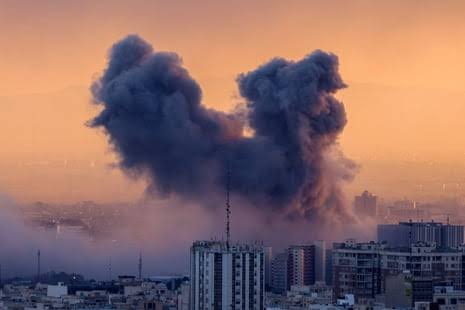
The crisis erupted after joint US and Israeli strikes on Iranian targets triggered retaliatory missile and drone attacks by Tehran across the Middle East, forcing several countries to shut down parts of their airspace and suspend flights.
With commercial travel severely disrupted, governments have been urging their citizens to leave the region immediately while evacuation arrangements are made.
The United States warned Americans in more than a dozen Middle Eastern countries to depart “using available commercial transportation due to serious safety risks,” as officials worked to organise additional charter flights.
Britain has also begun arranging charter flights to evacuate some of the thousands of UK nationals believed to be in the Gulf region, prioritising vulnerable travellers in the first wave of departures.
Meanwhile, countries with large migrant worker populations in the Gulf fear that millions of their citizens could be affected if the conflict widens further.
Nepal, which has more than 1.7 million nationals working across Gulf states including the United Arab Emirates, Qatar and Saudi Arabia, has expressed concern over the safety of its citizens as air travel remains uncertain.
Families of stranded travellers have taken to social media and government helplines seeking urgent evacuation as flight cancellations and rising ticket prices make it difficult for many to return home.
Officials say evacuation efforts are complicated by the suspension of commercial flights and the volatile security situation in several parts of the region.
Despite the challenges, governments say they are continuing to coordinate with airlines and neighbouring countries to open evacuation routes for their nationals while closely monitoring the rapidly evolving conflict.