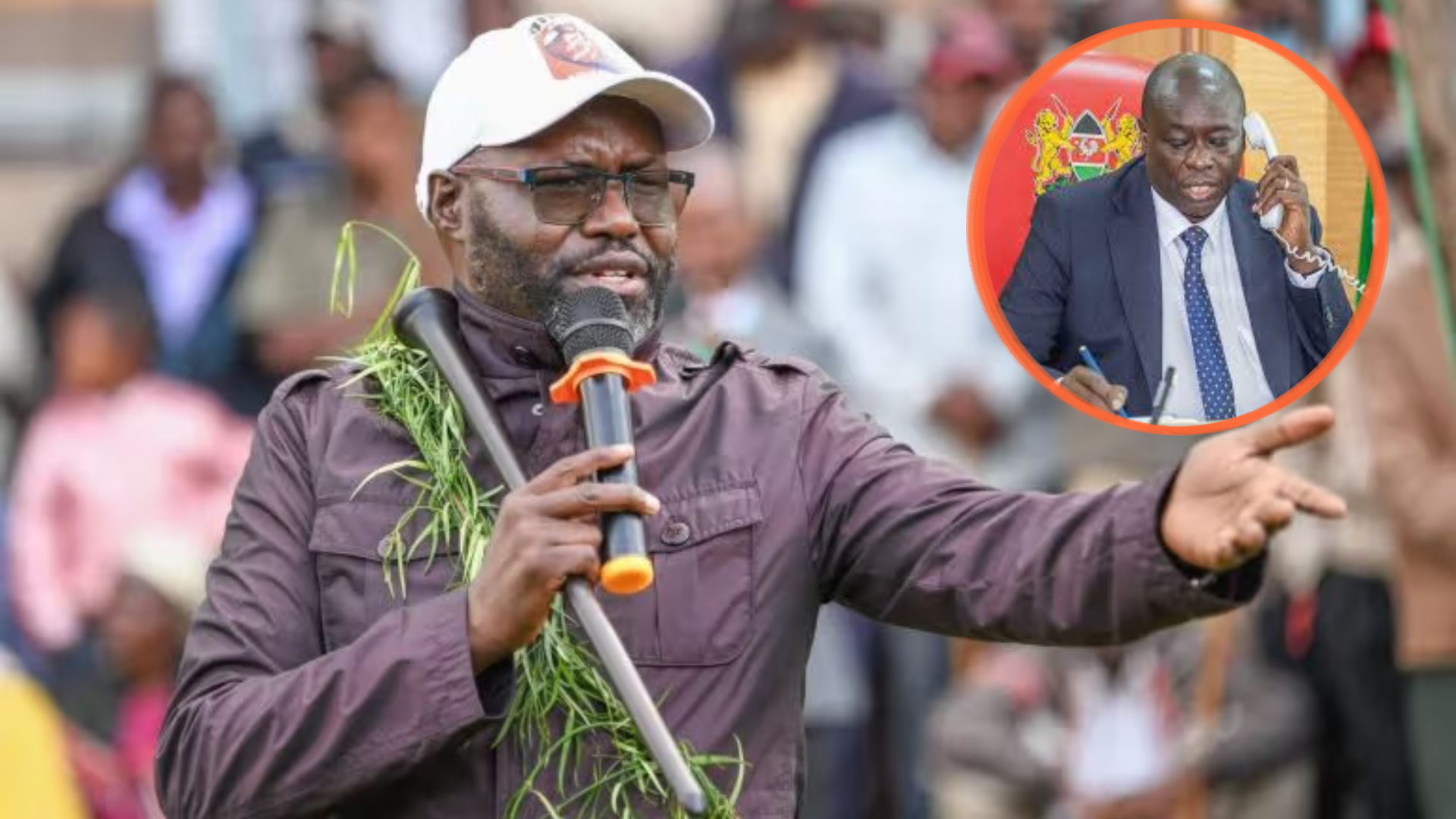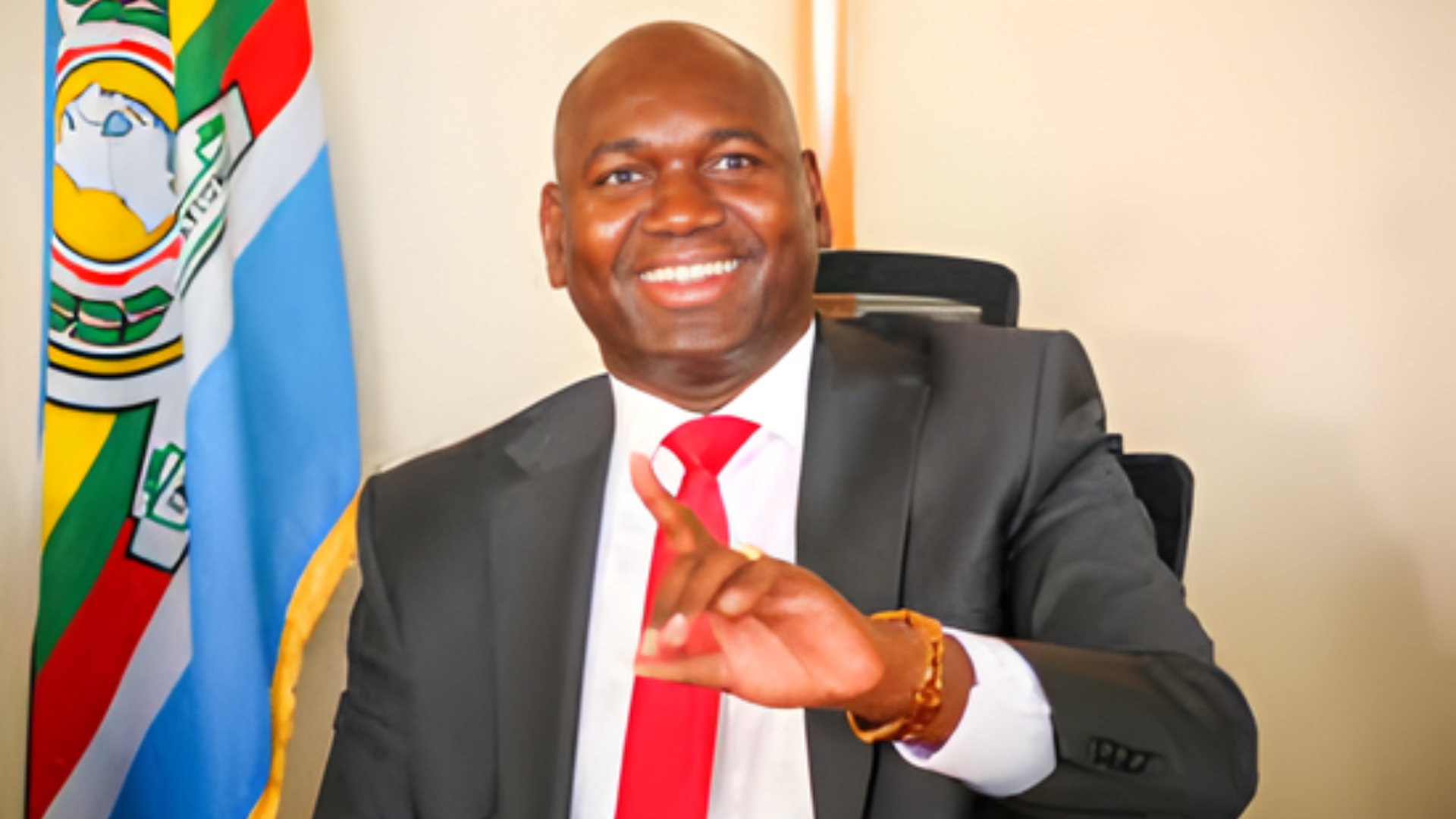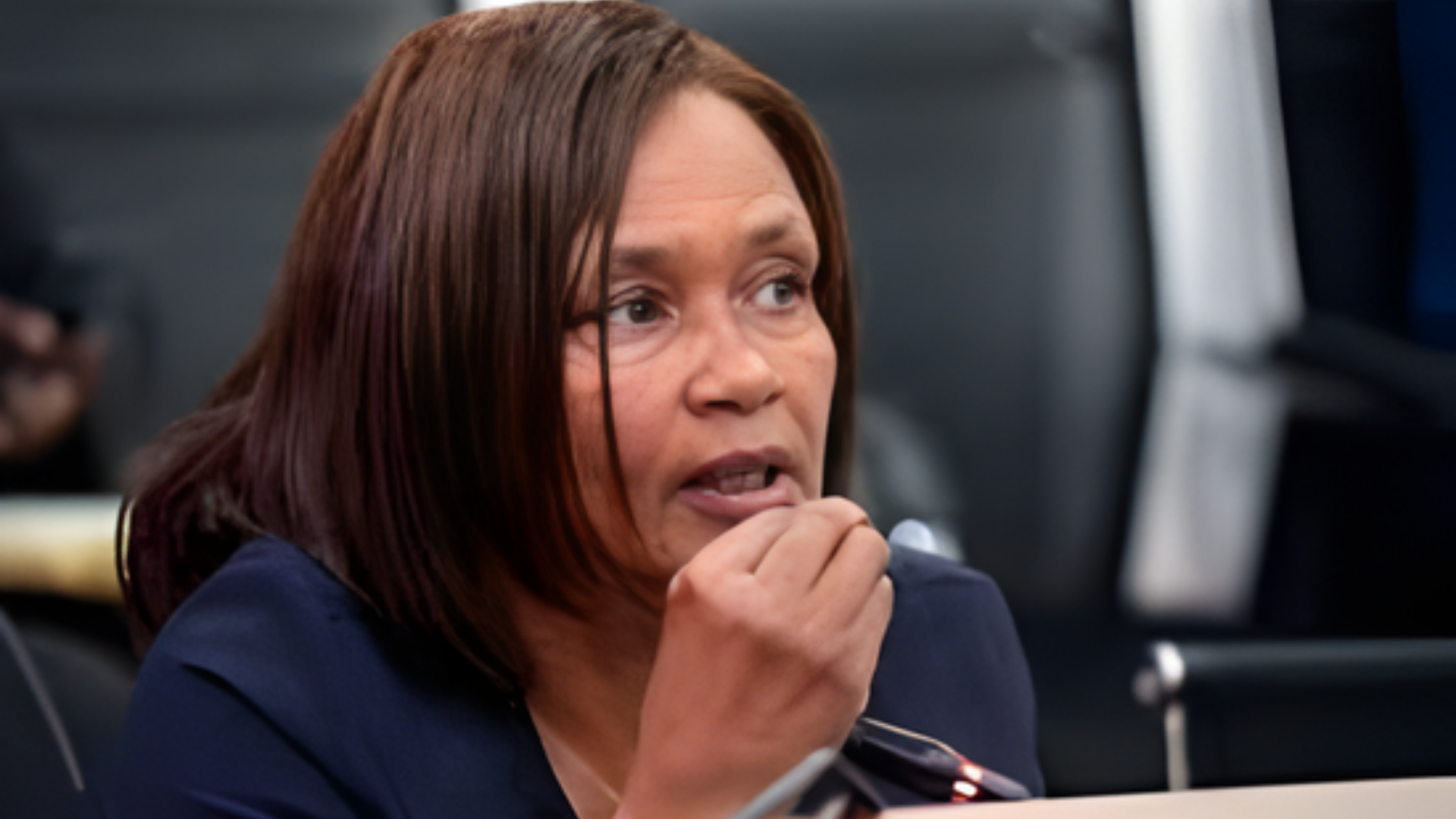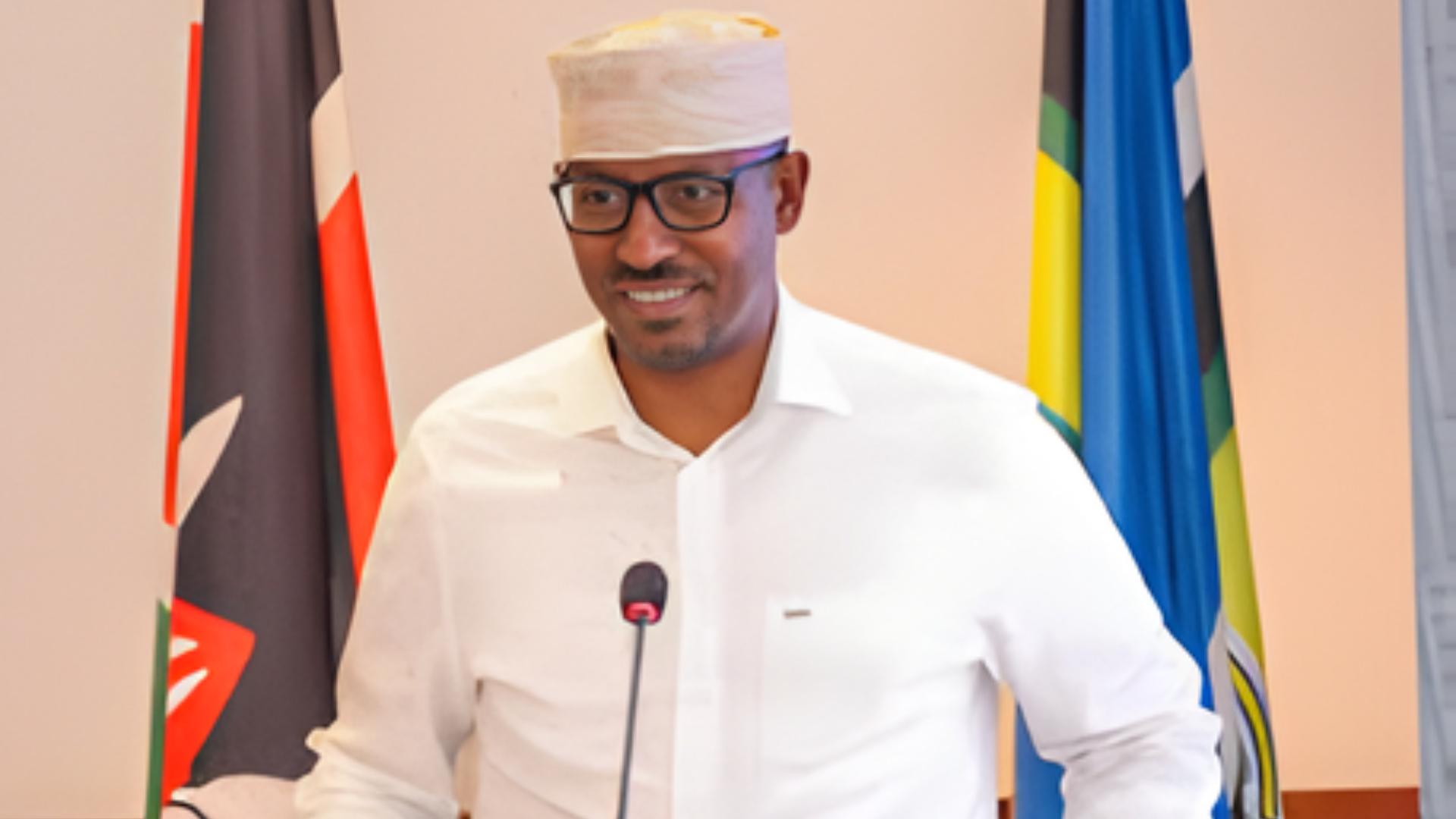
The Council of Governors has refused to back down in its escalating standoff with the Senate, maintaining its position that county leaders will not appear before the County Public Accounts Committee to account for public spending.
The decision, communicated through a strongly worded statement released by CoG Chairperson and Murang’a Governor Irungu Kang’ata on February 25, 2026, directly defies a directive issued by Senate Speaker Amason Kingi requiring all 47 governors to honour summons from the committee. Kingi had warned that continued non-appearance would be treated as contempt of the Senate and could trigger constitutional mechanisms to compel compliance.
Kang’ata said the CoG had carefully reviewed the legal and constitutional framework governing intergovernmental relations and concluded that the Senate’s approach oversteps its mandate. “The County Public Accounts Committee has no jurisdiction to summon governors in the manner it has done,” Kang’ata stated. “Governors are accountable to their county assemblies and the people who elected them. The Senate’s role is oversight of county governments as a whole, not direct interrogation of elected leaders. We will not subject ourselves to a process that undermines devolution and the dignity of county governments.”
The CoG chair accused the Senate of attempting to micromanage devolved functions and turning a legitimate oversight role into a platform for political theatre. “We have cooperated with the Auditor General, the Controller of Budget and our county assemblies,” Kang’ata continued. “We have submitted financial reports, responded to audit queries and appeared before county assemblies when required. The Senate must respect these processes instead of seeking to duplicate or override them.”
The standoff stems from a series of summons issued by the County Public Accounts Committee, chaired by Senator Samson Cherargei, demanding that governors appear to explain audit queries, stalled projects, pending bills and alleged misuse of funds in their counties. Several governors have already ignored the summons, prompting Kingi to issue a public ultimatum earlier this month.
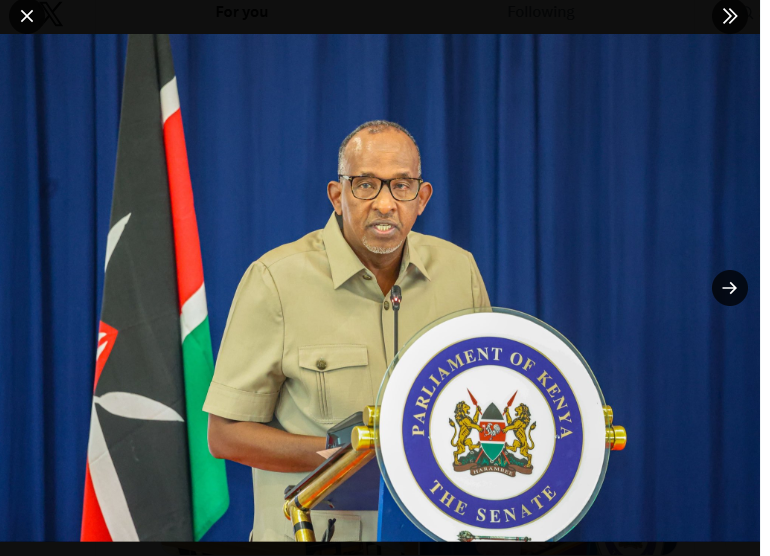
Senate Speaker Amason Kingi defended the committee’s position, insisting that the Senate has clear constitutional authority under Article 96 and the Fourth Schedule to oversee county expenditure. “The Senate is not on a fishing expedition,” Kingi said in response to the CoG statement. “We are exercising our oversight role as required by the Constitution. Governors must account for public money just like any other public officer. Refusal to appear is contempt and will be treated as such.”
Kingi warned that the Senate could invoke Article 125 to compel attendance through summons enforced by the Sergeant-at-Arms or even seek judicial intervention if the defiance continues. “We have the power to send for persons, papers and records,” he added. “This is not a favour we are asking; it is a constitutional duty. Governors cannot pick and choose when to be accountable.”
The refusal has heightened tensions between the two levels of government at a time when intergovernmental relations are already strained over revenue sharing, pending bills and functional overlaps. CoG Vice Chairperson and Kisii Governor Simba Arati said the decision was unanimous among governors regardless of political affiliation. “This is not about ODM or UDA,” Arati said. “It is about protecting devolution from encroachment. We will not allow the Senate to turn itself into a super county assembly.”
Legal experts have offered differing opinions on the legal standing of the Senate’s summons. Constitutional lawyer Steve Oundo said the Senate does have oversight powers but must exercise them through structured processes rather than direct confrontation. “The Constitution envisages cooperation between governments,” Oundo noted. “Summons should be the last resort after exhausting other channels such as the Intergovernmental Budget and Economic Council or the Council of Governors itself.”
The CoG has proposed alternative accountability mechanisms, including submission of detailed financial reports, joint sittings with county assemblies and continued engagement with the Auditor General. Kang’ata said governors remain open to constructive dialogue but will not participate in what he called “a charade designed to humiliate elected leaders.”
The impasse has raised questions about how Parliament will handle non-compliance if governors maintain their stance. The Senate could refer the matter to the courts, impose sanctions or seek enforcement through the National Police Service, though such steps would likely trigger further legal and political battles.
As both sides dig in, devolution stakeholders have called for mediation. Commission on Revenue Allocation Chairperson Mary Wambui urged restraint. “We cannot afford a full-blown crisis between Senate and governors,” Wambui said. “The public suffers when institutions fight instead of cooperating. Dialogue through IGREC or a joint committee would serve the country better.”
The Senate is expected to discuss the CoG’s defiance during its next sitting, while governors have vowed to continue county operations uninterrupted. The standoff underscores the ongoing struggle to define the boundaries of oversight in Kenya’s devolved system.