 Gerald Kyalo. (geraldbway).
The Central Organisation of Trade Unions in Kenya (COTU-K) has firmly defended its recently held elections, asserting that the process complied fully with its constitutional requirements and witnessed “overwhelming participation” from member unions. The elections, conducted on March 14, 2026, at the Tom Mboya Labour College in Kisumu, have recently been challenged in court by an individual claiming irregularities in the electoral process.
In a statement issued on March 18, 2026, COTU Secretary General Francis Atwoli addressed the petition filed at the Employment and Labour Relations Court. He clarified that the petition was lodged by Fazul Mohamed, whom the union described as neither a member of any affiliated union, nor a union official, nor a participant in the electoral process. According to Atwoli, Mohamed’s petition is therefore “baseless and lacks legal standing.”
COTU-K emphasized that the elections recorded a 92% quorum of eligible delegates, significantly exceeding the 51% threshold stipulated in the union’s constitution. The union further noted that over 90% of paid-up affiliates entitled to vote had completed their branch and national elections prior to the March 14 polls. This enabled their delegates to participate fully in the process, ensuring that the elections reflected the democratic will of the unions’ membership.
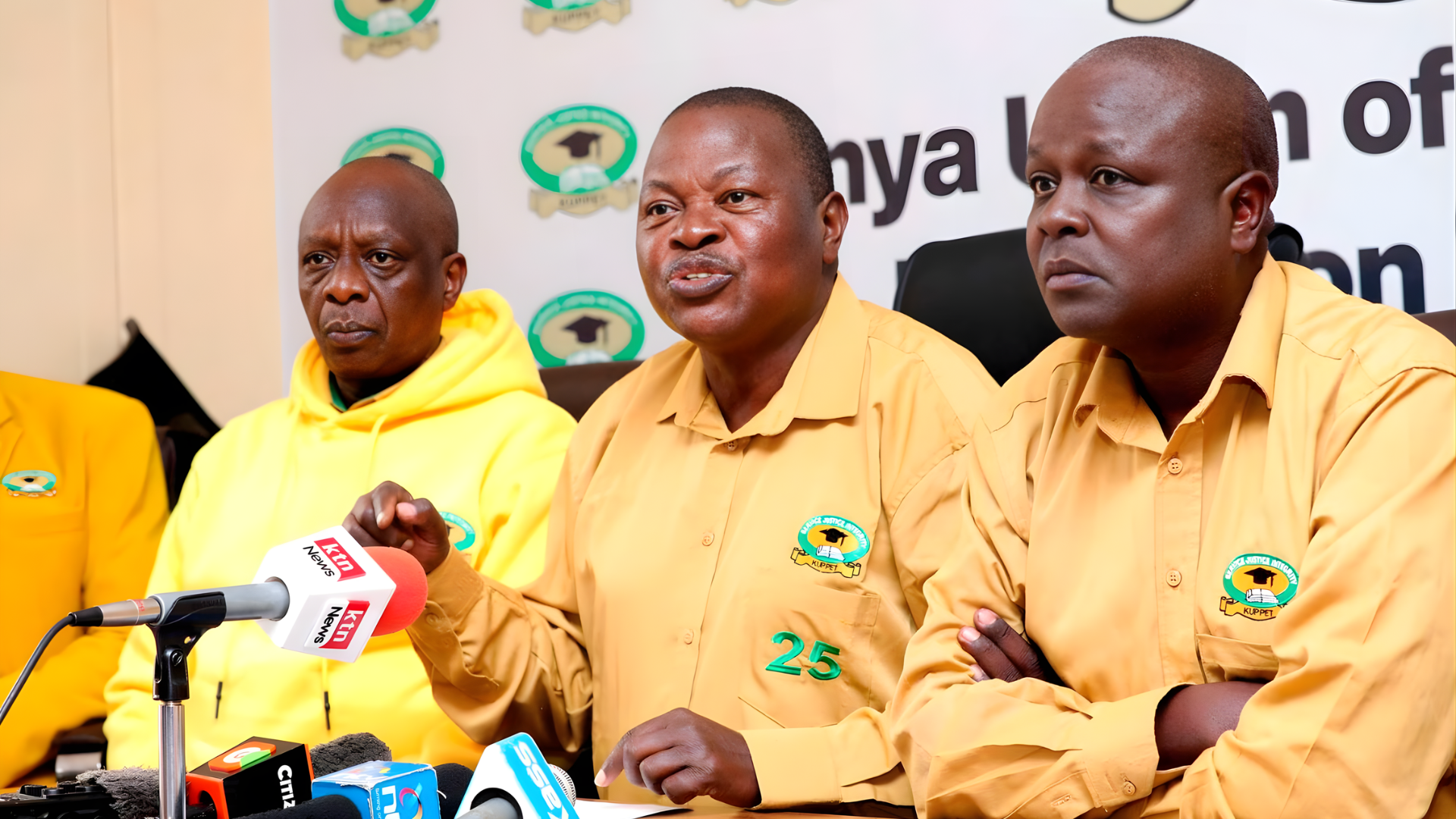
Addressing specific allegations concerning participation from key unions, COTU clarified that the Kenya National Union of Teachers (KNUT) and the Kenya Union of Post Primary Education Teachers (KUPPET) were not paid-up affiliates at the time and were therefore ineligible to vote. Nonetheless, representatives from these unions attended the elections as observers, with KNUT Secretary General Collins Oyuu delivering remarks during the proceedings.
Meanwhile, the Kenya Medical Practitioners, Pharmacists and Dentists Union (KMPDU) participated with three delegates, in line with the union’s constitution, despite not having conducted national elections at that point. These delegates were led by KMPDU Secretary General Dr. Davji Atella, highlighting the inclusive approach adopted by COTU to ensure broad representation during the polls.
COTU-K has also linked the petitioner to a previous complaint filed with the Ethics and Anti-Corruption Commission (EACC). The union claims that Mohamed allegedly misrepresented his academic qualifications to secure employment at the NGO Board and the Private Security Regulatory Authority (PSRA), receiving salaries and benefits under a “fake degree.” While these claims have not been tested in court, COTU-K argued that they raise questions about the petitioner’s credibility and motivations in challenging the union elections.
Secretary General Atwoli suggested that the petition may be politically motivated. He indicated that Mohamed is positioning himself for elective politics ahead of the 2027 general elections, implying that the court challenge is part of a broader personal agenda rather than a legitimate concern over union governance. “We are aware of the petitioner’s ambitions, and we remain committed to ensuring that our internal processes are conducted transparently and in accordance with the constitution,” Atwoli stated.
The union highlighted that COTU-K elections are a critical part of ensuring democratic governance within the labor movement. Atwoli emphasized that adherence to constitutional requirements is a priority for the union, particularly regarding the quorum, eligibility of delegates, and the conduct of branch and national elections by member affiliates. “Our processes are guided by transparency, inclusivity, and respect for the democratic principles enshrined in our constitution,” he added.
COTU-K also reiterated its commitment to engaging member unions and affiliates in a manner that respects both the letter and spirit of its constitution. By ensuring that only eligible delegates participate and that affiliates have completed their internal elections, the union maintains that its leadership elections are both credible and representative of the wider labor movement in Kenya.
Despite the court challenge, COTU-K has maintained a cautious public stance, indicating that it would not discuss ongoing litigation in detail. The union stated that it has full confidence in the judicial system to determine the legitimacy of the claims made by the petitioner. “We will allow the court to make a determination. Meanwhile, our focus remains on serving our affiliates and advancing the rights and welfare of workers across Kenya,” Atwoli said.
The March 14 elections come at a time when COTU-K faces increasing scrutiny over its internal governance and leadership. However, the union has taken proactive steps to demonstrate transparency and accountability, including the publication of election results and the facilitation of observer participation from non-voting unions. These measures, according to Atwoli, reflect a commitment to ensuring that COTU-K remains a credible and representative voice for Kenyan workers.
As the legal process unfolds, the labor movement and its affiliates are closely monitoring developments. The outcome of the petition could have implications not only for COTU-K’s leadership but also for broader labor relations in Kenya. Observers have noted that the union’s defense underscores a broader effort to maintain institutional integrity and uphold the democratic principles that underpin Kenya’s organized labor sector.
For now, COTU-K remains steadfast in defending its electoral process, emphasizing that the March 14 elections were conducted with transparency, inclusivity, and full compliance with the union’s constitution. The labor body has reiterated that it will continue to engage its affiliates and prioritize the welfare of workers, while allowing the courts to determine the validity of challenges raised by external parties.
In a statement issued on March 18, 2026, COTU Secretary General Francis Atwoli addressed the petition filed at the Employment and Labour Relations Court. He clarified that the petition was lodged by Fazul Mohamed, whom the union described as neither a member of any affiliated union, nor a union official, nor a participant in the electoral process. According to Atwoli, Mohamed’s petition is therefore “baseless and lacks legal standing.”
COTU-K emphasized that the elections recorded a 92% quorum of eligible delegates, significantly exceeding the 51% threshold stipulated in the union’s constitution. The union further noted that over 90% of paid-up affiliates entitled to vote had completed their branch and national elections prior to the March 14 polls. This enabled their delegates to participate fully in the process, ensuring that the elections reflected the democratic will of the unions’ membership.
Addressing specific allegations concerning participation from key unions, COTU clarified that the Kenya National Union of Teachers (KNUT) and the Kenya Union of Post Primary Education Teachers (KUPPET) were not paid-up affiliates at the time and were therefore ineligible to vote. Nonetheless, representatives from these unions attended the elections as observers, with KNUT Secretary General Collins Oyuu delivering remarks during the proceedings.
Meanwhile, the Kenya Medical Practitioners, Pharmacists and Dentists Union (KMPDU) participated with three delegates, in line with the union’s constitution, despite not having conducted national elections at that point. These delegates were led by KMPDU Secretary General Dr. Davji Atella, highlighting the inclusive approach adopted by COTU to ensure broad representation during the polls.
COTU-K has also linked the petitioner to a previous complaint filed with the Ethics and Anti-Corruption Commission (EACC). The union claims that Mohamed allegedly misrepresented his academic qualifications to secure employment at the NGO Board and the Private Security Regulatory Authority (PSRA), receiving salaries and benefits under a “fake degree.” While these claims have not been tested in court, COTU-K argued that they raise questions about the petitioner’s credibility and motivations in challenging the union elections.
Secretary General Atwoli suggested that the petition may be politically motivated. He indicated that Mohamed is positioning himself for elective politics ahead of the 2027 general elections, implying that the court challenge is part of a broader personal agenda rather than a legitimate concern over union governance. “We are aware of the petitioner’s ambitions, and we remain committed to ensuring that our internal processes are conducted transparently and in accordance with the constitution,” Atwoli stated.
The union highlighted that COTU-K elections are a critical part of ensuring democratic governance within the labor movement. Atwoli emphasized that adherence to constitutional requirements is a priority for the union, particularly regarding the quorum, eligibility of delegates, and the conduct of branch and national elections by member affiliates. “Our processes are guided by transparency, inclusivity, and respect for the democratic principles enshrined in our constitution,” he added.
COTU-K also reiterated its commitment to engaging member unions and affiliates in a manner that respects both the letter and spirit of its constitution. By ensuring that only eligible delegates participate and that affiliates have completed their internal elections, the union maintains that its leadership elections are both credible and representative of the wider labor movement in Kenya.
Despite the court challenge, COTU-K has maintained a cautious public stance, indicating that it would not discuss ongoing litigation in detail. The union stated that it has full confidence in the judicial system to determine the legitimacy of the claims made by the petitioner. “We will allow the court to make a determination. Meanwhile, our focus remains on serving our affiliates and advancing the rights and welfare of workers across Kenya,” Atwoli said.
The March 14 elections come at a time when COTU-K faces increasing scrutiny over its internal governance and leadership. However, the union has taken proactive steps to demonstrate transparency and accountability, including the publication of election results and the facilitation of observer participation from non-voting unions. These measures, according to Atwoli, reflect a commitment to ensuring that COTU-K remains a credible and representative voice for Kenyan workers.
As the legal process unfolds, the labor movement and its affiliates are closely monitoring developments. The outcome of the petition could have implications not only for COTU-K’s leadership but also for broader labor relations in Kenya. Observers have noted that the union’s defense underscores a broader effort to maintain institutional integrity and uphold the democratic principles that underpin Kenya’s organized labor sector.
For now, COTU-K remains steadfast in defending its electoral process, emphasizing that the March 14 elections were conducted with transparency, inclusivity, and full compliance with the union’s constitution. The labor body has reiterated that it will continue to engage its affiliates and prioritize the welfare of workers, while allowing the courts to determine the validity of challenges raised by external parties.