 Victor Elvis Mugambi
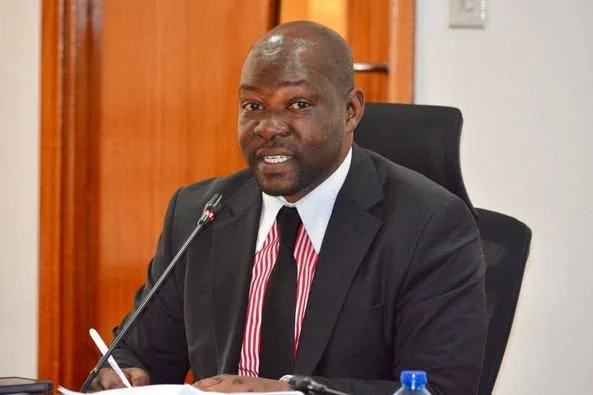
In a recent statement that has stirred significant controversy, Caleb Amisi, a prominent political figure, vowed to cane Generation Z youth if they protests after the year 2027. This alarming stance has ignited a heated debate across social and political spheres about the future of youth activism and the authority of political leaders in Kenya.
Debate Over Youth Activism and Authority
The statement by Amisi underscores a broader tension between the older political establishment and the emerging Generation Z. Critics argue that such remarks undermine democratic rights and encourage authoritarian responses to peaceful protests, potentially chilling youth participation in civic matters. Conversely, supporters claim that Amisi's stance is a tough stance against unruly protests that could disrupt national stability.
Amisi's vow has come amid rising youth activism, with Generation Z increasingly vocal about issues from governance to social justice. The threat of physical discipline as a response to protests raises questions about the boundaries of political authority and the rights of young citizens to protest.
Officials and human rights advocates have condemned the remark, emphasizing the importance of peaceful dialogue and respect for fundamental freedoms. Meanwhile, Amisi has defended his comments as a call for discipline and order, citing his responsibility to uphold national stability.
As this debate unfolds, it highlights the ongoing tensions in Kenya's political landscape regarding youth engagement, authority, and human rights. The coming years will likely see intensified discussions on how to balance security, order, and democratic freedoms, especially among the younger generations.