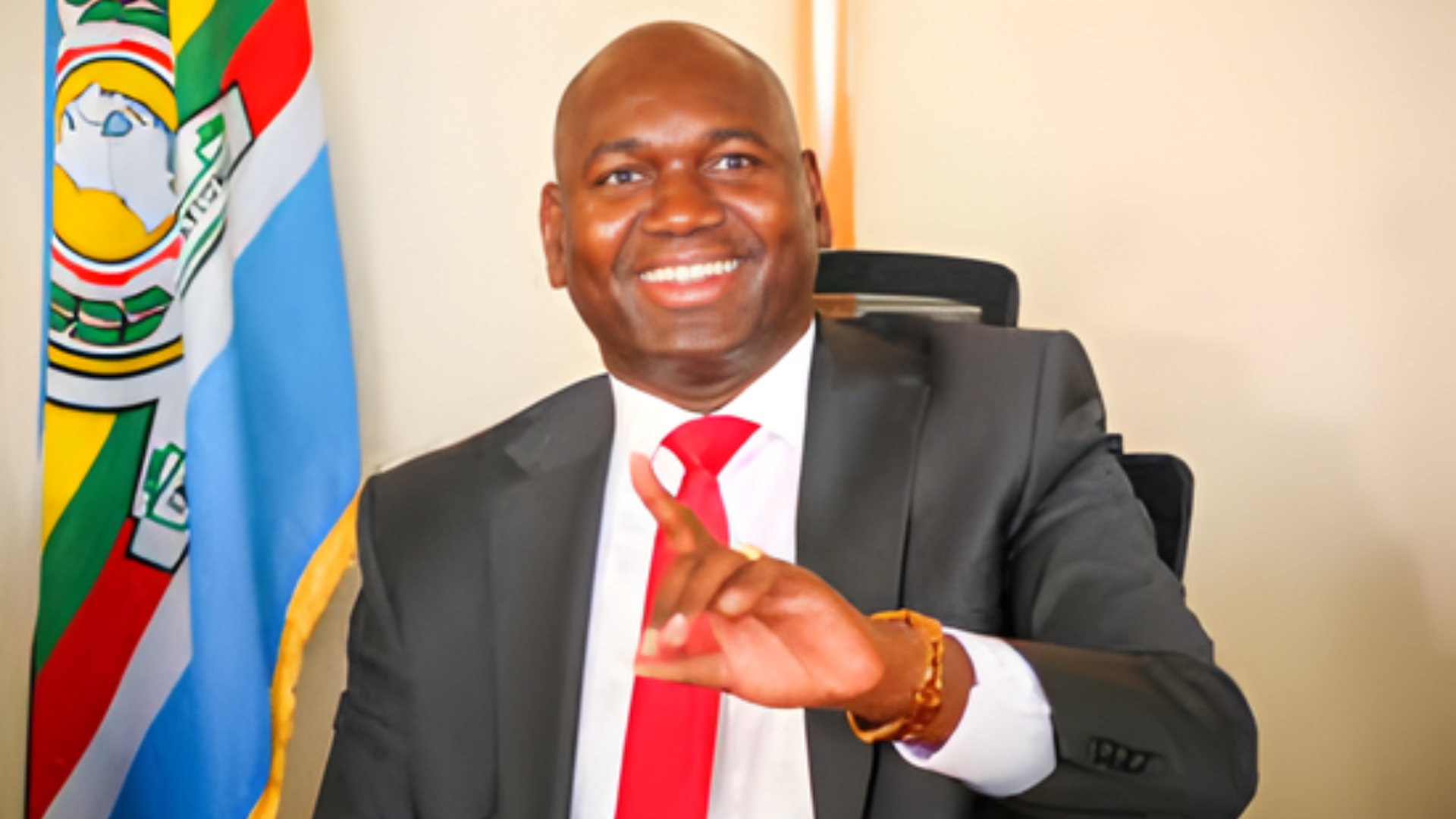
The State Department for Basic Education is facing a crippling Sh111.07 billion funding shortfall in the 2026/27 financial year, threatening the continuation of free and compulsory primary and secondary education programmes, Principal Secretary Julius Bitok has warned.
Bitok made the revelation during a briefing with the National Assembly’s Education Committee on February 21, 2026, while presenting the department’s budget estimates and forward projections. The shortfall arises from a combination of rising enrolment, inflation-driven cost increases in capitation grants, teacher recruitment needs, infrastructure demands and the full rollout of junior secondary school under the Competency-Based Curriculum.
“The department requires approximately Sh320 billion to fully fund free primary education, junior secondary, teacher hiring, school feeding, bursaries and infrastructure in the next financial year,” Bitok told the committee. “The current ceiling from the National Treasury is only Sh208.93 billion, leaving a gap of Sh111.07 billion. Without additional resources, we will be forced to make painful cuts that could reverse gains made in access and retention.”
The PS broke down the key pressure points driving the deficit. Free primary education capitation grants, currently set at Sh1,420 per pupil per year, need upward adjustment to cover rising costs of textbooks, exercise books, chalk and other learning materials. Junior secondary schools, now in their third year of implementation, require additional capitation of Sh15,000 per learner, teacher recruitment for Grades 7–9 and laboratories, libraries and classrooms to accommodate the expanded cohort.
Teacher shortages remain acute, with the department needing to hire at least 30,000 new teachers annually to meet pupil-teacher ratios and replace retirees. The school feeding programme, which supports over 2.5 million pupils in arid and semi-arid lands and urban informal settlements, has seen food commodity prices rise by more than 40 percent in the past two years, pushing costs beyond the current allocation.
Bitok emphasised that the shortfall is not merely financial but existential for the constitutional right to free and compulsory basic education under Article 53(1)(b). “If we fail to plug this gap, we risk increased dropout rates, overcrowded classrooms, unpaid teachers and collapse of school feeding in vulnerable areas,” he warned. “This is not a departmental issue; it is a national emergency that affects millions of children and the future of our country.”
The Education Committee Chairperson, Molo MP Kuria Kimani, expressed deep concern over the figures. “Sh111 billion is enormous. We cannot continue pretending the current funding levels are sustainable,” Kimani said during the session. “The committee will push for reallocation within the national budget, increased revenue mobilisation and possibly a supplementary budget to avert crisis.”
The PS outlined immediate coping measures being considered, including prioritisation of capitation to schools with highest vulnerability, delaying non-essential infrastructure projects and seeking development partner support for specific programmes. However, he stressed these are stop-gap solutions. “We cannot borrow from Peter to pay Paul indefinitely,” Bitok said. “The Treasury must find additional resources or we will be forced to make choices no one wants—larger class sizes, reduced feeding days, delayed teacher hiring and possible fee introduction in some areas.”
Parents and teachers unions reacted with alarm. Kenya National Union of Teachers Secretary-General Collins Oyuu said: “This shortfall confirms what we have warned for years—the government is underfunding basic education. Teachers are already stretched thin, schools lack basic supplies and learners suffer. Parliament must act to save free education.”
The Kenya Primary and Secondary Schools Heads Associations echoed the call. Chairperson Kahi Indimuli said: “We are already seeing schools asking parents for contributions despite the free education policy. A Sh111 billion hole will make the situation unbearable. The government must honour its constitutional promise.”
The Treasury has not yet responded formally to the committee’s concerns but sources indicate the department is under pressure to justify the shortfall in the upcoming budget policy statement. Finance experts say the gap reflects broader fiscal constraints, with debt servicing, wage bill and other competing priorities squeezing development spending.
The Education Committee is expected to recommend additional allocations in its report to the House. Debate on the 2026/27 budget estimates begins in March 2026, giving MPs an opportunity to push for re-prioritisation or supplementary funding.
As Kenya approaches the second decade of free primary education and the full implementation of compulsory secondary schooling, the Sh111.07 billion shortfall poses one of the gravest threats to educational equity and access in recent years. Without decisive action, millions of children risk being denied the quality education guaranteed by the Constitution.