 Diana Muthini
Babu Owino: Is He the Future Leader ODM Needs?
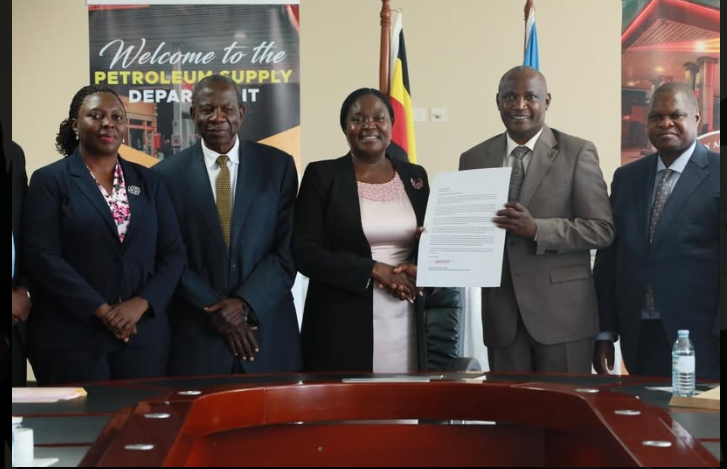
The Orange Democratic Movement (ODM) has long been synonymous with seasoned political figures who have shaped Kenya’s post-independence political narrative. Among them, Oburu Oginga has been a stalwart, representing experience, continuity, and institutional memory. Yet as Kenya approaches the 2027 general elections, a debate has begun to simmer within party circles and among the general public: should ODM continue under the leadership of veteran politicians, or is it time for a new, energetic face to take the reins?
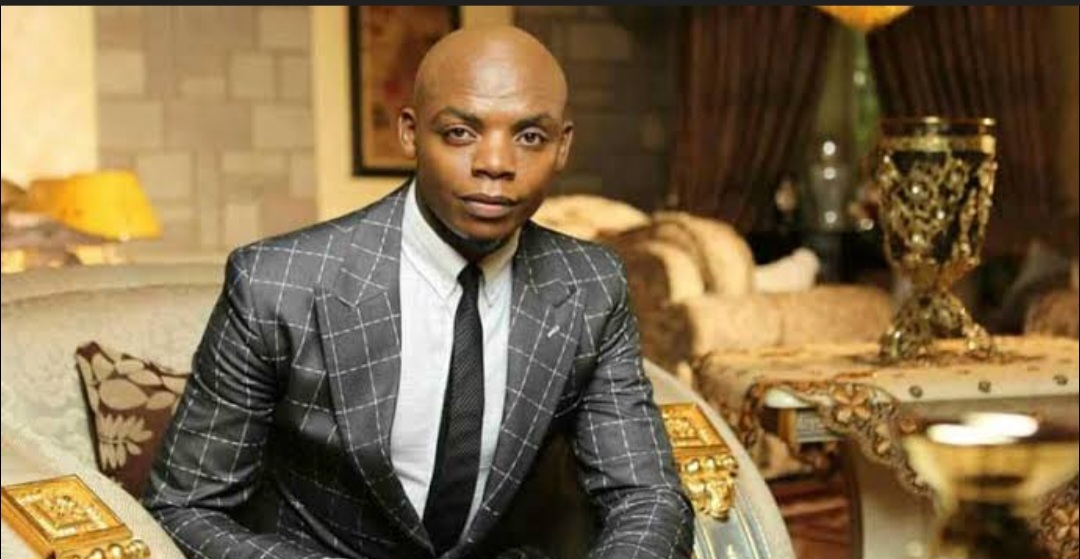
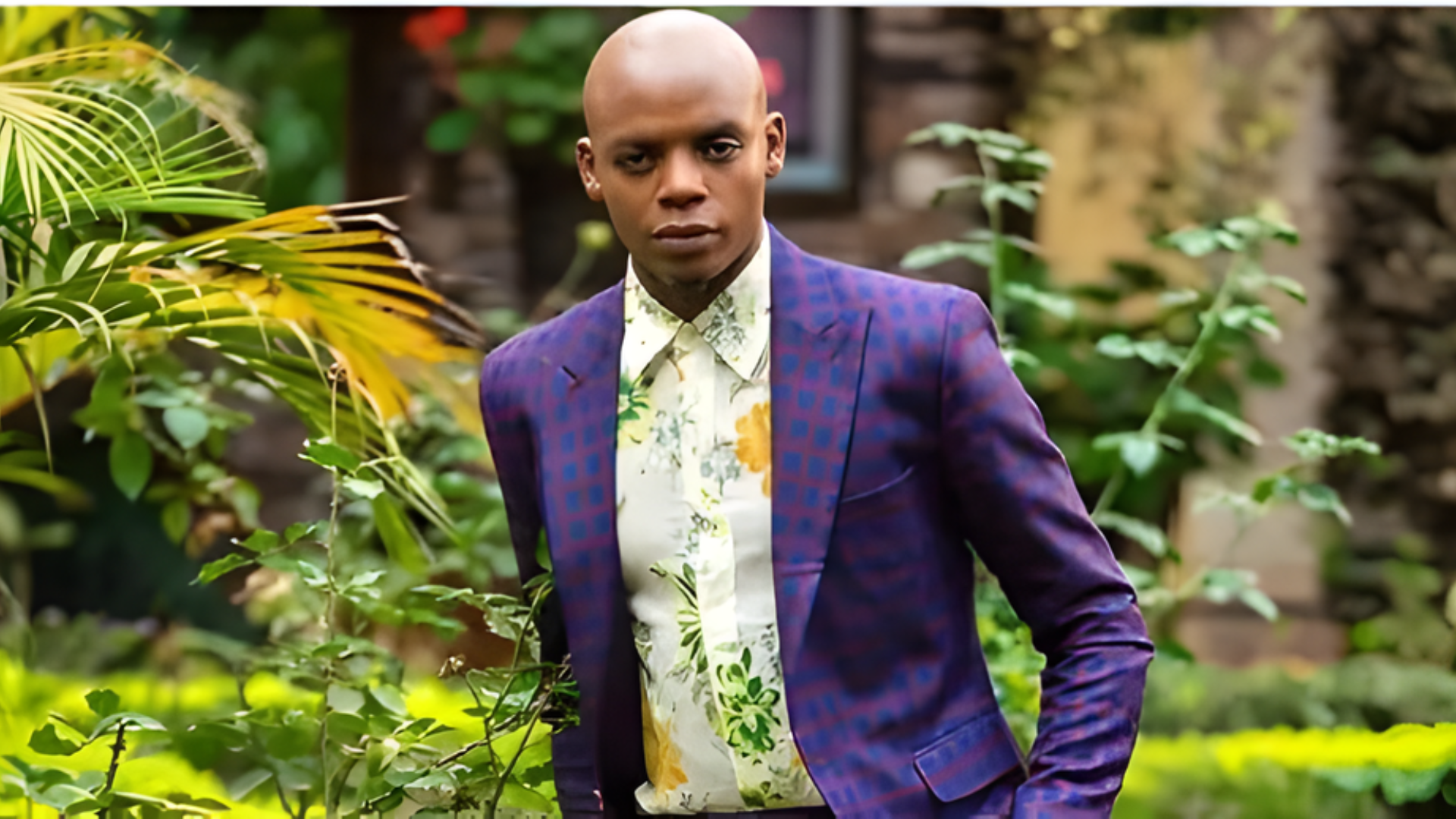
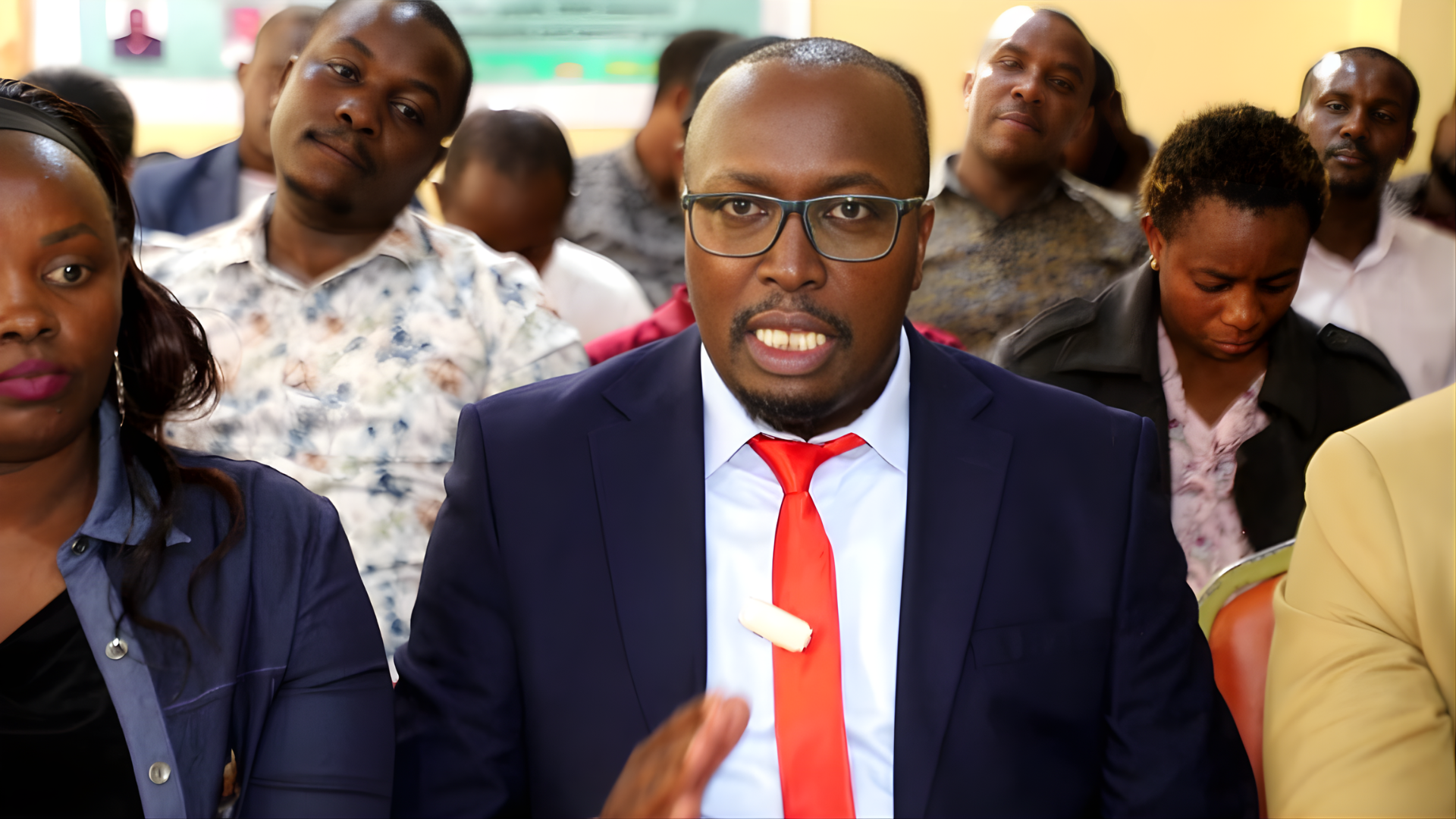
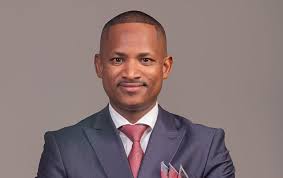
At the heart of this discussion is Babu Owino, the fiery and controversial Member of Parliament who has become one of Kenya’s most recognizable political personalities. Known for his confrontational style, bold statements, and unmatched ability to mobilize the youth, Owino represents a generational shift—a new form of leadership that speaks directly to Kenya’s young population, which now forms the backbone of the electorate.
The Rise of a Youthful Political Force
Babu Owino’s political journey has been marked by both controversy and charisma. From his early days as a student leader to his election as MP for Embakasi East, he has cultivated a reputation as a politician who is fearless, outspoken, and unafraid to challenge the status quo. Unlike many established politicians who rely on legacy networks and historical loyalties, Owino has leveraged social media, grassroots organizing, and youth mobilization to build his profile.
Supporters argue that this is precisely the kind of energy ODM needs to remain relevant. The political landscape in Kenya is rapidly changing, with younger voters increasingly dictating electoral outcomes. Owino’s appeal to this demographic is undeniable. He addresses issues that resonate with ordinary Kenyans—youth unemployment, education, affordable housing, and government accountability—often using language and platforms that are accessible to the younger generation.
Generational Tension in ODM
The debate over leadership in ODM reflects a broader generational tension in Kenyan politics. On one hand, veteran politicians like Oburu Oginga bring stability, experience, and deep institutional knowledge. They have navigated decades of political upheaval and are adept at negotiation, coalition-building, and strategic alliances. On the other hand, there is growing recognition that Kenya’s future lies in the hands of the youth, who demand leaders that understand their aspirations, frustrations, and ways of communication.
For many ODM supporters, Babu Owino embodies this new era. His leadership style is direct, unapologetic, and highly visible. While critics point to his controversial incidents as potential liabilities, proponents argue that his boldness is a necessary antidote to Kenya’s slow-moving, overly cautious political machinery. In a political environment where visibility and relevance are critical, Owino’s capacity to command attention and mobilize supporters is an invaluable asset.
Political Strategy and 2027
Looking ahead to the 2027 elections, ODM faces a critical choice. Should it rely on the experience of senior leaders like Oburu Oginga, or should it embrace a youthful, assertive leader like Babu Owino to rejuvenate the party’s image? The answer may well determine the party’s trajectory for years to come.
Babu Owino’s supporters point to his strategic potential. He is adept at connecting with urban voters, leveraging media narratives, and framing issues in ways that resonate nationally. These skills, they argue, could give ODM a significant advantage over rival political formations. In contrast, senior leaders may struggle to engage younger voters or to compete in an environment where digital platforms and social media campaigns play a decisive role.
Risks and Opportunities
No leadership transition is without risks. Owino’s critics warn that his confrontational style could alienate potential allies or fuel internal divisions within ODM. His past controversies, some of which have attracted national attention, also pose challenges in projecting an image of stability and reliability to a broad electorate.
Yet these risks are balanced by substantial opportunities. A leadership shift to Babu Owino could energize the party’s base, attract new supporters, and reposition ODM as a forward-looking, youth-driven political force. It could also send a powerful message that the party is ready to embrace change and adapt to the demands of modern Kenyan politics.
Conclusion
As Kenya approaches a crucial electoral cycle, the question of ODM leadership is more than a matter of personality—it is a reflection of the country’s evolving political landscape. The choice between Oburu Oginga and Babu Owino is, in essence, a choice between experience and continuity on one hand, and energy, youth, and transformation on the other.
Babu Owino represents a new kind of political leadership in Kenya: bold, visible, and directly engaged with the electorate. Whether he will ultimately replace Oburu Oginga as ODM leader remains uncertain, but the debate itself signals a potential turning point for the party. For many, embracing Owino’s leadership is not just a matter of politics—it is a statement that Kenya’s future belongs to a new generation, ready to take the helm and redefine what leadership in the country looks like.
The Orange Democratic Movement (ODM) has long been synonymous with seasoned political figures who have shaped Kenya’s post-independence political narrative. Among them, Oburu Oginga has been a stalwart, representing experience, continuity, and institutional memory. Yet as Kenya approaches the 2027 general elections, a debate has begun to simmer within party circles and among the general public: should ODM continue under the leadership of veteran politicians, or is it time for a new, energetic face to take the reins?
At the heart of this discussion is Babu Owino, the fiery and controversial Member of Parliament who has become one of Kenya’s most recognizable political personalities. Known for his confrontational style, bold statements, and unmatched ability to mobilize the youth, Owino represents a generational shift—a new form of leadership that speaks directly to Kenya’s young population, which now forms the backbone of the electorate.
The Rise of a Youthful Political Force
Babu Owino’s political journey has been marked by both controversy and charisma. From his early days as a student leader to his election as MP for Embakasi East, he has cultivated a reputation as a politician who is fearless, outspoken, and unafraid to challenge the status quo. Unlike many established politicians who rely on legacy networks and historical loyalties, Owino has leveraged social media, grassroots organizing, and youth mobilization to build his profile.
Supporters argue that this is precisely the kind of energy ODM needs to remain relevant. The political landscape in Kenya is rapidly changing, with younger voters increasingly dictating electoral outcomes. Owino’s appeal to this demographic is undeniable. He addresses issues that resonate with ordinary Kenyans—youth unemployment, education, affordable housing, and government accountability—often using language and platforms that are accessible to the younger generation.
Generational Tension in ODM
The debate over leadership in ODM reflects a broader generational tension in Kenyan politics. On one hand, veteran politicians like Oburu Oginga bring stability, experience, and deep institutional knowledge. They have navigated decades of political upheaval and are adept at negotiation, coalition-building, and strategic alliances. On the other hand, there is growing recognition that Kenya’s future lies in the hands of the youth, who demand leaders that understand their aspirations, frustrations, and ways of communication.
For many ODM supporters, Babu Owino embodies this new era. His leadership style is direct, unapologetic, and highly visible. While critics point to his controversial incidents as potential liabilities, proponents argue that his boldness is a necessary antidote to Kenya’s slow-moving, overly cautious political machinery. In a political environment where visibility and relevance are critical, Owino’s capacity to command attention and mobilize supporters is an invaluable asset.
Political Strategy and 2027
Looking ahead to the 2027 elections, ODM faces a critical choice. Should it rely on the experience of senior leaders like Oburu Oginga, or should it embrace a youthful, assertive leader like Babu Owino to rejuvenate the party’s image? The answer may well determine the party’s trajectory for years to come.
Babu Owino’s supporters point to his strategic potential. He is adept at connecting with urban voters, leveraging media narratives, and framing issues in ways that resonate nationally. These skills, they argue, could give ODM a significant advantage over rival political formations. In contrast, senior leaders may struggle to engage younger voters or to compete in an environment where digital platforms and social media campaigns play a decisive role.
Risks and Opportunities
No leadership transition is without risks. Owino’s critics warn that his confrontational style could alienate potential allies or fuel internal divisions within ODM. His past controversies, some of which have attracted national attention, also pose challenges in projecting an image of stability and reliability to a broad electorate.
Yet these risks are balanced by substantial opportunities. A leadership shift to Babu Owino could energize the party’s base, attract new supporters, and reposition ODM as a forward-looking, youth-driven political force. It could also send a powerful message that the party is ready to embrace change and adapt to the demands of modern Kenyan politics.
Conclusion
As Kenya approaches a crucial electoral cycle, the question of ODM leadership is more than a matter of personality—it is a reflection of the country’s evolving political landscape. The choice between Oburu Oginga and Babu Owino is, in essence, a choice between experience and continuity on one hand, and energy, youth, and transformation on the other.
Babu Owino represents a new kind of political leadership in Kenya: bold, visible, and directly engaged with the electorate. Whether he will ultimately replace Oburu Oginga as ODM leader remains uncertain, but the debate itself signals a potential turning point for the party. For many, embracing Owino’s leadership is not just a matter of politics—it is a statement that Kenya’s future belongs to a new generation, ready to take the helm and redefine what leadership in the country looks like.