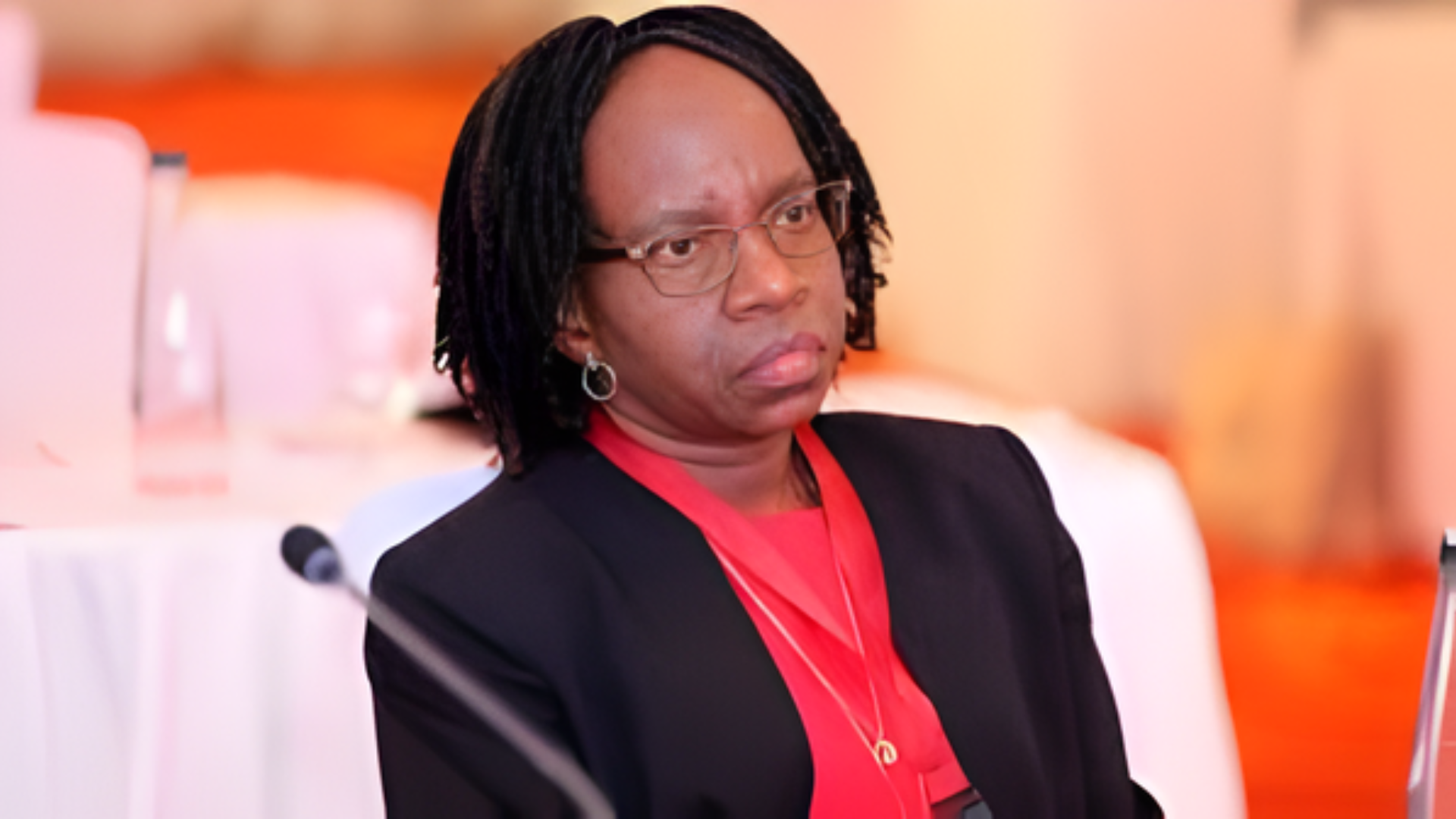
Auditor General Nancy Gathungu has revealed that Sh11 billion allocated to the Talanta Stadium project cannot be properly accounted for, raising serious questions about financial management and procurement compliance in one of Kenya’s flagship sports infrastructure initiatives.
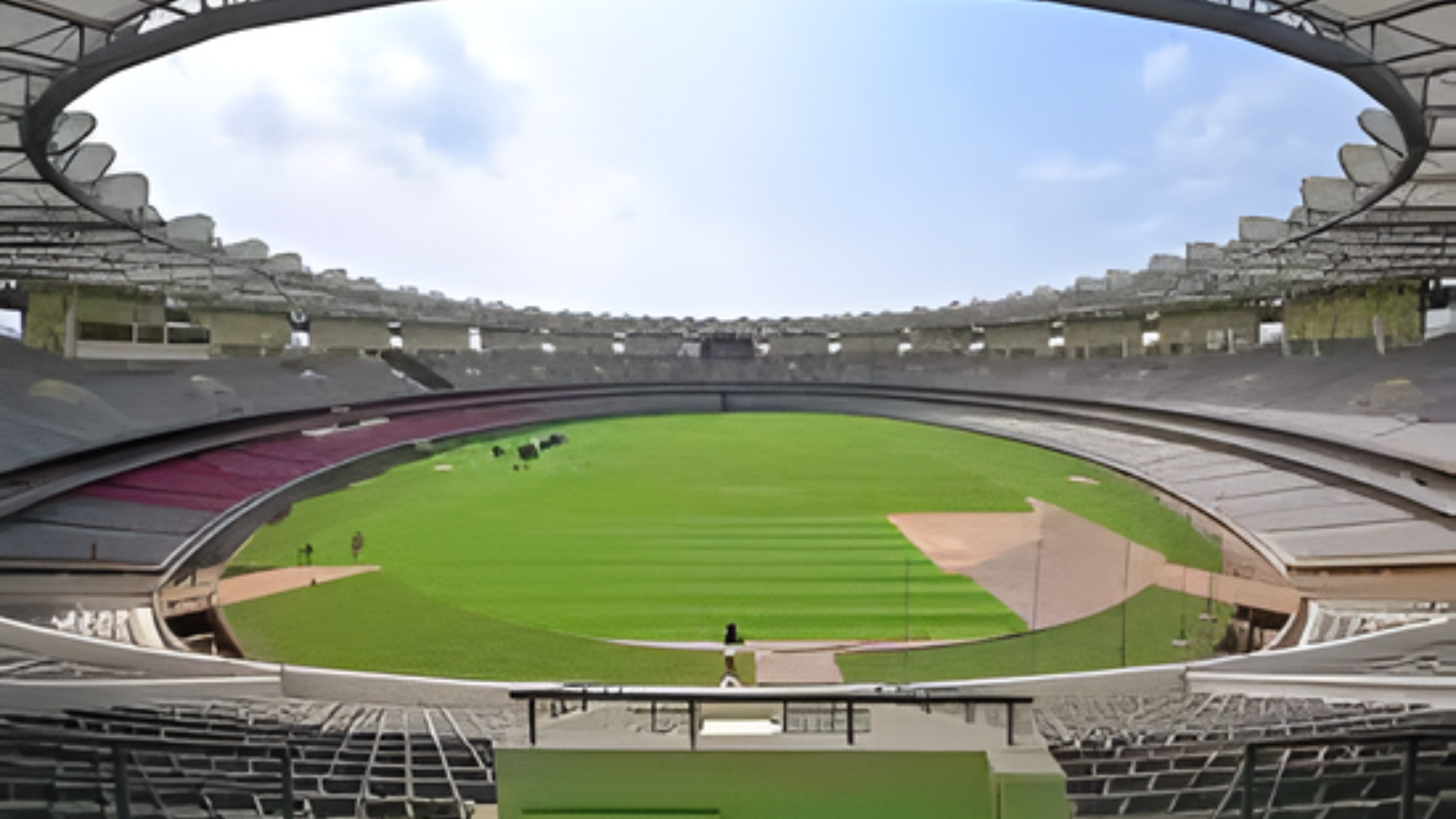
In her latest report tabled in Parliament, Gathungu detailed multiple irregularities surrounding the construction of the 60,000-seater multi-purpose stadium in Nairobi, intended to serve as a key venue for the 2027 Africa Cup of Nations co-hosted by Kenya, Uganda and Tanzania.
The report states that the project cost escalated from the original contract sum of Sh35 billion to Sh45.8 billion without any documented justification or approval. “The variation of Sh10.8 billion was effected through addenda and variation orders that lacked supporting technical evaluations, cost-benefit analyses or evidence of value for money,” Gathungu noted.
The Auditor General further found that the open tender process mandated under the Public Procurement and Asset Disposal Act was bypassed. Instead, the project was awarded through restricted tendering to China Road and Bridge Corporation without competitive bidding or demonstration of urgency that would legally justify the exemption. “No evidence was provided to show that open tendering was impractical or that the restricted process yielded better value,” the report stated.
Compounding the issues, mandatory approval from the Auditor General’s office for the contract variation was never sought, as required for projects exceeding certain thresholds. “This failure to obtain prior concurrence constitutes a breach of the Public Finance Management Act and exposes public funds to significant risk,” Gathungu warned.
The Sh11 billion unaccounted portion stems from a combination of the unexplained cost overrun, unsupported variation orders, payments for works whose completion could not be verified, and expenditures lacking proper documentation or certification by engineers. Site inspections by the Auditor General’s team revealed discrepancies between reported progress and actual physical works, particularly in electrical installations, drainage systems and ancillary facilities.
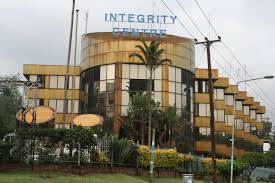
Gathungu recommended immediate recovery of any improperly paid amounts, forensic investigation into the procurement process, disciplinary action against responsible officers and referral of the matter to the Ethics and Anti-Corruption Commission for further probe into possible abuse of office and economic crimes.
Sports Cabinet Secretary Ababu Namwamba defended the project during a subsequent media briefing. “Talanta Stadium is over 80% complete and on course for handover by March 2026,” Namwamba said. “We have full confidence in the integrity of the works and are cooperating fully with the Auditor General’s office to clarify all queries. The cost escalation reflects legitimate scope changes required to meet FIFA and CAF standards.”
The Cabinet Secretary added that the government remains committed to delivering a world-class facility that will serve Kenyan sports for generations. “We are addressing the audit observations through enhanced documentation and verification processes,” he said.
Critics, however, described the findings as evidence of systemic procurement weaknesses in major public projects. Transparency International Kenya Executive Director Sheila Masiga said: “Sh11 billion is a staggering amount to go unaccounted for in a single project. This is not just an accounting issue; it is a governance failure that erodes public trust. We call for swift recovery of the funds and prosecution where wrongdoing is established.”
The Talanta Stadium project, renamed Raila Odinga International Stadium, has been touted as a legacy infrastructure achievement for hosting AFCON 2027 matches. Construction began in 2022 and has employed over 3,000 workers at peak, with the futuristic ETFE roof and tiered seating already in place.
The Auditor General’s report has reignited public debate on accountability in sports infrastructure spending. Opposition leaders have demanded a full forensic audit of all major stadium projects, while civil society groups are calling for parliamentary hearings to interrogate responsible officials.
As the 2027 tournament draws closer, the government faces pressure to provide detailed explanations and demonstrate that public funds are being used efficiently and transparently.