The Auditor General has uncovered widespread land grabbing and irregular land transactions in several public universities, placing properties valued at more than Sh20 billion at serious risk of loss or litigation.
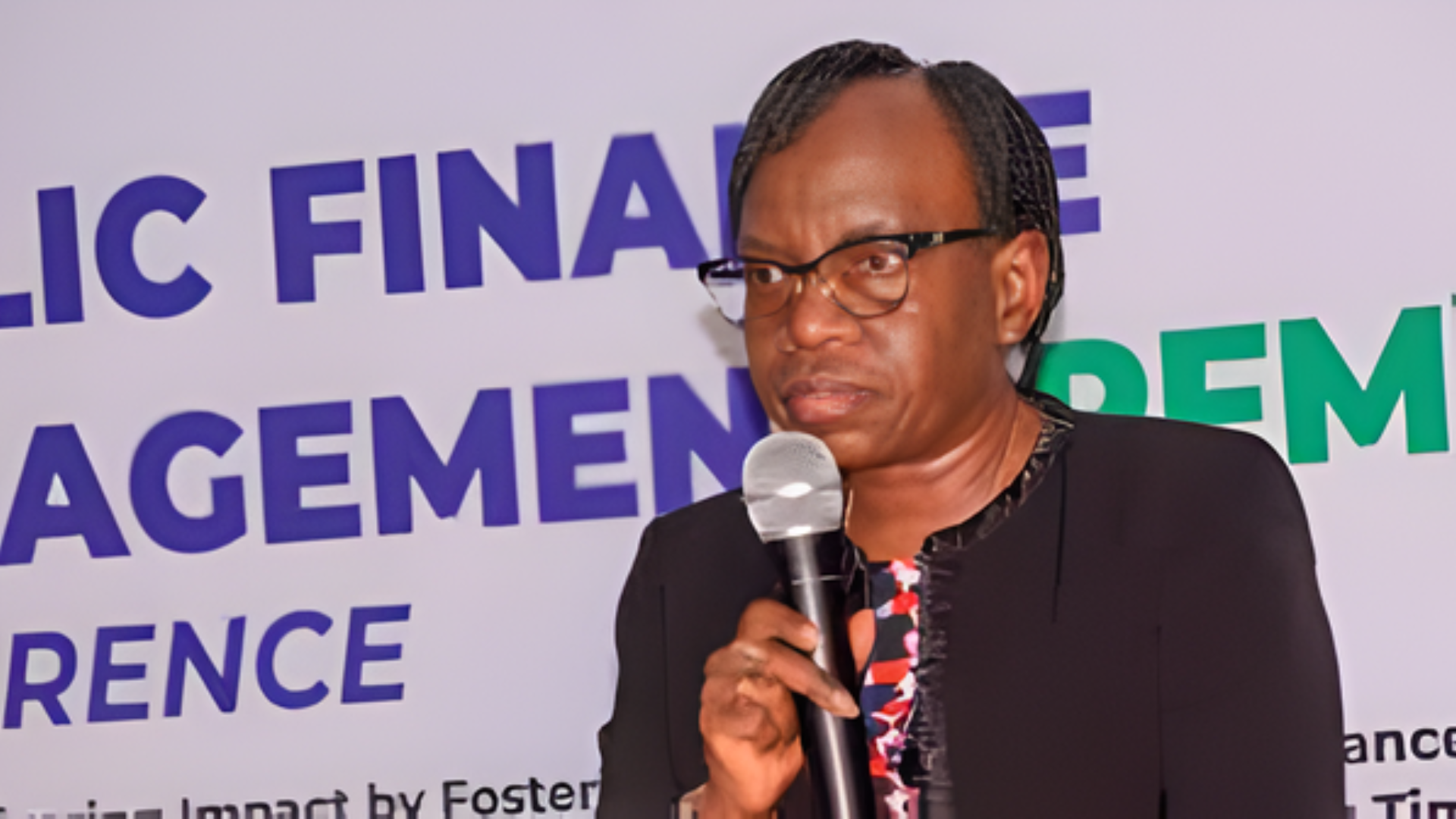
In her latest report tabled in Parliament, Nancy Gathungu highlighted that multiple public universities operate on land without valid title deeds, lease agreements or proper transfer documents, leaving the institutions vulnerable to claims by private individuals, former owners or speculators. The affected land includes prime parcels used for campuses, student hostels, staff quarters, farms and research stations.
The report identifies at least eight universities where ownership records are either missing, incomplete or disputed. In some cases, land was allocated decades ago by the government but never formally transferred through the Lands Ministry. In others, universities expanded onto adjacent parcels without securing legal titles, relying instead on informal occupation or handshake agreements with local authorities. Gathungu noted that the absence of documentation has already led to encroachments, illegal subdivisions and court cases challenging university ownership.
“Public universities hold land in trust for the nation and future generations of students,” Gathungu stated in the report. “The lack of secure title deeds exposes these assets to grabbing, fraudulent sales and long-running legal disputes that drain public resources. The value at risk exceeds Sh20 billion based on current market rates, and the figure could rise with urban expansion.”
The Auditor General singled out several high-value cases. One university in Nairobi region occupies a 150-acre parcel originally donated for educational purposes in the 1970s, but no title deed was ever issued or registered. Another institution in Western Kenya expanded its campus onto neighbouring land without acquiring a lease or conducting a survey, resulting in overlapping claims by private developers. A third university in the Coast region faces a lawsuit from a family asserting ancestral ownership over 80 acres currently used for student accommodation and a dairy farm.
Gathungu criticised the Universities Fund and individual institutions for failing to prioritise land documentation during expansion drives. “Many universities focused on constructing buildings while neglecting the most basic safeguard—secure tenure,” she said. “This has created fertile ground for land grabbers who exploit gaps in records to forge titles or file adverse possession claims.”
The report recommends urgent remedial action, including:
- Immediate survey and registration of all university land parcels
- Issuance of title deeds or long-term leases by the Lands Ministry
- Establishment of a dedicated land registry unit within the Universities Fund
- Recovery of encroached land through legal processes
- Criminal investigations into suspected fraudulent dealings involving university officials or private colluders
Education Cabinet Secretary Ezekiel Machogu acknowledged the findings and promised swift corrective measures. “We take this report very seriously,” Machogu said. “Public universities are national assets, and their land must be protected. We are already working with the Lands Ministry to fast-track titling for all institutions and will recover any illegally acquired parcels.”
The Kenya Universities and Colleges Central Placement Service and the Commission for University Education have been directed to support the process by verifying land ownership before approving new campuses or expansions. University vice chancellors have been instructed to submit land inventory reports within 90 days, including copies of any existing titles, leases or allocation letters.
The revelations have sparked concern among students, alumni and education stakeholders. A student leader from one affected university said: “We study on land that could be grabbed tomorrow because someone forgot to get a title deed. This is negligence at the highest level.”
Civil society organisations called for independent forensic audits. Transparency International Kenya Executive Director Sheila Masiga said: “Sh20 billion worth of public land at risk is not a small matter. We demand full disclosure of which universities are affected and what steps are being taken to safeguard these assets from further grabbing.”
The report also flagged cases where universities have leased land to private entities without proper authorisation or revenue-sharing agreements, leading to loss of control over portions of campus property. In one instance, a university allowed a private developer to build commercial structures on land earmarked for student hostels, with no formal lease agreement or rental income remitted to the institution.
As Parliament prepares to debate the Auditor General’s findings, pressure is mounting on the government to act decisively. The Public Investments Committee has summoned officials from the Universities Fund, the Lands Ministry and affected institutions to explain the lapses and outline recovery plans.
The Sh20 billion figure represents conservative market valuations; actual losses could be higher if disputed land is lost permanently through adverse possession or court rulings. With Kenya’s public universities already facing funding shortfalls, the potential loss of prime land assets would further strain their ability to deliver quality education and research.
The Auditor General has warned that failure to secure titles quickly could lead to irreversible damage to the higher education sector. “Land is the foundation of these institutions,” Gathungu stated. “Without secure ownership, their long-term stability and growth are at risk.”