 Diana Muthini
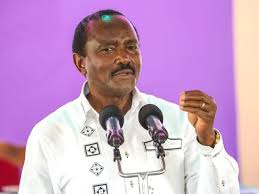
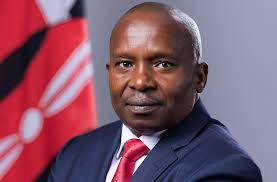
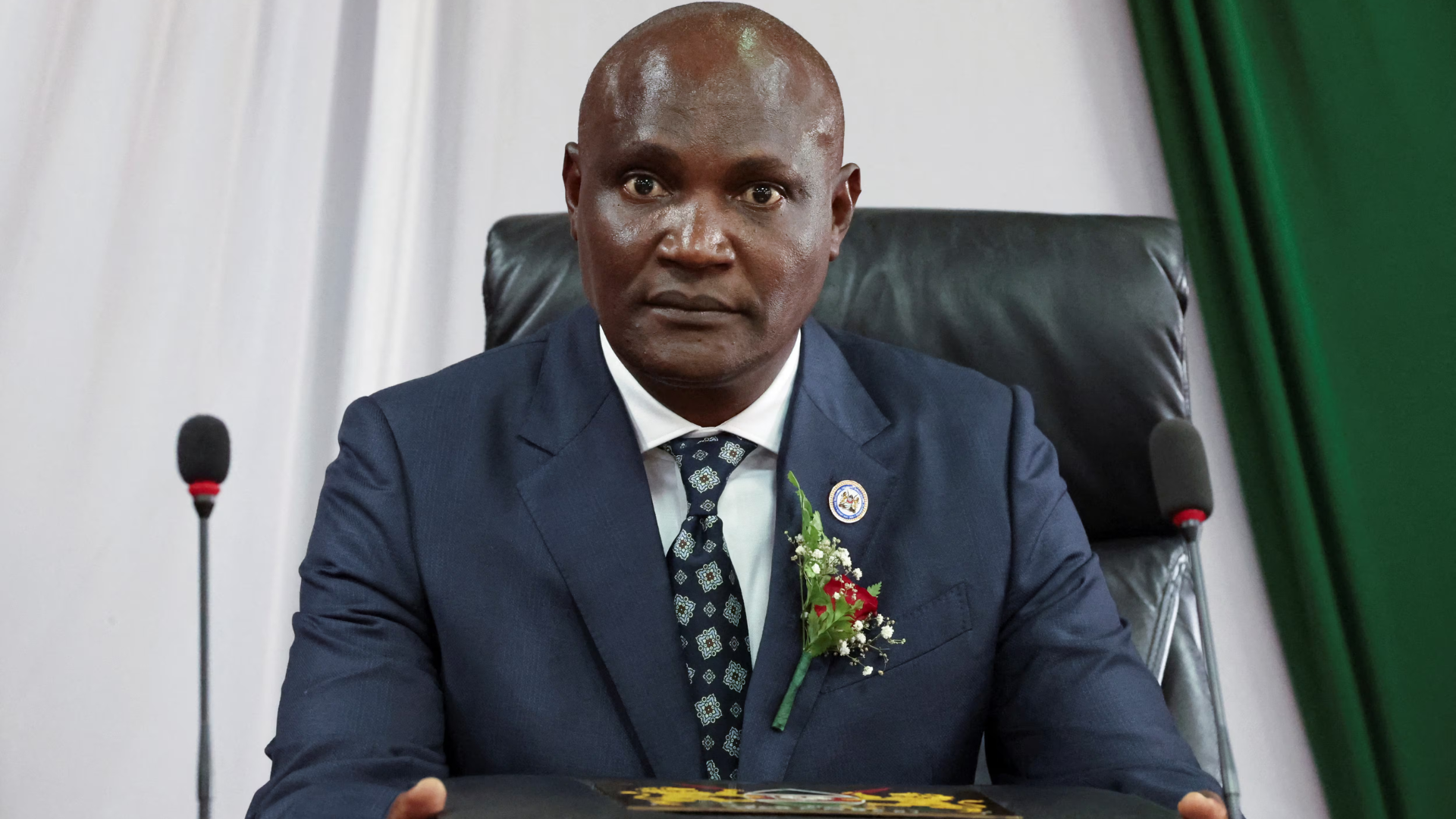
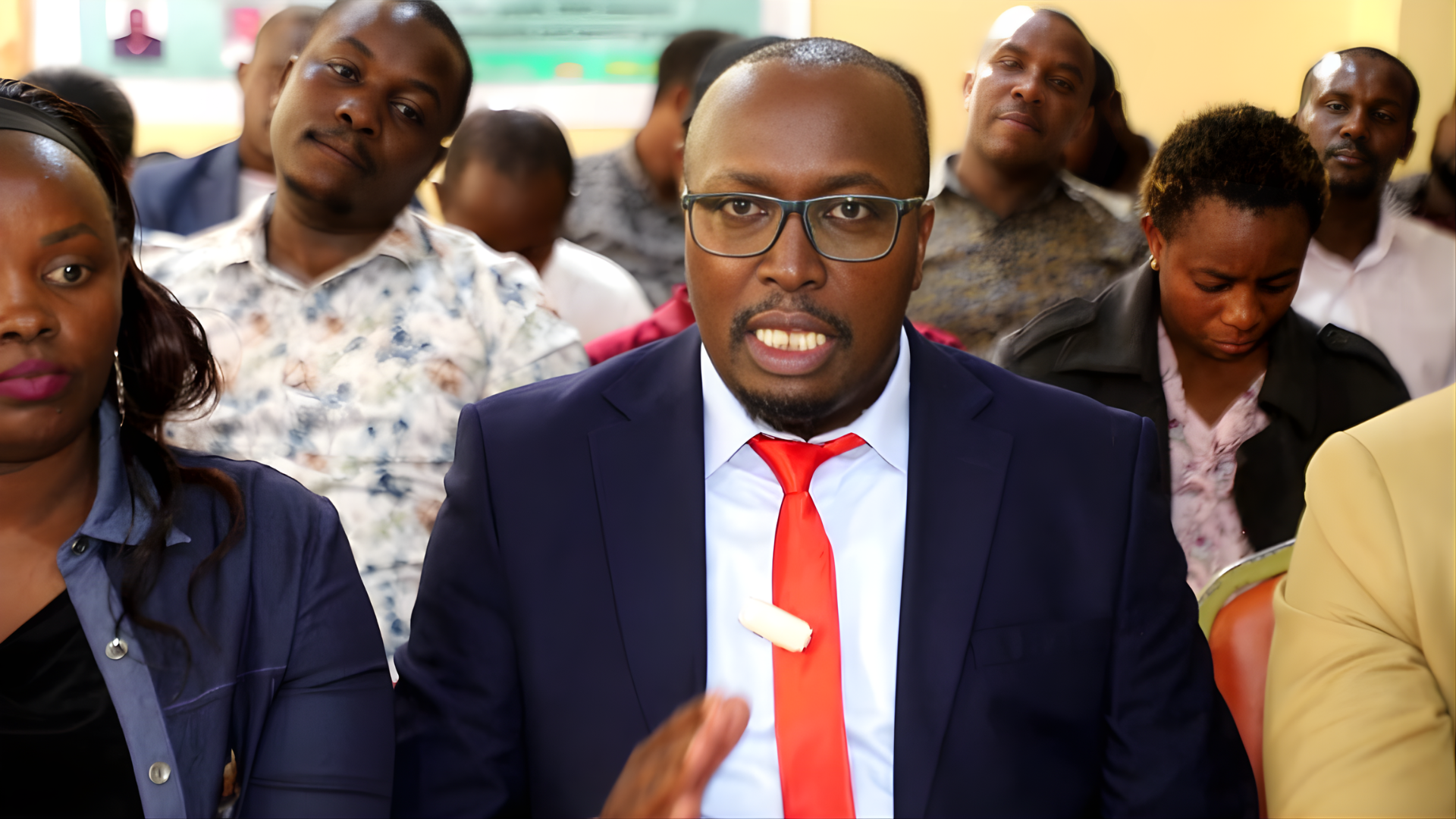
NAIROBI, Kenya — In a bold call to action, veteran politician Arap Kirwa has urged Kenya’s opposition parties to unite in a decisive strategy aimed at delivering a “60 percent rejection vote” against President William Ruto in the 2027 General Election. Kirwa argues that a fragmented opposition will only strengthen the ruling administration, while a cohesive front could significantly alter the country’s political trajectory.
Speaking during a public forum, Kirwa emphasized that the next election should be treated not merely as a contest of parties, but as a referendum on governance, economic policies, and public accountability. “The Kenyan people deserve leadership that listens and delivers. If the opposition is divided, it hands victory to the incumbents. But if we organize, coordinate, and present a united vision, we can achieve a decisive rejection vote,” Kirwa said.
Kenya’s political landscape has long been shaped by coalition-building. From the historic alliances that brought the country to multiparty democracy to the more recent pacts that shaped the 2013 and 2017 elections, the power of unified opposition has proven decisive. Analysts note that fragmented opposition efforts in the past have often resulted in narrow victories for incumbents, even amid widespread public dissatisfaction.
“The 2027 elections are not just about personalities; they are about the future of Kenya,” Kirwa added. “We must ensure that every vote counts, and that those votes reflect a demand for accountable and responsive leadership.”
The call for unity comes amid a period of intense political realignments. The ruling United Democratic Alliance (UDA) remains confident in its grassroots structures and national appeal, pointing to achievements in infrastructure, economic recovery, and social programs as a foundation for re-election. However, opposition figures, particularly within the Azimio la Umoja coalition, are increasingly framing the 2027 elections as a referendum on perceived gaps in governance and the cost of living crisis that has affected millions of Kenyans.
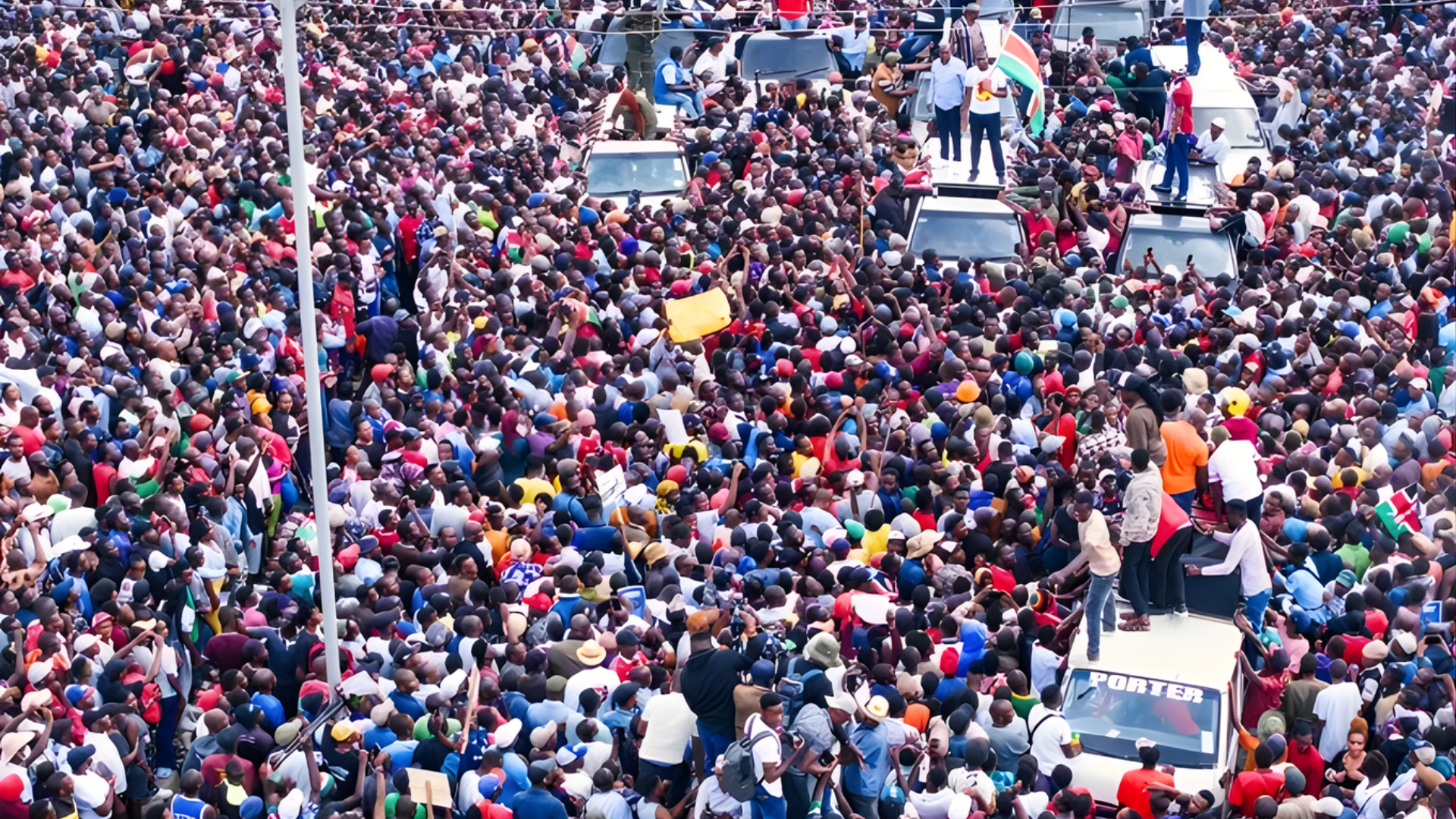
Political analysts say that the “60 percent rejection” target outlined by Kirwa is symbolic, representing a strategic goal to consolidate voter turnout and protest votes. Achieving this would require broad cooperation across party lines, including outreach to youth, urban dwellers, and undecided voters in key regions such as Nairobi, Kisumu, and Mombasa.
Veteran opposition leader Raila Odinga has long championed coalition politics, but internal rivalries and regional interests remain persistent hurdles. Kirwa’s statement is therefore seen as an effort to galvanize disparate groups around a shared objective, emphasizing that unity is not merely tactical, but essential for political relevance in 2027.
Observers also note that Kirwa’s call signals a shift in messaging strategy. Instead of focusing solely on policy proposals or party manifestos, opposition leaders are framing the election as a moral and political judgment on the current government’s record. This approach could energize voters dissatisfied with governance, inflation, and youth unemployment, while also appealing to middle-class urban populations increasingly vocal on social and economic issues.
Political commentators suggest that the coming months will be critical for negotiations over candidate selection, coalition structures, and policy alignment. How opposition parties manage to reconcile regional ambitions and leadership ambitions may ultimately determine whether Kirwa’s envisioned “60 percent rejection vote” becomes a realistic target or remains aspirational rhetoric.
As Kenya approaches the 2027 General Election, the stakes have never been higher. Kirwa’s call for unity reflects both the challenges and the opportunities facing opposition politics: the need to bridge historical divisions, engage voters meaningfully, and present a credible alternative to the electorate. The question now is whether Kenya’s opposition can translate rhetoric into a winning strategy — and, in doing so, shape the country’s political future.