 Diana Muthini
In a deeply emotional yet culturally rich event that has captured public attention, Nevnina Omondi, the widow of the late Albert Ojwang, has formally entered into a new marriage through a traditional ceremony held months after her husband’s passing. The ceremony, marked by vibrant customs and symbolic rituals, brought together families, elders, and community members in a moment that signified both closure and a fresh beginning.
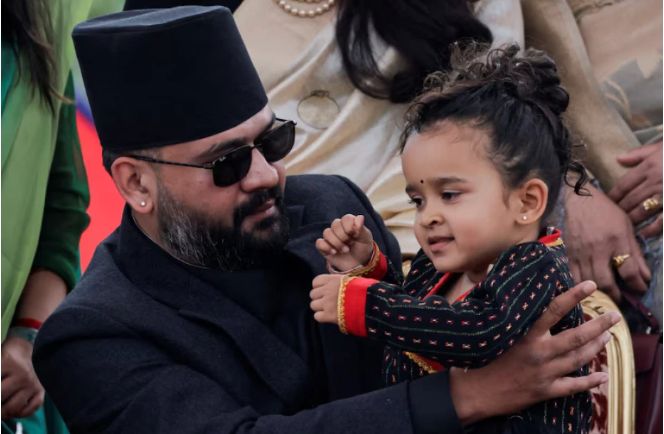
The traditional wedding took place over the weekend in a colorful setting filled with song, dance, and cultural pride. Guests dressed in elegant African attire gathered to witness the union, while elders from both families presided over the proceedings, ensuring that all customs were observed. At the center of the ceremony was the full payment of dowry, a significant cultural practice that represents respect, unity, and formal recognition of the marriage.
In many Kenyan communities, dowry is not merely a transaction but a deeply meaningful process that binds families together. The completion of this process in Nevnina’s case was seen as a sign of acceptance and blessing from both sides, including the family of her late husband. Their involvement in the ceremony added a powerful layer of symbolism, as it reflected acknowledgment, reconciliation, and a sense of closure following the loss of Albert Ojwang.
For Nevnina, the journey to this moment has not been easy. The death of a spouse often leaves a lasting emotional impact, and the period that follows is usually marked by grief, reflection, and adjustment. Her decision to remarry within months has sparked widespread discussion, with opinions divided across social and cultural lines. While some individuals have questioned the timing, others have strongly supported her right to rebuild her life at her own pace.
Experts and cultural observers point out that widow remarriage is not a new concept in African traditions. In some communities, it has historically been encouraged as a way of ensuring social stability and continuity for the widow and her family. However, in modern society, such decisions are increasingly viewed through the lens of personal choice rather than cultural obligation. Nevnina’s remarriage therefore reflects a blend of tradition and modern independence, where cultural practices are honored but individual agency is also respected.
The ceremony itself was a celebration of life and renewal. Traditional songs echoed through the venue as dancers performed, creating an atmosphere that was both joyful and reflective. Elders offered blessings to the couple, emphasizing the importance of unity, respect, and mutual support in marriage. The rituals conducted during the ceremony highlighted the depth and beauty of Kenyan cultural heritage, reminding attendees of the enduring value of tradition even in changing times.
One of the most talked-about aspects of the event has been the presence and apparent support of Ojwang’s family. In many cases, remarriage after the loss of a spouse can lead to tension or misunderstanding between families. However, their participation in this ceremony signaled acceptance and may help set a positive example for how families can navigate such transitions with dignity and understanding.
Online platforms have been filled with reactions since news of the ceremony emerged. Some users have congratulated Nevnina, describing her as strong and courageous for choosing to move forward with her life. Others have expressed concern or criticism, arguing that more time should have passed before remarrying. These mixed reactions highlight the complex nature of grief and societal expectations, showing that there is no single “correct” way to heal or move on.
Religious and social leaders have also weighed in on the matter, with many emphasizing the importance of compassion and respect for personal decisions. They note that grief is a deeply personal experience and that individuals should not be judged for how they choose to cope with loss. In this context, Nevnina’s remarriage can be seen not as a disregard for her late husband, but as a step toward healing and building a new future.
The story has also reignited broader conversations about the place of widows in society. Historically, widows in some cultures have faced stigma, restrictions, or expectations that limit their freedom. However, stories like Nevnina’s reflect a gradual shift toward empowerment, where women are increasingly able to make choices that best suit their lives and well-being.
As the dust settles and discussions continue, one thing remains clear: the ceremony was more than just a marriage. It was a moment that brought together past and future, tradition and change, grief and hope. For Nevnina Omondi, it marked the beginning of a new chapter—one that honors her past while embracing the possibilities ahead.
Her story serves as a reminder that life, even after loss, continues. It is a testament to resilience, cultural identity, and the human capacity to heal and find happiness again.