 Faith Masita
What began as a session on digital advertising at Domain Summit Africa 2026 evolved quickly into a broader conversation about Africa’s digital identity, its place in the global internet economy, and who ultimately controls visibility online.
The two-day summit held at the Villa Rosa Kempinski in Nairobi and hosted by KeNIC alongside global partners brought together domain operators, registry leaders, technology founders, analysts, and ecosystem builders from across the continent and beyond, all under one roof.Among the early sessions, discussions around digital advertising, algorithms and the role of Google drew particular attention.
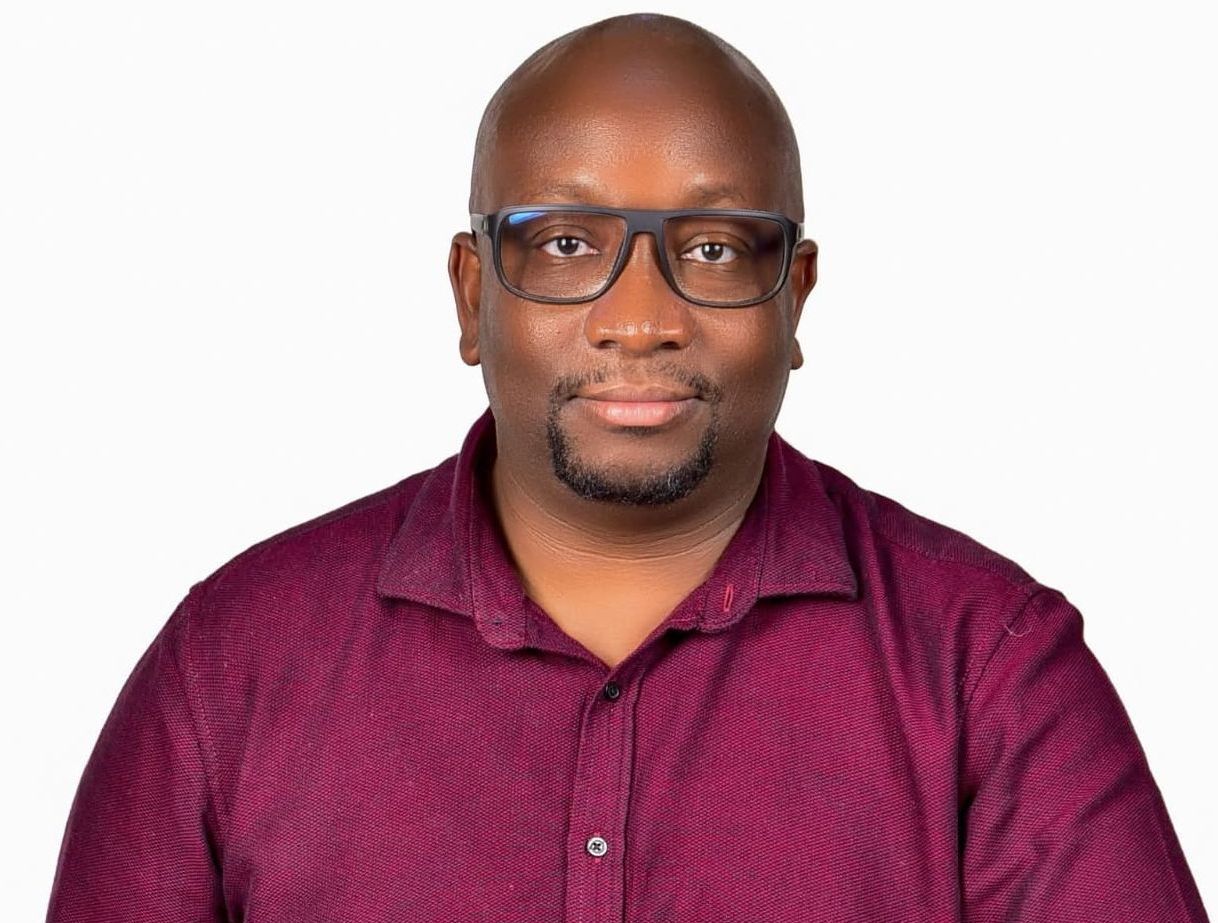
“This isn’t just about clicks,” said Gitau Muraguri, CMO of KeNIC, during a panel on digital strategy. “Advertising now shapes who gets seen, who gets heard, and ultimately, who can participate in the modern African digital economy.”
His comments resonated: Africa’s internet population is growing rapidly, and search behaviour increasingly dictates commercial opportunities. In this landscape, paid discovery dominated by platforms like Google is not just marketing; it’s a gateway to attention.
Advertising, at the summit, was framed less as a tool and more as a lever of influence.
“Advertising is no longer about visibility,” said Helmuts Meskonis, Founder of Domain Summit, in his welcome remarks.
“It’s about being present before the customer even knows they are searching.”
That view was echoed by digital entrepreneurs in the audience: for many small businesses across the continent, search advertising has become a lifeline. One young founder, speaking during the Q&A, shared:
“Google didn’t build my business. But it gave me a voice when I couldn’t afford a billboard.”
Yet not all reactions were celebratory. Several speakers highlighted a deeper structural concern: reliance on external platforms for reach may undercut regional autonomy over digital markets.
“Africa needs more digital ownership,” stated Lucky Masilela, CEO of Registry.Africa, during his keynote on African internet infrastructure. “Platforms shouldn’t define our trajectory we should.”
Sessions featuring domain industry leaders such as Bob Ochieng-PMP (Senior Director, ngTLD Program, ICANN) and Mark Botros (Co-Founder, Tyto Insights) turned this narrative toward tangible digital assets: domain names.
“Google rents attention,” Botros said during a panel on domain data analytics. “Domains build legacy.”
This distinction between platforms that drive traffic and the underlying digital real estate that defines identity became a strategic thread. While search engines change algorithms daily, domain ownership is permanent: a point stressed repeatedly throughout the summit.
The summit also features perspectives from Sara Rego (VP Commercial, Team Internet), Filip Borcov (CEO, Site.Pro), and regional stakeholders such as Grace Ingabire (CEO, Rwanda Internet Community and Technology Alliance) whose contributions highlighted the intersection of local capability and global ecosystems.
Investment in local infrastructure, strategic domain ownership, and data autonomy emerged as recurring themes.
“Advertising can accelerate growth,” summed up one panelist. “But ownership secures it.”In a room full of domain investors, registry operators, and entrepreneurs,the future seems to be bright.