 Faith Masita
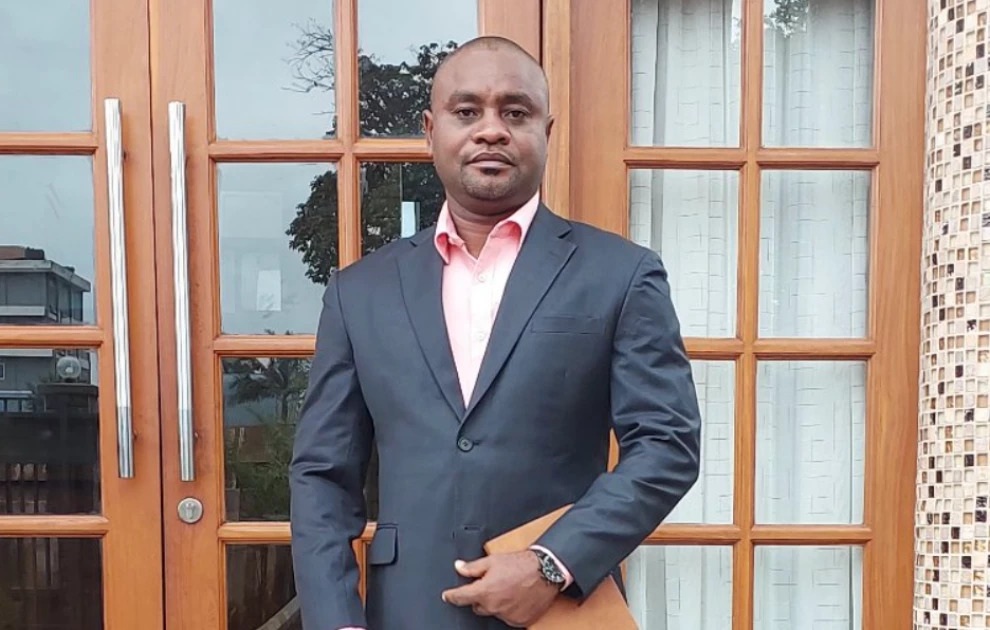
Human rights activist Mwabili Mwagodi was released on a Sh500,000 personal bond Wednesday, pending investigations into alleged publication of false information targeting government leadership.
Mwagodi was arrested at Lunga Lunga border on February 16 while attempting to travel to Tanzania. Authorities claim he posted misleading content on between January 2 and 8, 2025, that allegedly sought to undermine government officials. He was initially detained at Lunga Lunga Police Post, then transferred to Mombasa Port Police Station, before being arraigned at Milimani Law Courts in Nairobi.
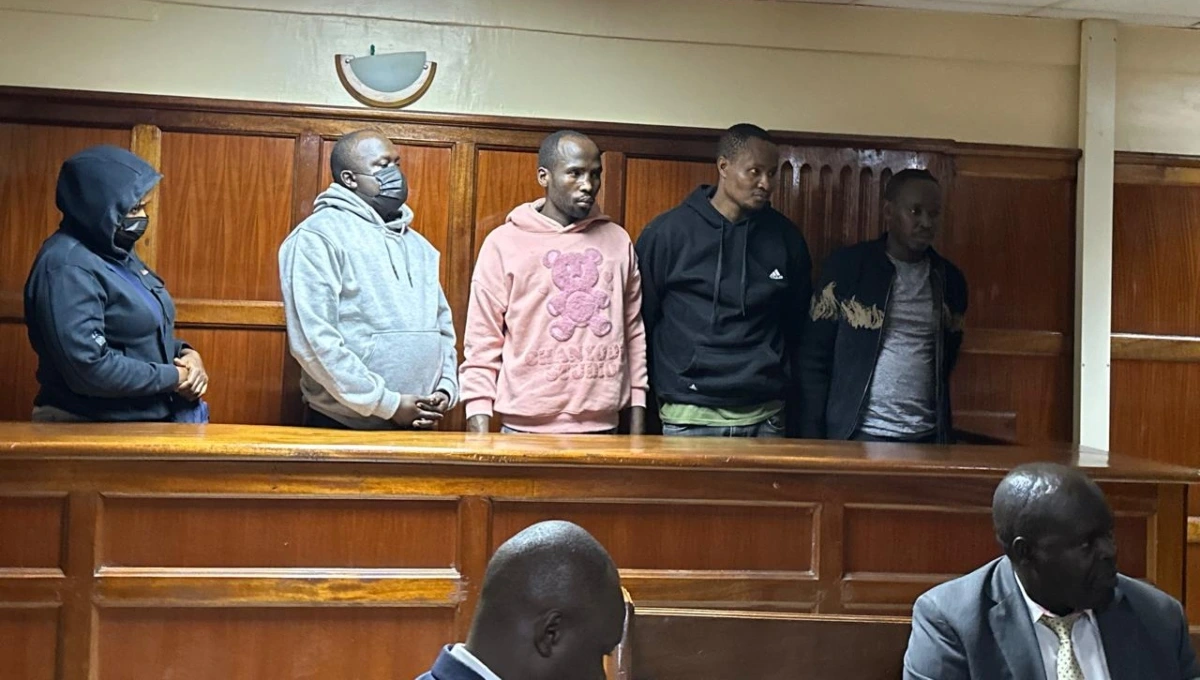
During the hearing, the prosecution requested extended detention to allow forensic analysis of Mwagodi’s phone, but Magistrate Teresiah Nuagena rejected the request, citing that the key evidence was already in police custody. Mwagodi was ordered to surrender his passport and report daily to the Directorate of Criminal Investigations (DCI). The case will return to court for mention on March 3, 2026.
“We question why my son has been targeted when others post far harsher content online without consequence,” said Jaslina Mwagodi, his mother.
Rights groups and civil society organizations have criticized the arrest as heavy-handed and a potential violation of constitutional freedoms. Activists warn that it signals a broader crackdown on digital dissent, particularly in the lead-up to Kenya’s 2027 general election.
“This case highlights the growing tension between freedom of expression and state surveillance. Citizens must be allowed to hold leaders accountable without fear of criminal sanction,” said a spokesperson for Vocal Africa, a human rights advocacy group.
The arrest and ongoing probe have reignited debate over how far the government can police online speech in Kenya, particularly amid rising concerns over digital rights, social media regulation, and political activism.
Mwagodi was arrested at Lunga Lunga border on February 16 while attempting to travel to Tanzania. Authorities claim he posted misleading content on between January 2 and 8, 2025, that allegedly sought to undermine government officials. He was initially detained at Lunga Lunga Police Post, then transferred to Mombasa Port Police Station, before being arraigned at Milimani Law Courts in Nairobi.
During the hearing, the prosecution requested extended detention to allow forensic analysis of Mwagodi’s phone, but Magistrate Teresiah Nuagena rejected the request, citing that the key evidence was already in police custody. Mwagodi was ordered to surrender his passport and report daily to the Directorate of Criminal Investigations (DCI). The case will return to court for mention on March 3, 2026.
“We question why my son has been targeted when others post far harsher content online without consequence,” said Jaslina Mwagodi, his mother.
Rights groups and civil society organizations have criticized the arrest as heavy-handed and a potential violation of constitutional freedoms. Activists warn that it signals a broader crackdown on digital dissent, particularly in the lead-up to Kenya’s 2027 general election.
“This case highlights the growing tension between freedom of expression and state surveillance. Citizens must be allowed to hold leaders accountable without fear of criminal sanction,” said a spokesperson for Vocal Africa, a human rights advocacy group.
The arrest and ongoing probe have reignited debate over how far the government can police online speech in Kenya, particularly amid rising concerns over digital rights, social media regulation, and political activism.